
The access to reach it safely
A crystal fixture over a stairwell is not a job for a kitchen stool.
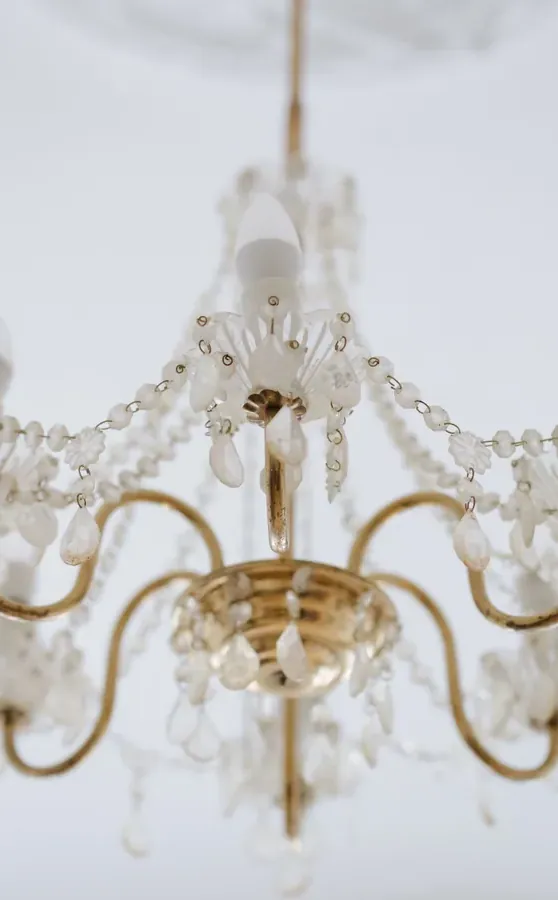
In Al Safa, where shops sit beneath flats and restaurants operate around the clock, chandeliers face a different kind of soiling. Cooking grease rises from below, mixes with the fine black dust of Prince Majid Road, and sets hard on the crystals and frame. A quick wipe from a ladder does not reach it; the chandelier must come down to be cleaned properly.
Chandeliers in Al Safa soil faster and deeper than those in quiet residential areas; surface wiping leaves a dull, sticky film that worsens before the next clean. For the method itself, see how we approach chandelier cleaning.
Cooking smoke and grease from shops and restaurants below drift upward into the flats and cling to the chandelier, especially when windows are open in summer. This oily dust layer hardens and does not respond to a quick wipe. Each crystal and part of the frame must be washed separately in warm water to dissolve the buildup.
The flats in Al Safa have dated electrical systems and ceilings of ordinary height. The wiring must be examined closely before the chandelier is lowered, and the space around it is tight, so work must be coordinated carefully so the flat remains accessible during and after.
Floors are terrazzo or old ceramic tile, polished smooth by decades of use and easily marked by water or cleaning fluid. Furniture is often old too and space is limited. The floor, curtains and surrounding furniture must be covered carefully with plastic sheeting and towels before any work begins.
Al Safa is a long-established mixed district with busy commercial ground floors and residential flats above them, worn terrazzo or older ceramic tiles on the floors, and ageing kitchens that release cooking grease into the air continuously.
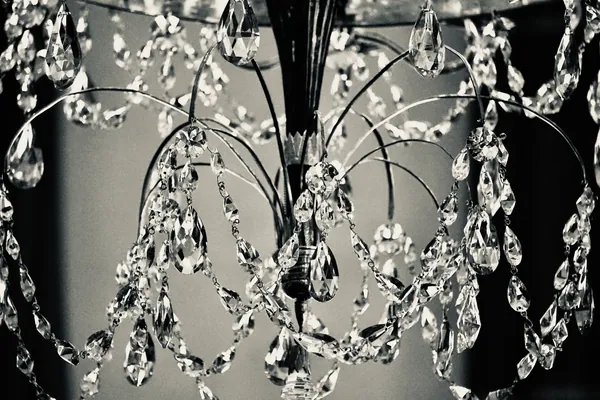
Chandeliers in Al Safa vary widely: some have genuine crystal, others use metal or coated glass, and a few are mixed. We inspect first to know which cleaning method is safe for each material.
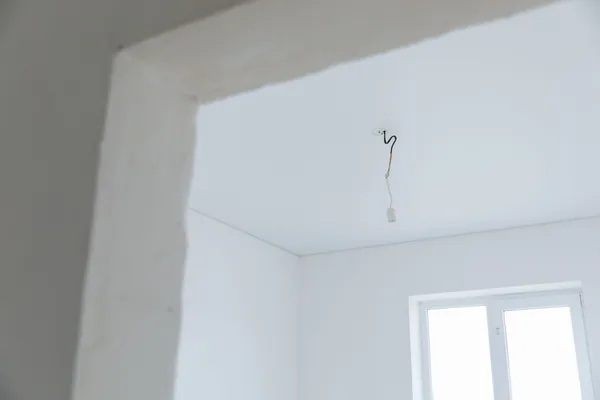
Before work begins, the main electrical switch is turned off and we verify there is no power with a proper testing tool, then we wait a moment for any residual charge to clear.
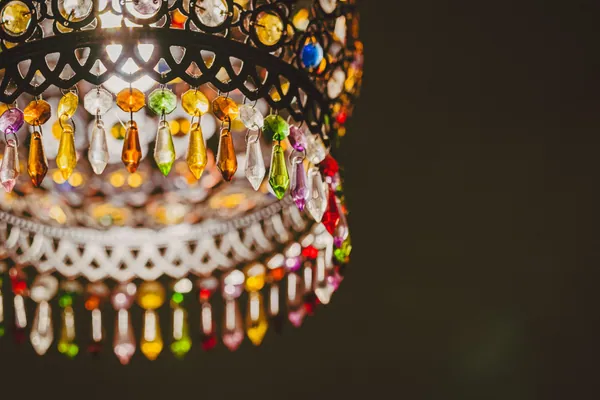
We photograph each chandelier on a mobile phone before removing even one piece, so we can see exactly how it was hung, how the wires ran, and where each crystal and arm belongs.
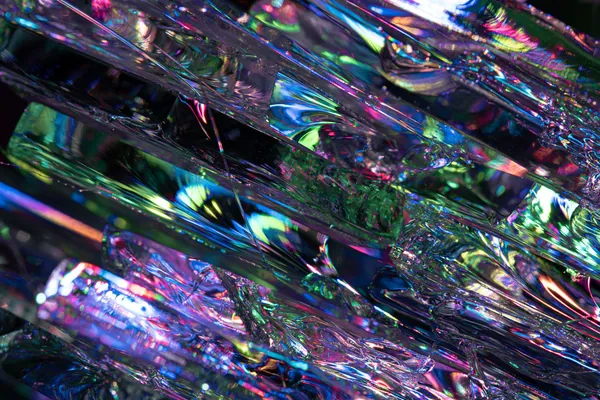
Each part is washed separately in warm water with a gentle, appropriate cleaner, with crystals and metalwork kept apart so nothing is scratched or damaged.
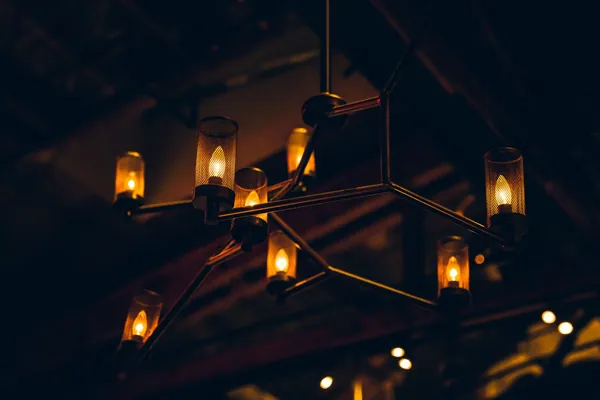
The metal frame and the spaces between the arms are cleaned with a soft brush and cloth, and any surface rust or tarnish is gently removed.
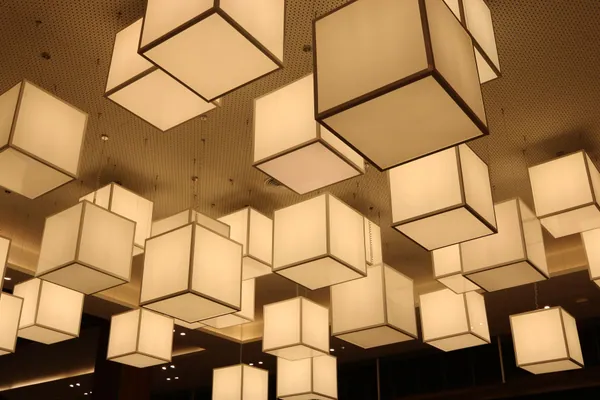
After everything is completely dry, the chandelier is reassembled step by step in the original arrangement, the power is restored, and we switch it on to verify it works and looks bright.
The circuit is switched off before anything is touched, and warm bulbs are given time to cool.
We check how it is built, which crystals are loose, and how it comes apart before removing a thing.
The area under the fixture is covered before we start, so a dropped crystal lands soft and nothing marks the floor or table below.
Where the piece allows, crystals come off and are washed and dried individually.
With the crystals off or aside, the frame, arms, bulb holders and ceiling mount are wiped down, since that is where film and webs hide behind the glass.
Every crystal goes back to its place, the fixture is switched on and checked, and we walk the room with you.
Mixed district: shops at street level with homes above them
In a mixed district where shops operate below homes, chandeliers face heavier pollution from cooking and street dust than in purely residential areas. This means cleaning must go deeper and cycles must be shorter. We account for this higher soiling load from the first visit.
A crystal fixture over a stairwell is not a job for a kitchen stool.
We send a team, not one person, so crystals come off, get washed and go back in one visit, without a lone worker hurrying a fragile piece to finish before dark.
Whether crystals come off or are cleaned in place depends on how the fixture is built.
Nothing is done until the fixture is back together, switched on, and you have seen it throw its light.
Photographs from real jobs carried out by the crew.












The commitment is simple enough to actually keep: we do not leave until the fixture is reassembled, lit, and you have seen it for yourself.
Central Jeddah is the old heart of the city: Al Balad with its coral stone houses, and the dense apartment quarters around it with shops beneath the flats. Floors here are often terrazzo or older ceramic tile, worn smooth and easily stained by cooking grease that drifts up from the street. Older kitchens and bathrooms carry heavy scale on taps and around drains, and pipework in the older blocks leaves rust marks in basins. Rugs and curtains take on the fine black dust of the main roads, so they need washing more often than elsewhere.
We provide these in Al Safa too, and more than one can share a single visit.



