
The access to reach it safely
A crystal fixture over a stairwell is not a job for a kitchen stool.
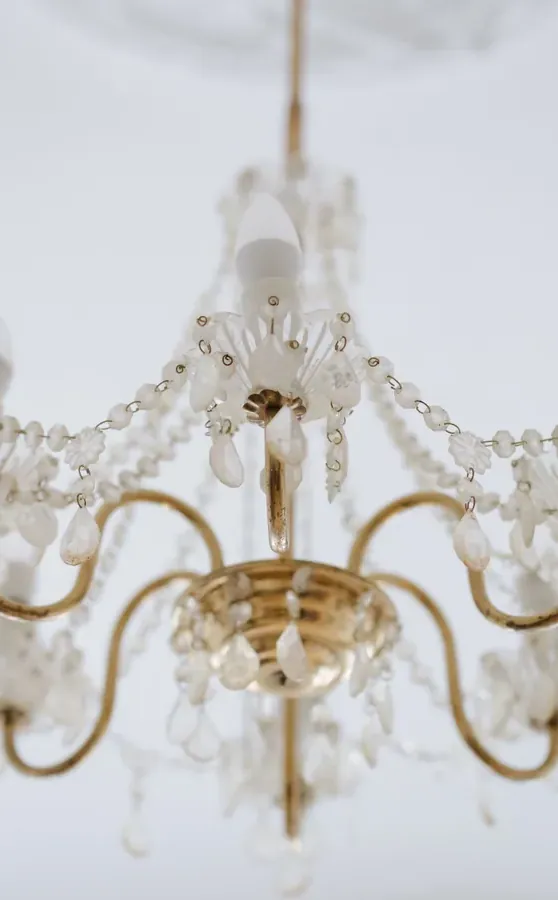
Al Nuzhah is a mixed residential district in northern Jeddah near the airport, filled with large villas and modern apartment blocks, many decorated with chandeliers of varying styles and sizes. Kitchens here are active, and nearby roads send fine dust through windows, so chandeliers dim faster than in quieter areas. A chandelier left uncleaned throws dimmer light and makes a room feel older than it is.
Chandeliers in Al Nuzhah villas need deep cleaning every six months rather than yearly: cooking oils and dust accumulate faster due to active kitchens and proximity to busy roads. For the method itself, see what chandelier cleaning involves.
Cooking vapours reach the chandelier and stick to fine dust, creating a film that dulls the light. Washing each piece in warm water with specialised soap, followed by complete rinsing, removes oil before drying and polishing.
Dust settles beneath every crystal and in the gaps between pieces and the frame. A quick house wipe does not reach these spots. Proper cleaning removes each piece, washes it separately, and brushes the spaces clean before reassembly.
Metal arms and the frame oxidise and discolour from humidity and oil vapours, dimming the overall shine. Cleaning requires metal-safe products that remove tarnish without scratching the underlying finish.
A residential district near the airport and main commercial roads. Villas and apartments here contain varied chandeliers exposed to cooking oils and dust from busy streets and active kitchens.
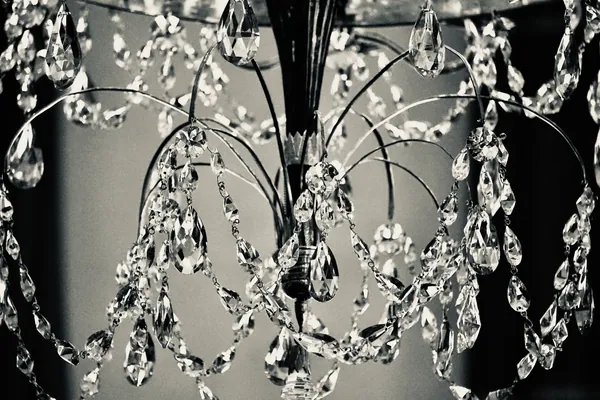
Al Nuzhah homes contain varied chandeliers: antique crystal, modern designs, different scales. Inspecting the type and mounting first determines which products are safe and how carefully the dismantling must be done.
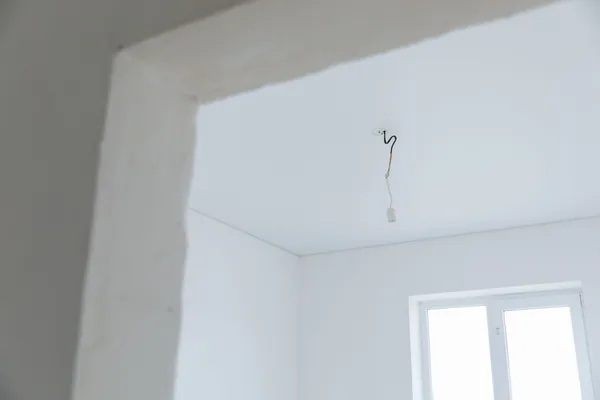
Switching off power at the main board ensures no sudden cut during disassembly, and securing the position with a safety line prevents accidental drops if the frame is fragile or corroded.
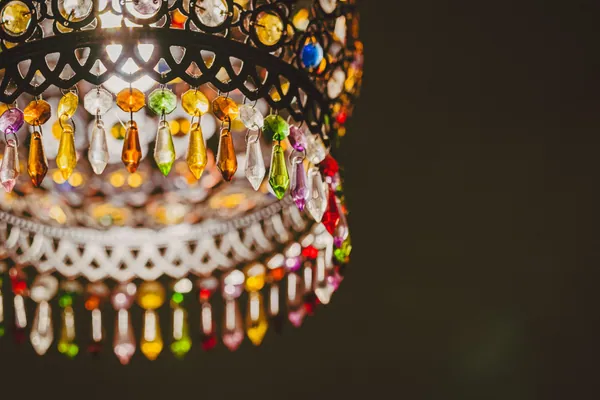
Photographing a chandelier in a dense residential district like Al Nuzhah preserves the exact layout: lights, arms and each crystal piece may be unique to its position and angle.
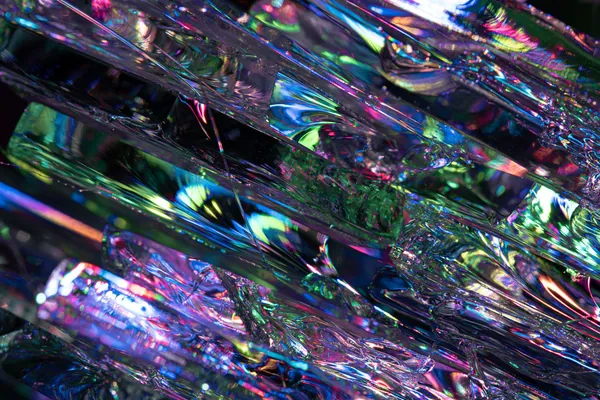
Warm water, mild soap and a soft brush clean each piece individually and rinse it completely with fresh water. Oil films need soaking time in the water before any gentle brushing.
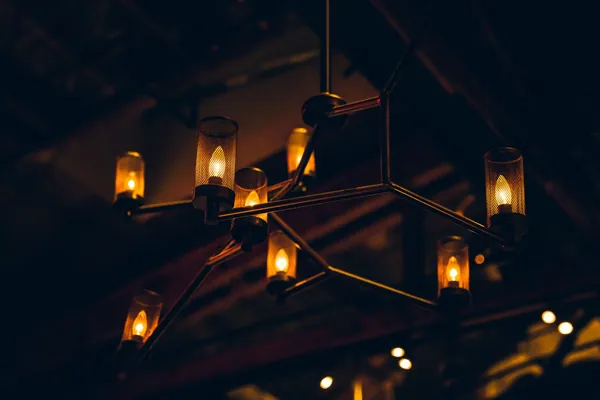
Metal arms require a specialist metal cleaner that removes black or green tarnish without scratching, and the frame is dried carefully before reassembly to avoid leaving watermarks.
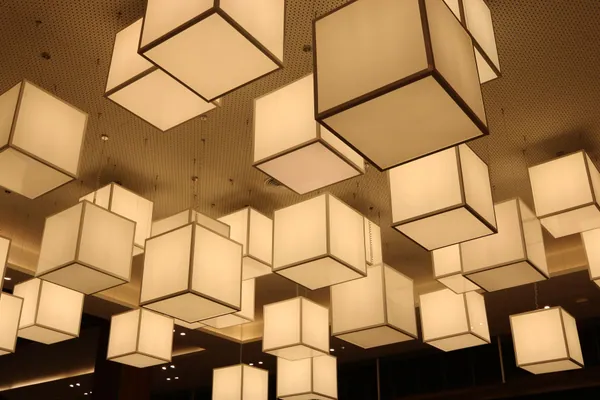
After full reassembly, testing the lights confirms every bulb works and that the chandelier now throws clear light it could not cast before the clean.
The circuit is switched off before anything is touched, and warm bulbs are given time to cool.
We check how it is built, which crystals are loose, and how it comes apart before removing a thing.
The area under the fixture is covered before we start, so a dropped crystal lands soft and nothing marks the floor or table below.
Where the piece allows, crystals come off and are washed and dried individually.
With the crystals off or aside, the frame, arms, bulb holders and ceiling mount are wiped down, since that is where film and webs hide behind the glass.
Every crystal goes back to its place, the fixture is switched on and checked, and we walk the room with you.
A crystal fixture over a stairwell is not a job for a kitchen stool.
We send a team, not one person, so crystals come off, get washed and go back in one visit, without a lone worker hurrying a fragile piece to finish before dark.
Whether crystals come off or are cleaned in place depends on how the fixture is built.
Nothing is done until the fixture is back together, switched on, and you have seen it throw its light.
Photographs from real jobs carried out by the crew.












The commitment is simple enough to actually keep: we do not leave until the fixture is reassembled, lit, and you have seen it for yourself.
Central Jeddah is the old heart of the city: Al Balad with its coral stone houses, and the dense apartment quarters around it with shops beneath the flats. Floors here are often terrazzo or older ceramic tile, worn smooth and easily stained by cooking grease that drifts up from the street. Older kitchens and bathrooms carry heavy scale on taps and around drains, and pipework in the older blocks leaves rust marks in basins. Rugs and curtains take on the fine black dust of the main roads, so they need washing more often than elsewhere.
We provide these in Al Nuzhah too, and more than one can share a single visit.



