
The access to reach it safely
A crystal fixture over a stairwell is not a job for a kitchen stool.
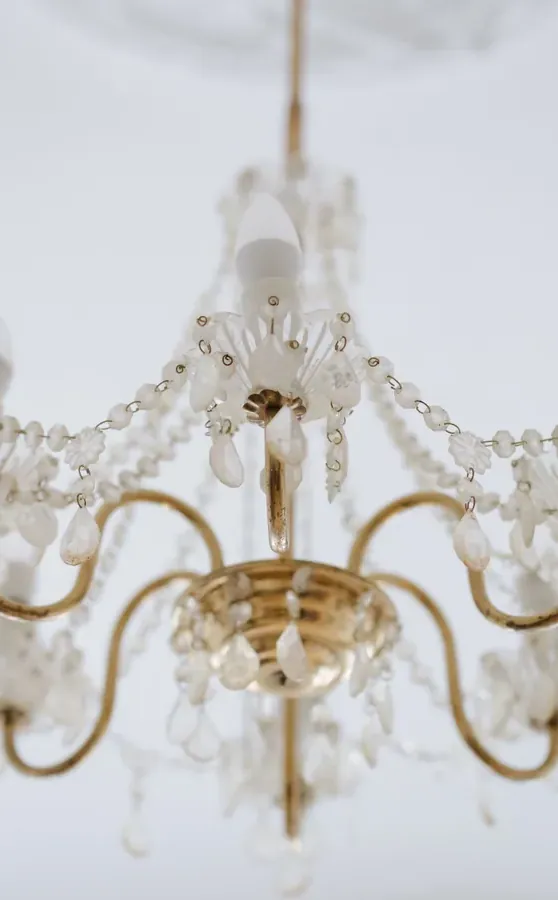
Historic Jeddah is a UNESCO World Heritage old town with stone and timber merchant houses in the roshan style dating to the fifteenth and sixteenth centuries, contained within the historic city wall. The quarter holds four ancient districts and traditional markets such as Souq Al Alawi and Souq Al Nada, as well as old mosques. Streets are narrow and buildings close-set; chandeliers here are usually antique hung in cramped high rooms, and grease and dust from the souqs below rise directly upwards throughout the day.
Chandeliers in Historic Jeddah are very antique and carry heavy layers of grease and dust. Spaces are so tight that large stepping equipment cannot fit. Wiring may be in aged condition. For the method itself, see our chandelier cleaning service in detail.
Historic Jeddah is built of very old coral stone and timber. Electrical wiring may be original or very aged. We cut power with extreme care and wait for wires to cool completely before touching anything.
Souq Al Alawi and Souq Al Nada trade daily below the flats. Grease and smoke rise directly upwards. A chandelier above the souq carries a thick grease film. Quick wiping leaves streaks and does not remove the build-up.
Lanes in Historic Jeddah are very narrow, the entry may be a single small doorway. Large ladders cannot fit. We carry small tools with extreme care.
Historic Jeddah is a UNESCO World Heritage site with a tight medieval street pattern, close-set stone buildings and shops at street level beneath the housing, with very narrow lanes and old buildings where electrical wiring may be very aged.
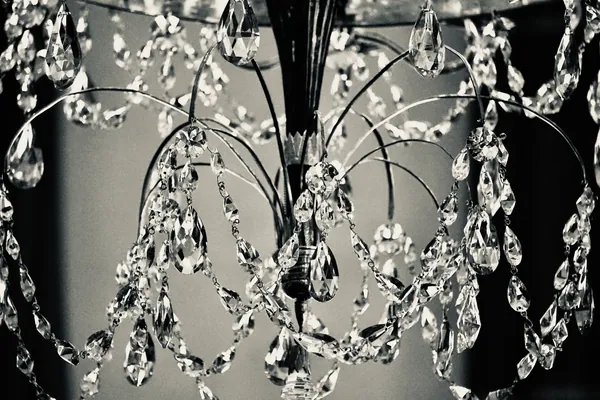
Antique chandeliers need very careful inspection from different angles. We check every mounting point and crystal before dismantling.
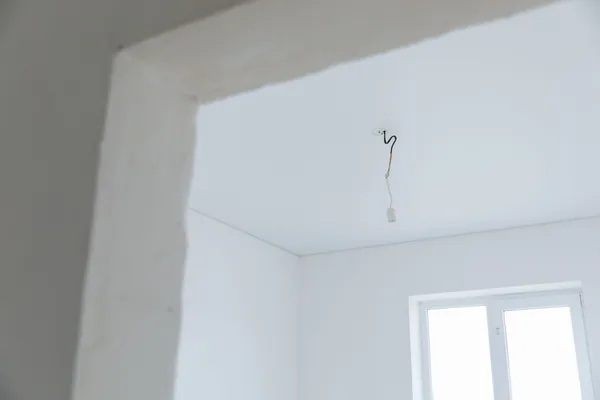
Wiring in heritage homes may be very old or original. We cut power at the main board and let wires cool completely.
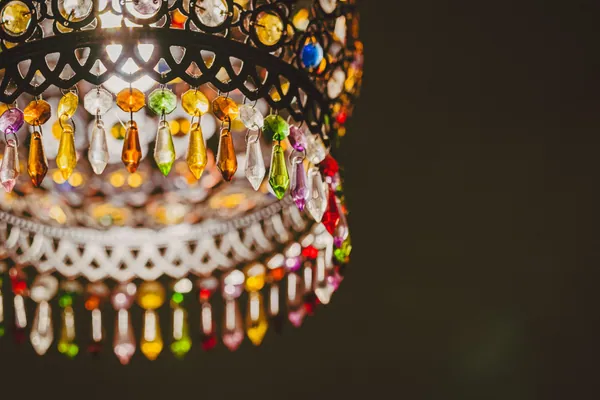
Very tight space restricts equipment choice. We photograph the layout carefully from multiple angles before dismantling.
Antique pieces are washed in very warm water with sensitive soap. We do not use hard brushes, only soft cloth.
Wooden and brass frames need very sensitive cleaning. We use only soft cloth and warm water.
Reassembly is done with extreme care, each piece returning to its original place as shown in photographs from multiple angles.
The circuit is switched off before anything is touched, and warm bulbs are given time to cool.
We check how it is built, which crystals are loose, and how it comes apart before removing a thing.
The area under the fixture is covered before we start, so a dropped crystal lands soft and nothing marks the floor or table below.
Where the piece allows, crystals come off and are washed and dried individually.
With the crystals off or aside, the frame, arms, bulb holders and ceiling mount are wiped down, since that is where film and webs hide behind the glass.
Every crystal goes back to its place, the fixture is switched on and checked, and we walk the room with you.
Historic Jeddah lies within the ancient city wall between Bab Makkah and Bab Sharif. The Al Shafi'i Mosque and Uthman ibn Affan Mosque stand at the heart of the district. We reach the flats through Souq Al Alawi and the narrow lanes circling the mosques and traditional markets.
A crystal fixture over a stairwell is not a job for a kitchen stool.
We send a team, not one person, so crystals come off, get washed and go back in one visit, without a lone worker hurrying a fragile piece to finish before dark.
Whether crystals come off or are cleaned in place depends on how the fixture is built.
Nothing is done until the fixture is back together, switched on, and you have seen it throw its light.
Photographs from real jobs carried out by the crew.












The commitment is simple enough to actually keep: we do not leave until the fixture is reassembled, lit, and you have seen it for yourself.
Central Jeddah is the old heart of the city: Al Balad with its coral stone houses, and the dense apartment quarters around it with shops beneath the flats. Floors here are often terrazzo or older ceramic tile, worn smooth and easily stained by cooking grease that drifts up from the street. Older kitchens and bathrooms carry heavy scale on taps and around drains, and pipework in the older blocks leaves rust marks in basins. Rugs and curtains take on the fine black dust of the main roads, so they need washing more often than elsewhere.
We provide these in Historic Jeddah too, and more than one can share a single visit.



