
The access to reach it safely
A crystal fixture over a stairwell is not a job for a kitchen stool.
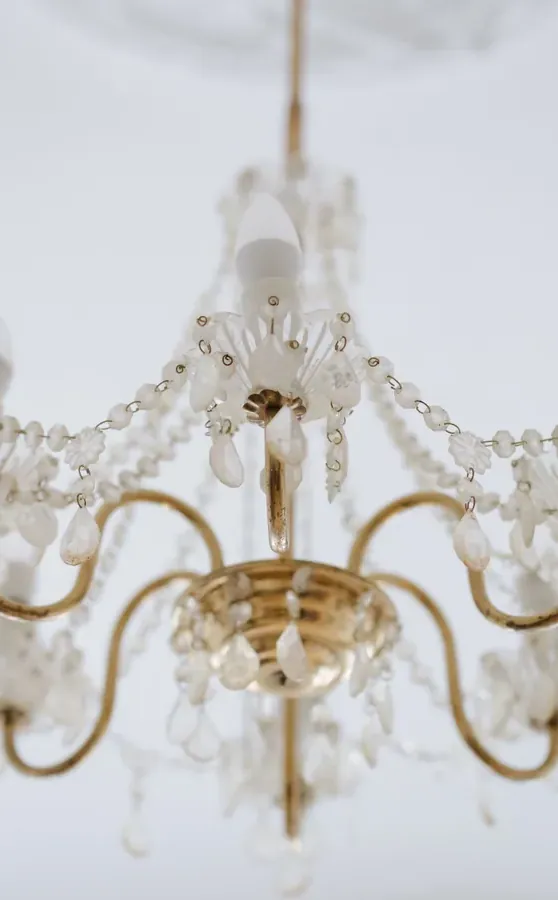
Kilo 14 sits where car repair workshops and spare parts shops mix with dense residential housing, and the dust here is darker and far more oily than anywhere else in Jeddah. The blend of diesel soot and workshop grit clings fiercely to a chandelier, so a quick wipe from below will never reach it. Every crystal and component needs to be washed separately to cut through the grease and restore the light.
The dust that settles on a chandelier here is not dry. It absorbs moisture from the sea and becomes sticky, and the diesel grease makes it resist ordinary water. For the method itself, see the full chandelier cleaning page.
Grime from the workshops and the roads mixes with coastal humidity and becomes a sticky layer that adheres to every crystal. A wipe from below cannot penetrate it. Each piece must be washed separately in warm water to dissolve and remove the grease completely, restoring the clarity of the crystal.
Cement and ceramic tile in homes here darken where soot is trodden. When cleaning a chandelier and water falls, the floor must be protected completely, and work must be careful not to smear soot across the surface and set it deeper into the tile.
The sea is close and the air carries high humidity. The metal frame of a chandelier oxidises faster here than in interior districts. Cleaning must include a detailed check of wires and connections before power is restored, because moisture and salt air attack exposed metal.
Floors in the older low-rise homes here are often plain cement or ceramic tile that blackens where soot is walked in. Humidity from the coast adds mildew in bathrooms and a musty smell in stored fabrics.
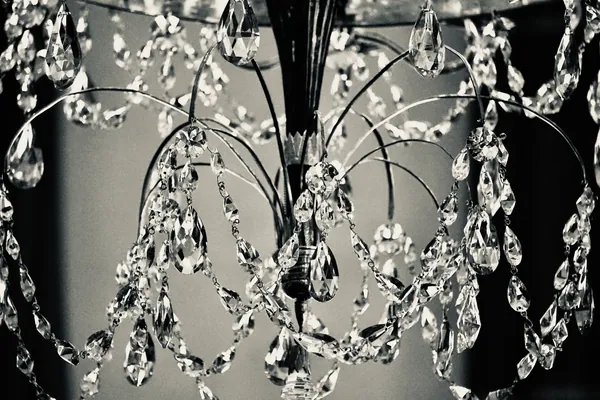
In Kilo 14, the metal frame of a chandelier often carries signs of oxidation from coastal humidity, and the crystal may have an oily film that only shows when lit from behind.
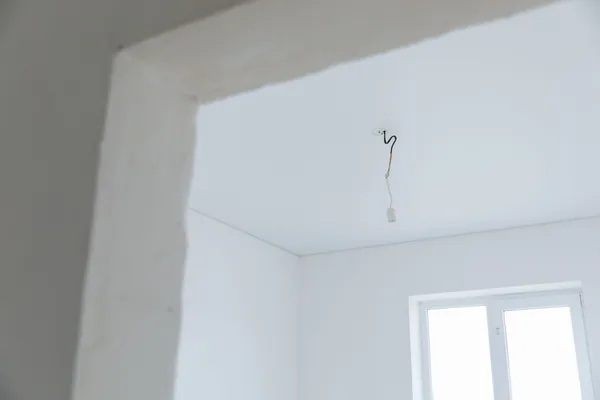
Cutting power here is critical, and we test the supply with a meter right after cutting it, because moisture may affect wiring in older homes.
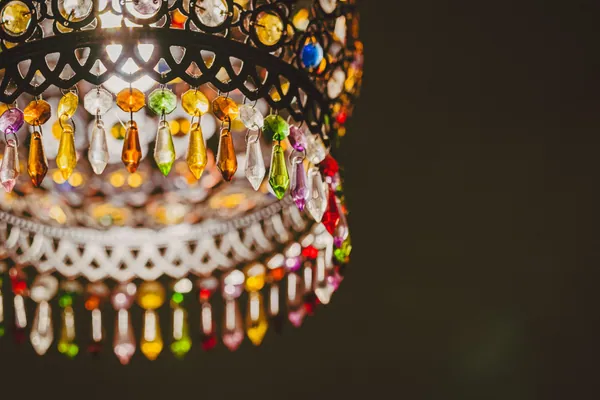
We photograph every piece and its position before dismantling, especially if the chandelier is complex with many arms, so we can return it exactly as it was.
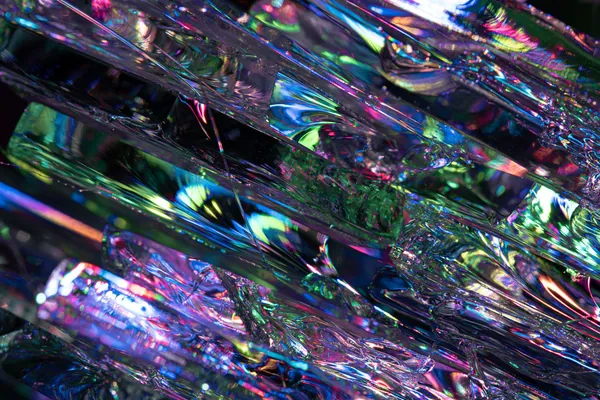
Each piece is washed separately in warm water because the grease is heavy, and the crystal may need gentle rubbing to lift the sticky layer.
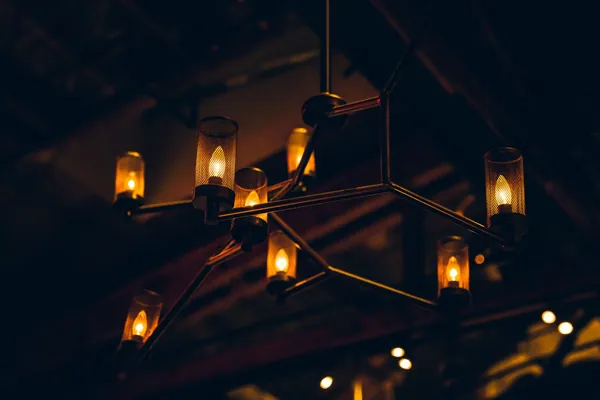
The metal frame may need special rubbing to remove surface oxidation, and wires are checked to confirm no corrosion has begun.

Before power is restored, we confirm every connection is secure, and we light the chandelier to check that every bulb works and light is distributed evenly.
The circuit is switched off before anything is touched, and warm bulbs are given time to cool.
We check how it is built, which crystals are loose, and how it comes apart before removing a thing.
The area under the fixture is covered before we start, so a dropped crystal lands soft and nothing marks the floor or table below.
Where the piece allows, crystals come off and are washed and dried individually.
With the crystals off or aside, the frame, arms, bulb holders and ceiling mount are wiped down, since that is where film and webs hide behind the glass.
Every crystal goes back to its place, the fixture is switched on and checked, and we walk the room with you.
Industrial area: workshops, warehouses and loading yards
In an industrial zone, a chandelier faces heavy oily dust from workshops and roads, and it needs a deep clean that differs from a residential home. Grease does not yield to plain water, and detailed wiring inspection is essential.
A crystal fixture over a stairwell is not a job for a kitchen stool.
We send a team, not one person, so crystals come off, get washed and go back in one visit, without a lone worker hurrying a fragile piece to finish before dark.
Whether crystals come off or are cleaned in place depends on how the fixture is built.
Nothing is done until the fixture is back together, switched on, and you have seen it throw its light.
Photographs from real jobs carried out by the crew.












The commitment is simple enough to actually keep: we do not leave until the fixture is reassembled, lit, and you have seen it for yourself.
South Jeddah runs from the port and the industrial city down towards Al Khumrah, and homes here sit between the sea and the heavy goods roads. The dust is darker and oilier than in the north, a mix of diesel soot and workshop grit, and it clings to net curtains, window sills and the tops of kitchen cupboards. Floors in the older low rise housing are often plain cement or ceramic tile that darkens where soot is walked in. Humidity from the coast adds mildew in bathrooms and a musty smell in stored fabrics.
We provide these in Kilo 14 too, and more than one can share a single visit.



