
The access to reach it safely
A crystal fixture over a stairwell is not a job for a kitchen stool.
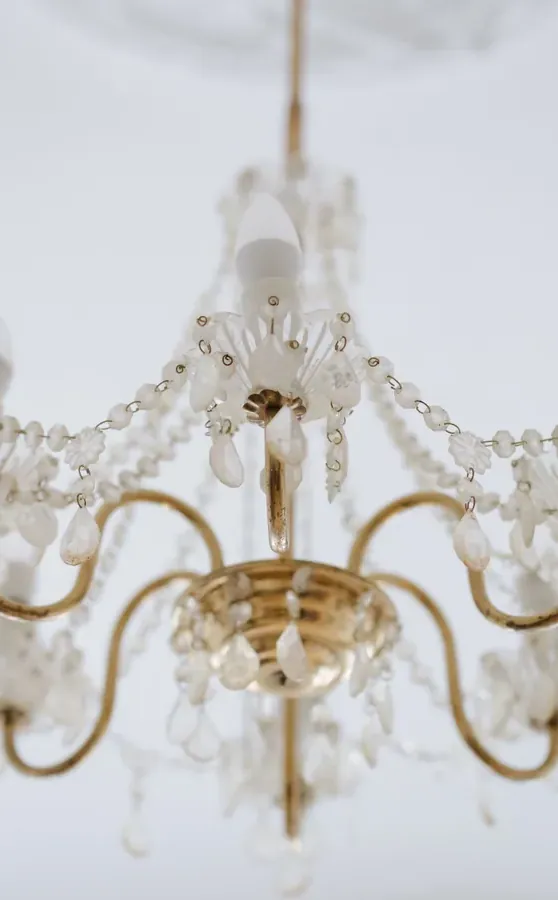
Al Gharbiyah is a new district in north Jeddah surrounded by active building sites and vacant land, and chandeliers here face fine sand and construction dust from the movement around undeveloped plots. Cleaning demands care to remove fine sand grains from each piece without scratching the crystal.
Fine sand penetrates every gap and newly sealed windows may not close properly, and chandeliers collect it faster than in completed neighbourhoods. For the method itself, see how we approach chandelier cleaning.
Dust from undeveloped land is very fine and enters every crevice, settling on crystal and resisting ordinary wiping. We wash it away carefully to avoid scratching pieces.
Movement around vacant plots and excavations stirs coarser dust that mixes with the fine sand. The chandelier collects this mix easily and needs deep washing.
Proximity to the coast means sand carries moisture and salt residue, so dust clings harder. We use fresh water in the wash to dissolve and remove salt.
A district near the coast along King Abdulaziz Road, with vacant plots and continuous construction activity, where the air carries fine sand and building dust from active sites.
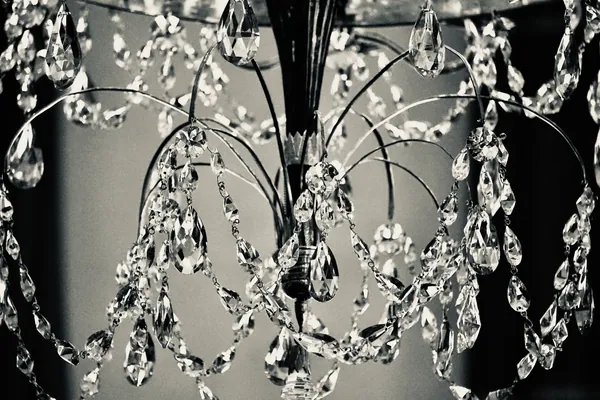
We inspect the chandelier type and the ceiling mounting in the new structure, checking for any weakness that needs attention.
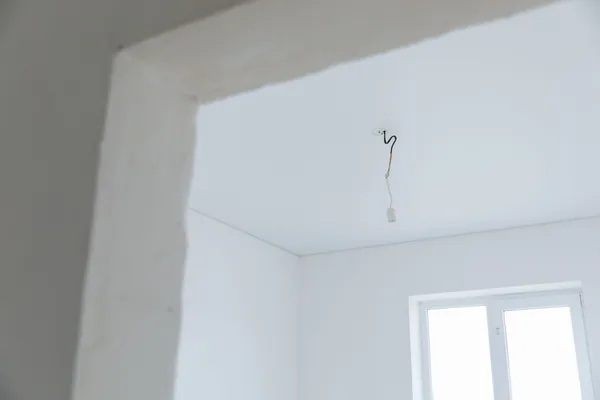
We cut the power at the board and put a warning notice so it stays off.
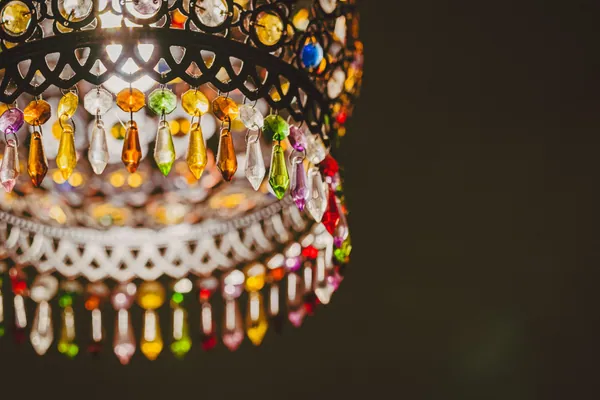
We photograph the chandelier precisely from every angle and record piece order before we start taking it apart.
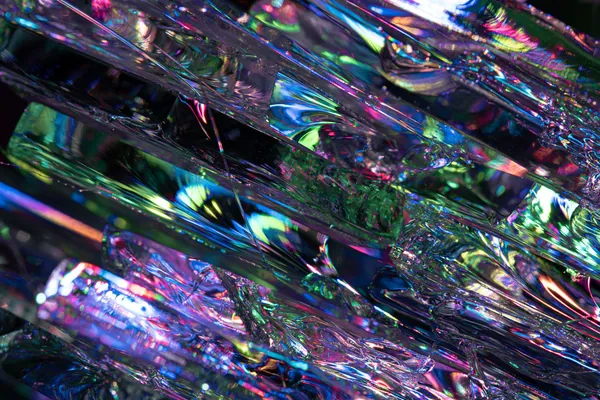
We wash each piece separately in warm water, soaking sand first before wiping to prevent scratching.
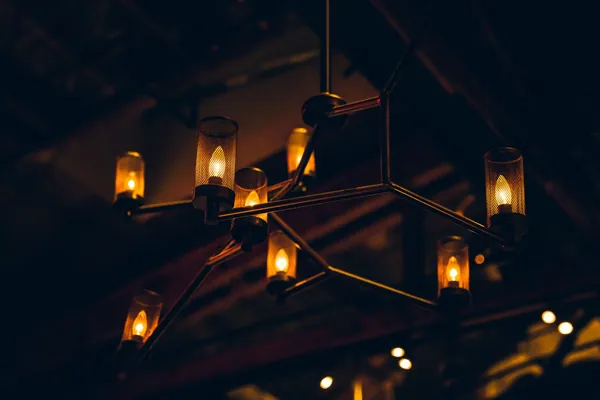
Frame and arms are wiped of sand and sea salt residue, and spaces between arms are cleaned thoroughly.
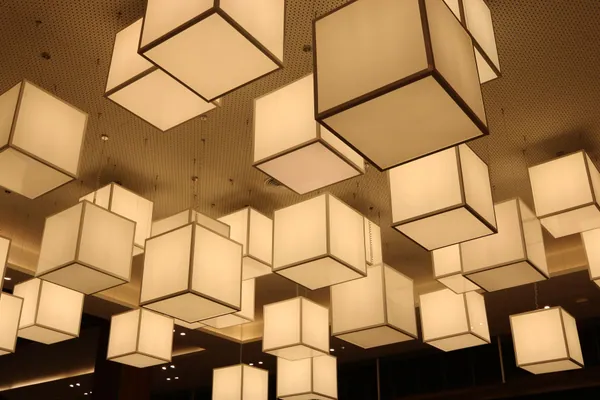
Each piece is reassembled in its exact order from the photographs, power is restored, and we check every bulb lights.
The circuit is switched off before anything is touched, and warm bulbs are given time to cool.
We check how it is built, which crystals are loose, and how it comes apart before removing a thing.
The area under the fixture is covered before we start, so a dropped crystal lands soft and nothing marks the floor or table below.
Where the piece allows, crystals come off and are washed and dried individually.
With the crystals off or aside, the frame, arms, bulb holders and ceiling mount are wiped down, since that is where film and webs hide behind the glass.
Every crystal goes back to its place, the fixture is switched on and checked, and we walk the room with you.
A crystal fixture over a stairwell is not a job for a kitchen stool.
We send a team, not one person, so crystals come off, get washed and go back in one visit, without a lone worker hurrying a fragile piece to finish before dark.
Whether crystals come off or are cleaned in place depends on how the fixture is built.
Nothing is done until the fixture is back together, switched on, and you have seen it throw its light.
Photographs from real jobs carried out by the crew.












The commitment is simple enough to actually keep: we do not leave until the fixture is reassembled, lit, and you have seen it for yourself.
North Jeddah is largely newer villa districts and compounds around Obhur and inland from it. Homes here tend to have marble or porcelain floors, large windows and a garden or courtyard, so the routine is set by what comes in from outside: fine sand carried on sandals, and sprinkler spray that dries to a chalky ring on tiles. Near the creek and the coast, sea air leaves a faint salt film on glass and on outdoor cushions, which stiffens fabric. Curtains and upholstery in these open plan rooms catch the dust that settles overnight.
We provide these in Al Gharbiyah too, and more than one can share a single visit.



