
The access to reach it safely
A crystal fixture over a stairwell is not a job for a kitchen stool.
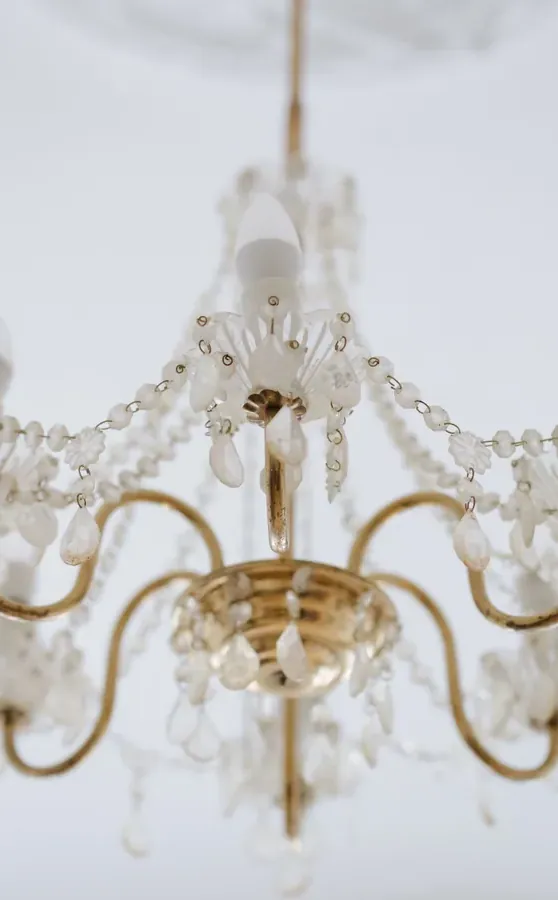
Al Tawfeeq is a small simple residential district east of Jeddah, far from the coast, where air is dry and dust is coarse and pale. Chandeliers here cloud quickly but from different dirt: construction dust, grit from unpaved roads and sediment. The district is still developing, and work here requires knowledge of inland dust, not salt.
Dust here is coarser and paler than on the Jeddah coast, it enters under doors and settles fast. Grit from roads that are not yet fully paved scratches tiles, and the chandelier traps this sharp dust more persistently. For the method itself, see our chandelier cleaning service in detail.
Al Tawfeeq lies close to hills and open ground behind the ring roads, so air is drier and dust is coarser. This sharp dust enters with every door opening and settles on all surfaces fast. The chandelier traps coarse grit harder than on the coast, and cleaning needs a solution that dissolves small stones.
Al Tawfeeq is a developing district, so building is ongoing and some roads are not yet tarmac. Building dust and grit fly during construction and maintenance, and chandeliers cloud from inside faster. Incomplete networks mean roof tank sediment ends up in standing water.
This is far from coastal humidity but close to dry winds, so fine dust blows in easily and enters homes through every gap. Chandeliers become dusty quickly, and the dust dries onto the surface because it is not damp like the coast.
A small residential district in east Jeddah away from the sea near the University of Jeddah Road and stadium, with simple popular housing mixed with newer residential subdivisions.
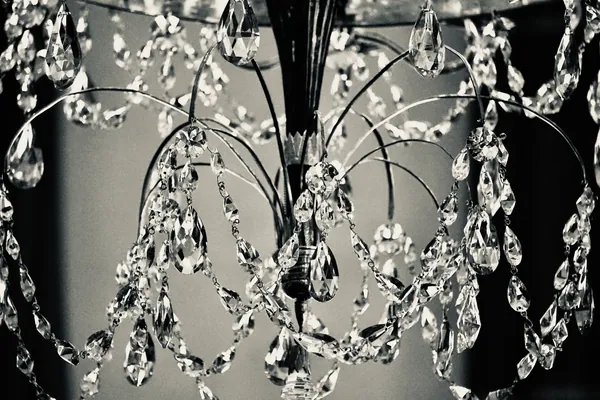
Chandeliers in Al Tawfeeq are often simple glass or plastic, and photographs before dismantling protect you from confusion in a small flat.
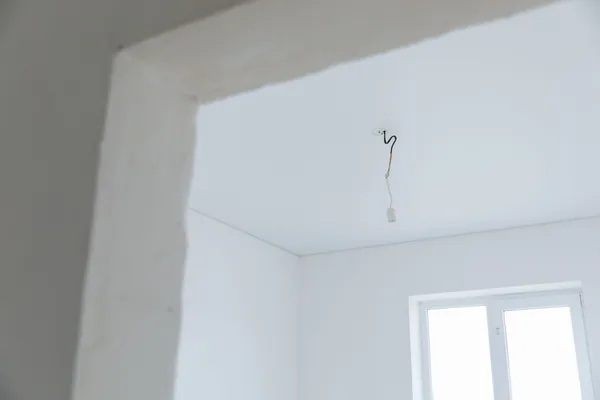
Safe electrical isolation in a developing district requires checking older wiring that may not yet be up to current standards.
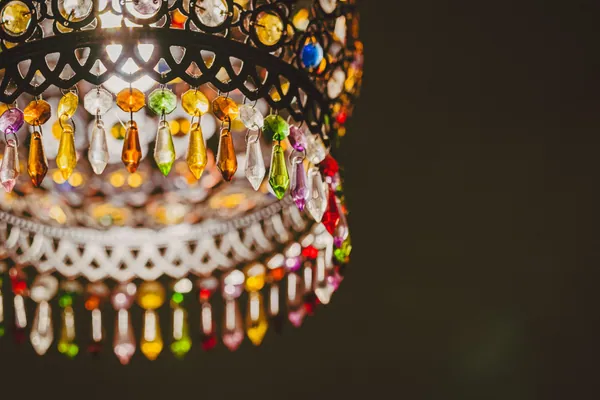
Coarse dust needs to be photographed before dismantling, so you can see how much grit has built up and understand why regular cleaning matters here.
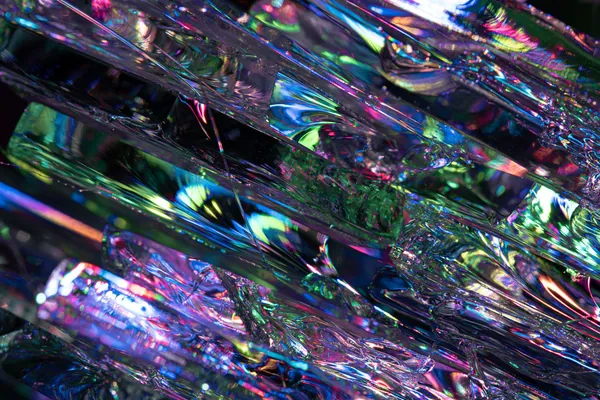
Each piece is washed in cold water, not warm, because grit should not be softened by heat but removed gently by brush.
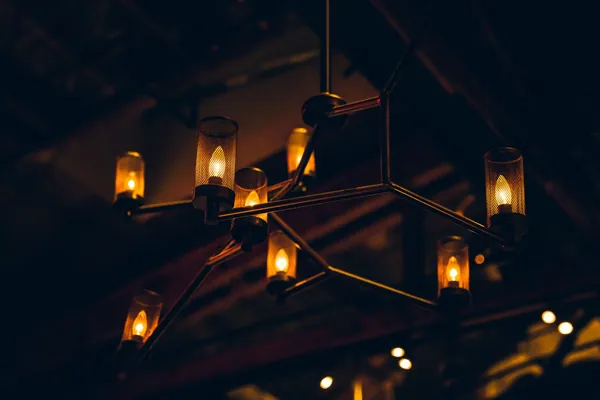
Frames and metals are wiped dry after washing, and gaps are cleaned with compressed air at low pressure to remove any remaining grit without scratching.
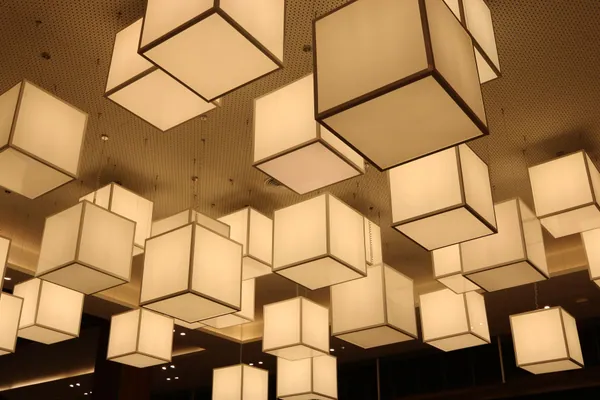
Lights are tested with a meter first, because older wiring may not be fully insulated from sharp dust inside.
The circuit is switched off before anything is touched, and warm bulbs are given time to cool.
We check how it is built, which crystals are loose, and how it comes apart before removing a thing.
The area under the fixture is covered before we start, so a dropped crystal lands soft and nothing marks the floor or table below.
Where the piece allows, crystals come off and are washed and dried individually.
With the crystals off or aside, the frame, arms, bulb holders and ceiling mount are wiped down, since that is where film and webs hide behind the glass.
Every crystal goes back to its place, the fixture is switched on and checked, and we walk the room with you.
Mixed district: shops at street level with homes above them
The mixed district here means simple popular homes and new residential blocks side by side, and chandeliers vary widely. The team handles coarse dry dust carefully, because it scratches glass and metals easily if not removed with care.
A crystal fixture over a stairwell is not a job for a kitchen stool.
We send a team, not one person, so crystals come off, get washed and go back in one visit, without a lone worker hurrying a fragile piece to finish before dark.
Whether crystals come off or are cleaned in place depends on how the fixture is built.
Nothing is done until the fixture is back together, switched on, and you have seen it throw its light.
Photographs from real jobs carried out by the crew.












The commitment is simple enough to actually keep: we do not leave until the fixture is reassembled, lit, and you have seen it for yourself.
East Jeddah lies furthest from the sea and closest to the open ground and hills beyond the ring roads, so the air is drier and the dust is coarser and paler than on the coast. It comes in under doors and settles on every flat surface overnight, making sofas, mattresses and curtains the heaviest part of the routine. Floors are mostly ceramic tile in the apartment districts and marble in the villa areas, both scratched by grit that is mopped rather than swept. Roof tank water leaves a grey film of sediment in baths and basins.
We provide these in Al Tawfeeq too, and more than one can share a single visit.



