
Clean first, then disinfect
The common mistake is spraying disinfectant over dirt.
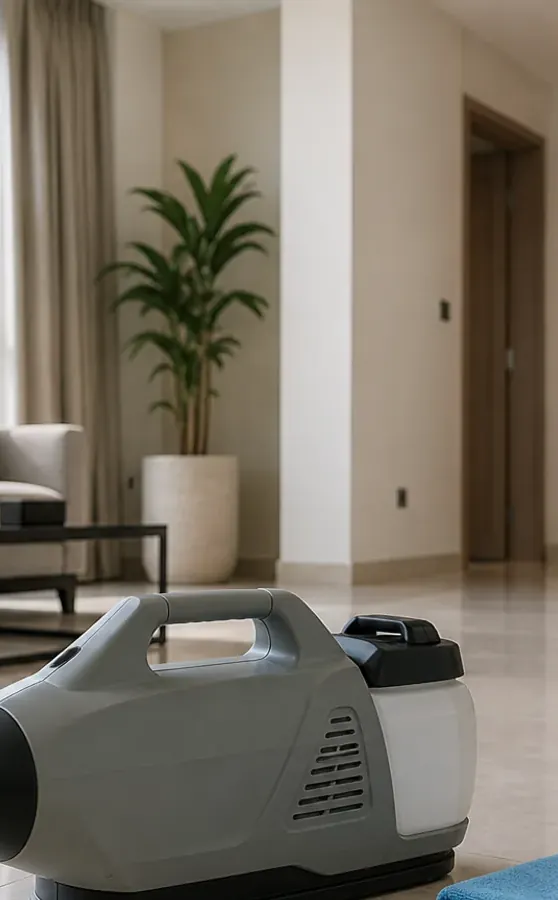
Al Widad is a small residential district in east Jeddah, with newer subdivisions and popular housing mixed together. Homes range from older villas to newer apartment blocks, all built on land away from the main road but exposed to winds from inland. Distance from the sea means less salt-spray but higher dust penetration, and disinfection must account for the different contamination load that inland exposure creates.
Homes here are mixed in age and type. Older villas hold damp in corners and seams, whilst newer flats retain construction dust that cleaning has not fully removed, even years after building finished. For the method itself, see our disinfection and sanitisation service in detail.
New construction schemes nearby mean fine dust constantly enters homes through gaps and seals. This dust settles on every surface and furnishing and must be cleaned thoroughly before disinfection takes effect. Dry dust actually shelters bacteria if left in place. Without removing it first, the spray spray reaches only the top layer of contamination.
Older homes in Al Widad hold moisture locked into corners, grout lines and seams between foundation and wall. Disinfectant needs longer contact time here because dampness slows its absorption. Narrow cracks and tight seams must be cleaned by hand first, then sprayed, giving the product time to penetrate the moist gaps where bacteria hide.
The district blends older properties alongside new buildings, each needing separate assessment. Different floor types, wall materials and opening conditions require individualised planning. Disinfection is not a single spray protocol but a tailored approach, assessed for each home's actual condition on arrival.
Al Widad sits within the Taibah sub-municipality on Asfan Road, a small cluster of residential quarters with basic character, distant from major hospitals and shopping centres, closer to open ground and construction sites.
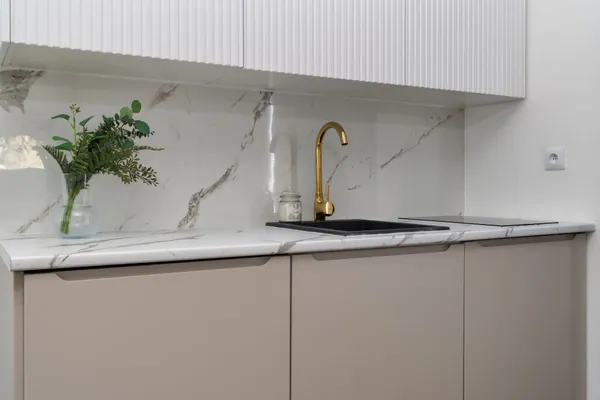
Cleaning before disinfecting here focuses on removing fine construction dust entering from nearby projects and releasing moisture trapped in old seams and foundation gaps.
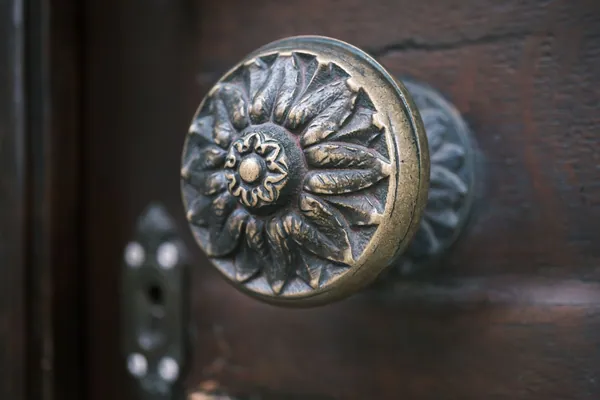
High-touch surfaces here include window edges, door frames, railings and light switches, where dust and dampness accumulate more heavily than in other districts.
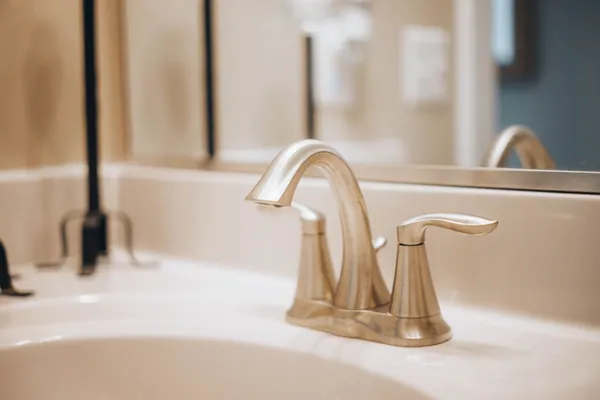
Bathroom work in older villas requires particular care because trapped moisture reduces how quickly disinfectant dries. Seams around taps need extended contact time to penetrate the damp substrate.
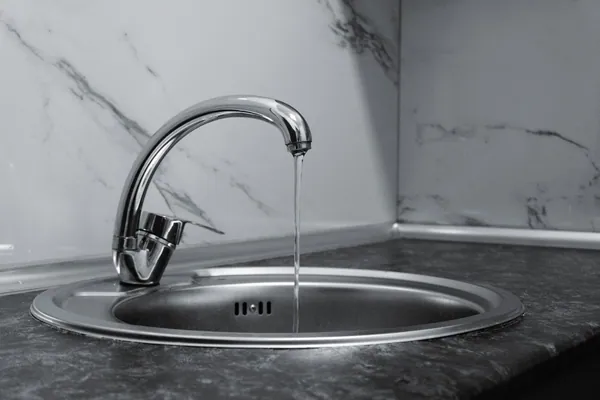
Kitchen and food surfaces are affected by construction dust entering from gaps and settling on preparation areas. Vigorous pre-cleaning removes this dust layer before disinfectant application.
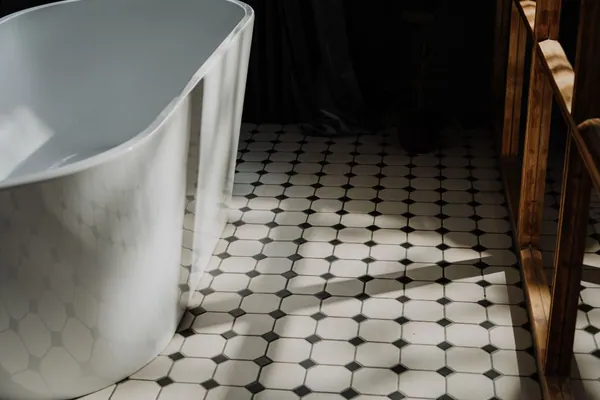
Drains and grout lines collect both dust and trapped moisture, requiring specialist disinfectant treatment that allows contact time for penetration into these difficult-to-reach areas where bacteria persist.
Ventilation after disinfection is essential because trapped dampness in older structures slows drying significantly. We wait for surfaces to clear naturally and air to refresh before closing windows and confirming completion with your approval.
A move-in, an illness and an after-party aren't the same job.
Grime and grease shield what's under them.
A disinfectant has to stay wet on the surface to work.
Handles, switches, taps and rails are done by hand because they carry the most and need direct contact that fogging alone doesn't give.
Once the hard surfaces are done, a fine fog reaches the air, the fabrics and the corners a cloth can't, settling over what hand-wiping misses.
We open up and air the rooms, then walk the home with you before leaving.
The common mistake is spraying disinfectant over dirt.
The company runs a large crew, and we send a team rather than one person.
The foggers and the products come with the team.
If what you need is deep cleaning or mould work rather than disinfection, we tell you.
Photographs from real jobs carried out by the crew.












The commitment is simple enough to actually keep: we don't leave until you've seen the result and had your say on it.
Mixed district: shops at street level with homes above them
A mixed district means old and new homes side by side, each requiring its own disinfection strategy. The older home needs longer contact time because of trapped moisture. The newer home may need more vigorous pre-cleaning for construction dust.
We provide these in Al Widad too, and more than one can share a single visit.



