
Clean first, then disinfect
The common mistake is spraying disinfectant over dirt.
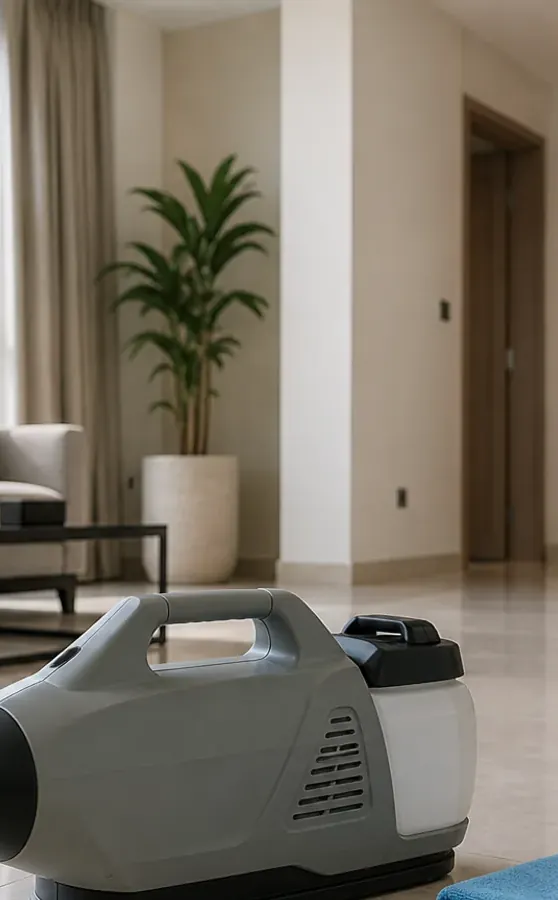
Al Hijaz is a mixed district in the Taibah sub-municipality east of Jeddah, with shops at street level and apartments above them. Cooking grease and dust from the street penetrate upward into the flats, and old ceramic floors accumulate lime scale from roof tank water that requires removal before any disinfection can work.
Flats above restaurants smell of cooking from below even on upper floors, and ceramic flooring collects roof tank sediment faster than homes set back from the street. For the method itself, see what disinfection and sanitisation involves.
Kitchens on the ground floor send cooking fumes and grease through ceilings and windows into the flats above. These grease layers settle on surfaces, curtains and upholstery, requiring deep pre-cleaning before disinfection or the product will slide off without touching the bacterial load underneath.
University Road is close and fine black dust from traffic drifts under doors and settles on everything by morning. Carpets, curtains and furnishings trap this dust deep in fibres, needing separate washing before disinfection, as dust acts as a shield that keeps the product from reaching the bacteria.
Ceramic tiles throughout the flats are coated with white or grey mineral deposits from roof tank water, creating a thick layer that shields bacteria completely. This scale must be removed with force before any disinfectant reaches the tile surface underneath, making it a critical first step.
A relatively newer residential area between University of Jeddah Road and Wadi Al Ghawla with ground floor businesses supporting upper-floor housing, positioned near active construction and open land creating dust drift.
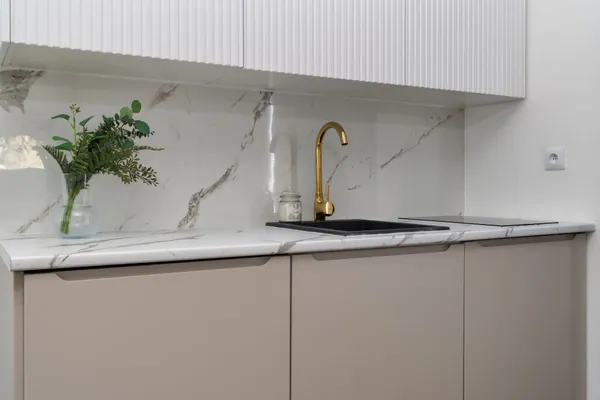
Surfaces here are usually covered in a dual layer of cooking grease and fine street dust, so initial cleaning must remove both completely before any disinfectant contact begins.
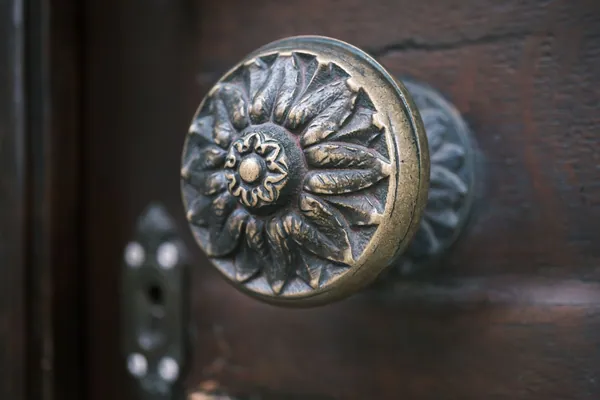
Taps, handles and door frames accumulate cooking grease on top of everyday bacteria from hands, making them the priority surfaces for focused treatment.
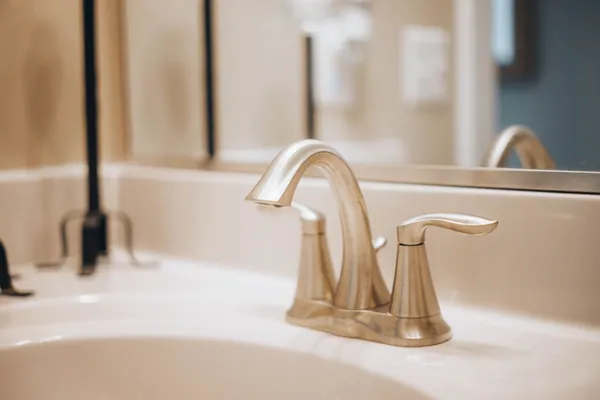
Bathroom drains and sink traps hold white and grey roof tank mineral deposits that completely shield bacteria, requiring robust cleaning before disinfection has any path to work.
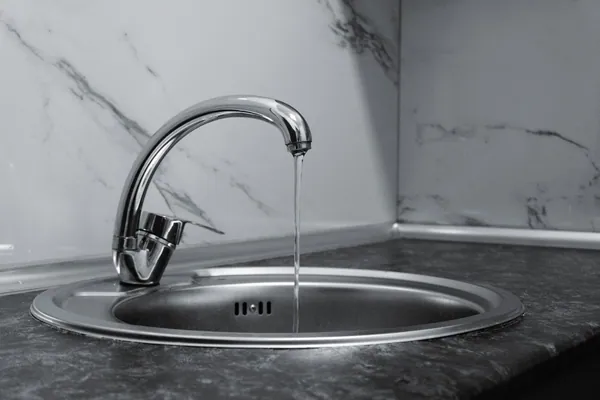
Kitchen surfaces carry layers of accumulated cooking grease, requiring deep cleaning to expose what bacteria live underneath before any disinfectant spray can reach them.
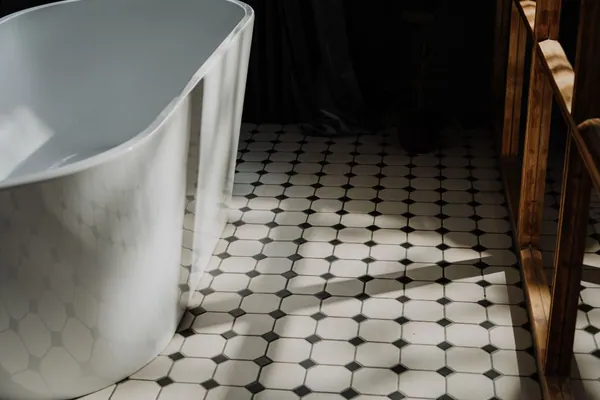
Drains and grout lines trap roof tank sediment and cooking grease together, particularly in kitchens where grease flows daily, creating sealed pockets needing targeted chemical treatment.
Ventilation after disinfection must run longer to purge the smell of trapped grease that disinfection kills but does not remove, requiring air circulation to carry odour out.
A move-in, an illness and an after-party aren't the same job.
Grime and grease shield what's under them.
A disinfectant has to stay wet on the surface to work.
Handles, switches, taps and rails are done by hand because they carry the most and need direct contact that fogging alone doesn't give.
Once the hard surfaces are done, a fine fog reaches the air, the fabrics and the corners a cloth can't, settling over what hand-wiping misses.
We open up and air the rooms, then walk the home with you before leaving.
Al Hijaz between University of Jeddah Road and Wadi Al Ghawla is reached through Taybah Street and Asfan Road, where continual traffic creates dust drift. Homes near the main road face constant particle entry and grease from shops below, requiring disinfection focused on those two sources of ongoing contamination.
The common mistake is spraying disinfectant over dirt.
The company runs a large crew, and we send a team rather than one person.
The foggers and the products come with the team.
If what you need is deep cleaning or mould work rather than disinfection, we tell you.
Photographs from real jobs carried out by the crew.












The commitment is simple enough to actually keep: we don't leave until you've seen the result and had your say on it.
East Jeddah lies furthest from the sea and closest to the open ground and hills beyond the ring roads, so the air is drier and the dust is coarser and paler than on the coast. It comes in under doors and settles on every flat surface overnight, making sofas, mattresses and curtains the heaviest part of the routine. Floors are mostly ceramic tile in the apartment districts and marble in the villa areas, both scratched by grit that is mopped rather than swept. Roof tank water leaves a grey film of sediment in baths and basins.
We provide these in Al Hijaz too, and more than one can share a single visit.



