
Clean first, then disinfect
The common mistake is spraying disinfectant over dirt.
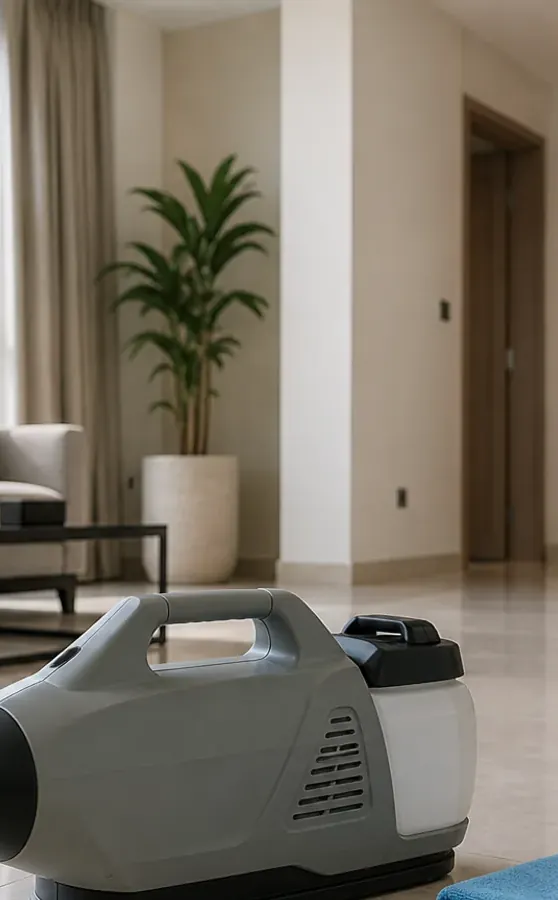
Al Zumurrud sits on the Red Sea where humidity runs high and salt air moves through the year. This means home surfaces hold moisture far longer than in inland districts. Disinfection here means cleaning away salt deposits and dampness first, then a deep treatment that penetrates beneath what sits on top, because salt shields the surface from disinfectant.
Beachfront chalets and rest houses here need disinfection far more often because the damp accelerates microbial growth across all surfaces. For the method itself, see how we approach disinfection and sanitisation.
Layers of salt from the sea air form a barrier that stops disinfectant reaching the actual surface beneath. Cleaning salt and mineral deposits first makes disinfectant effective instead of sliding over the top. A surface coated in salt residue simply cannot be disinfected without that preparatory clean.
In Al Zumurrud, moist air keeps surfaces damp for longer than elsewhere, and bacteria and fungi live in that dampness. Disinfection needs full contact time on a clean surface before ventilation turns moisture into a liability. The damp air makes contact time even more critical.
Salt and moisture create heavy deposits in tile grout and drain lines. These deposits harbour bacteria and protect them from disinfectant, so mechanical cleaning must come before chemical treatment. Coastal drains clog faster and hold more scale than inland ones.
The coastal zone faces constant humidity and salt air that deposits on every surface, making them more prone to bacteria and fungi than drier inland areas.
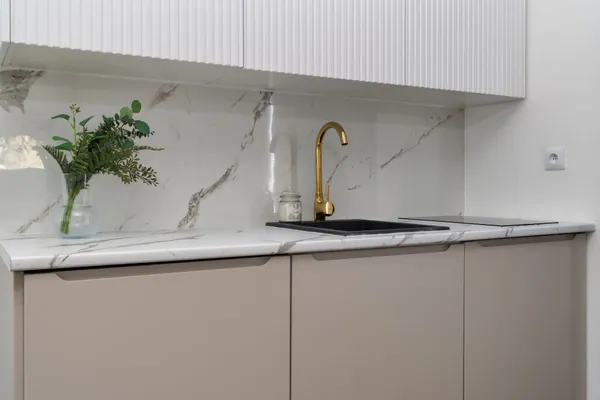
Salt and moisture on the surface need a damp cloth pre-clean before disinfectant can reach the actual surface beneath the residue.
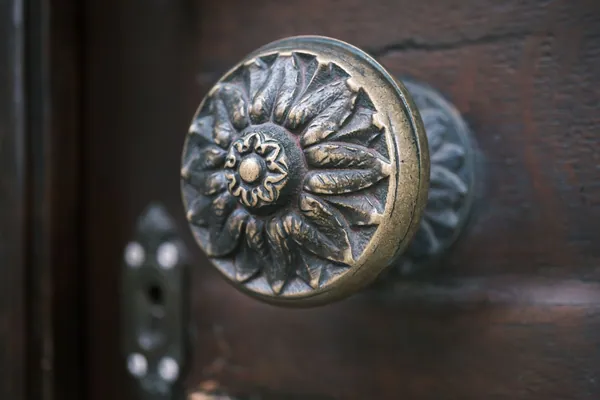
High-touch surfaces in Al Zumurrud hold moisture far longer, so they need extended contact time for disinfectant to work through the damp.
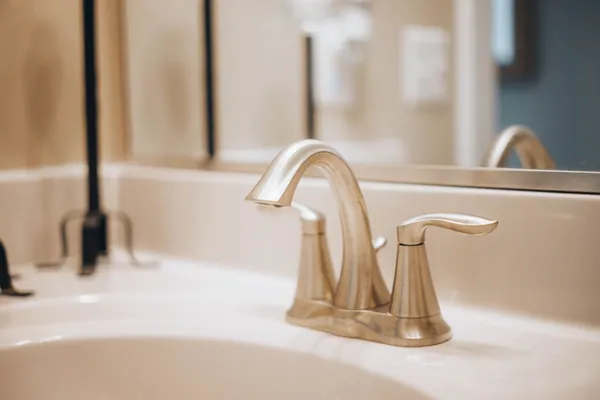
Bathroom taps and water pipes accumulate heavy salt scale quickly in coastal zones, needing special attention and scrubbing during the clean phase.
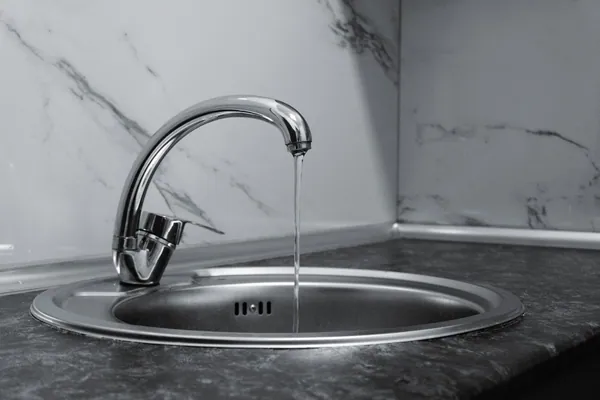
Kitchen surfaces and soft furnishings absorb salt and moisture from the sea air, so disinfection must penetrate the fabric, not just the top.
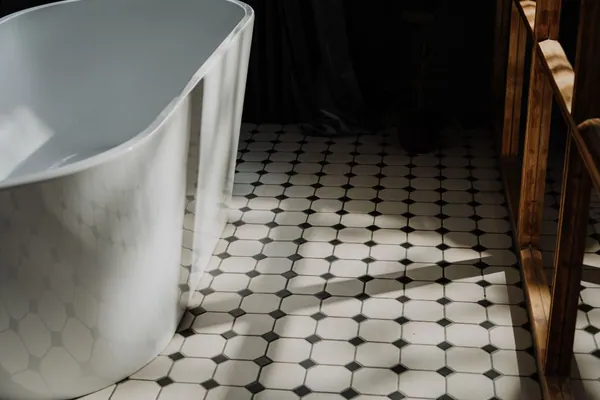
Tile grout lines and drains trap thick salt and mineral deposits in coastal homes, requiring a brush and pre-clean before disinfection can begin.
Ventilation after disinfection is critical on the coast because moisture dominates the air, and we walk through with the owner once everything has dried.
A move-in, an illness and an after-party aren't the same job.
Grime and grease shield what's under them.
A disinfectant has to stay wet on the surface to work.
Handles, switches, taps and rails are done by hand because they carry the most and need direct contact that fogging alone doesn't give.
Once the hard surfaces are done, a fine fog reaches the air, the fabrics and the corners a cloth can't, settling over what hand-wiping misses.
We open up and air the rooms, then walk the home with you before leaving.
Al Zumurrud sits about 2 km from Al Gharbiyah and about 2.5 km from Al Corniche.
Open in Google MapsThe common mistake is spraying disinfectant over dirt.
The company runs a large crew, and we send a team rather than one person.
The foggers and the products come with the team.
If what you need is deep cleaning or mould work rather than disinfection, we tell you.
Photographs from real jobs carried out by the crew.












The commitment is simple enough to actually keep: we don't leave until you've seen the result and had your say on it.
In Al Zumurrud we navigate to homes easily by their proximity to Omar bin Siddiq Attar Mosque and Al Khair Mosque, landmarks that sit in the heart of the district. We coordinate timing by their location to bring the team and equipment through quickly.
We provide these in Al Zumurrud too, and more than one can share a single visit.



