
Clean first, then disinfect
The common mistake is spraying disinfectant over dirt.
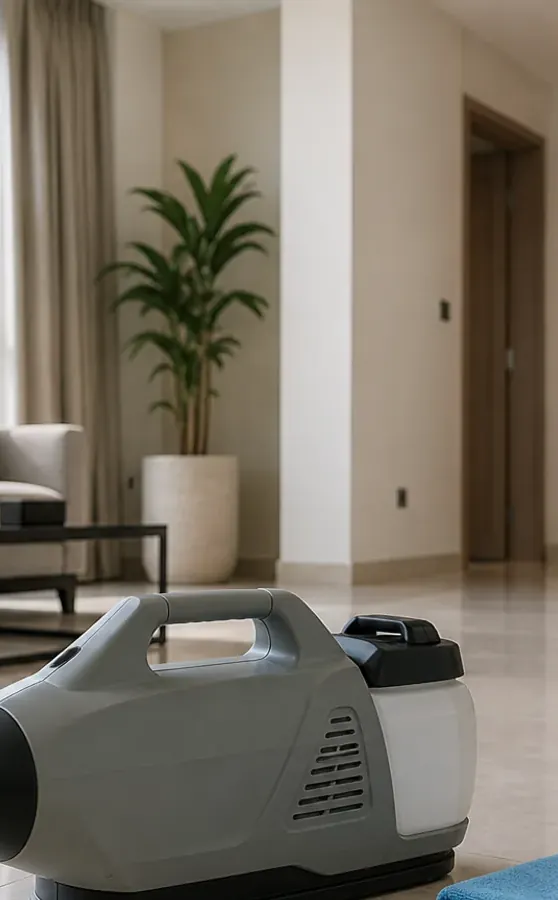
Al Gharbiyah is a coastal new development district mixing emerging villas with vacant plots still under construction, where fine beach sand and salt air deposit on every surface. Disinfection here starts by removing these layers first, before any treatment can work.
Newer homes here collect ongoing construction dust from adjacent building plots faster than established completed districts, coating windows and curtains more heavily. For the method itself, see what disinfection and sanitisation involves.
Sea air leaves a faint salt film on glass and outdoor fabrics, and fine sand enters with every step. Before disinfection, we remove these layers through deep cleaning so the disinfectant can reach bare surface beneath.
Homes surrounded by undeveloped land catch ongoing construction dust on curtains and upholstery. Disinfection requires cleaning surfaces clear of this dust first, or the disinfectant cannot make contact with what it needs to treat.
Garden spray dries on tile and marble leaving white calcium rings. Removing these deposits is essential before disinfection, otherwise the disinfectant cannot reach the surface underneath them and its effect is lost.
The district lies near the coast and King Abdulaziz Road, so sand grains come in on shoes and sprinkler spray dries into chalk rings on tile and marble.
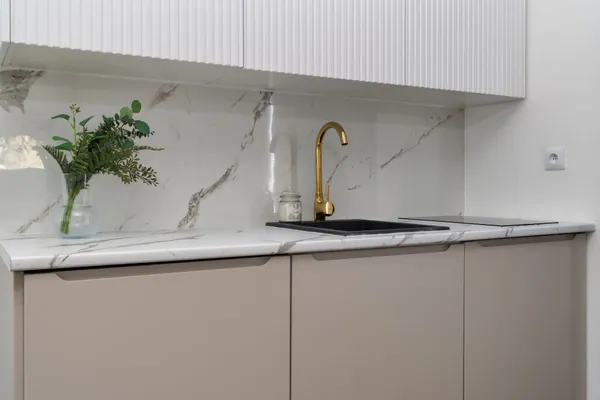
Coastal dust and calcium deposits need doubled cleaning before disinfection to reach a truly clean surface.
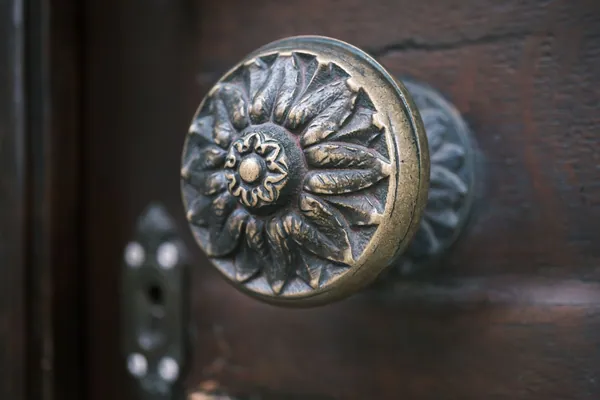
Door and window handles, furniture surfaces catch salt and sand more readily than others and need careful attention.
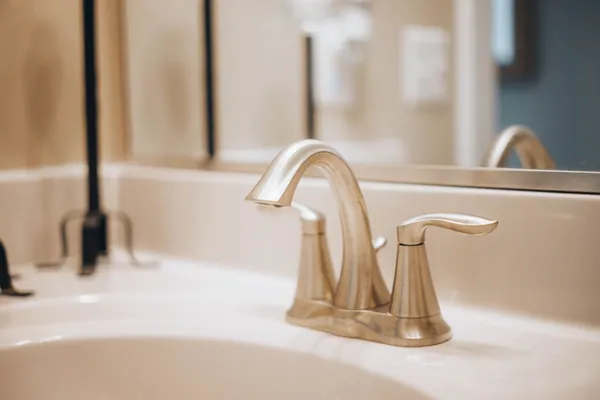
Bathroom taps and toilet handles carry calcium scale from tap water, and removing it before disinfection is essential.
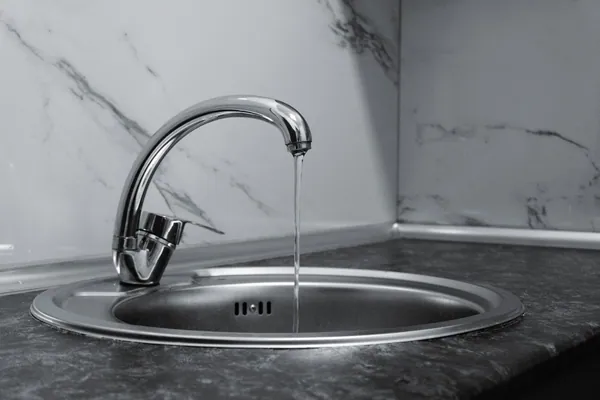
Kitchen surfaces and refrigerator tops trap fine construction dust, which we clean carefully before applying disinfectant.
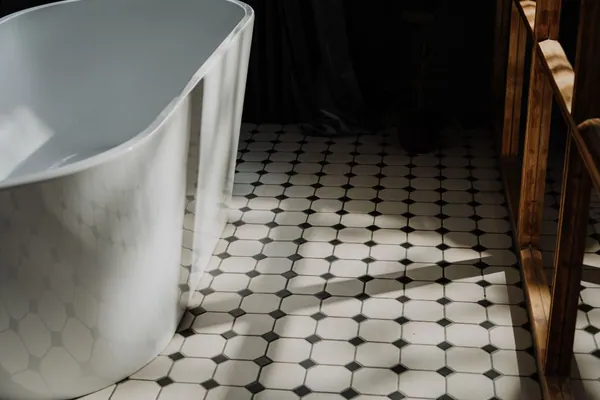
Drains and grout lines collect beach sand and grime, requiring special treatment before disinfection can be applied.
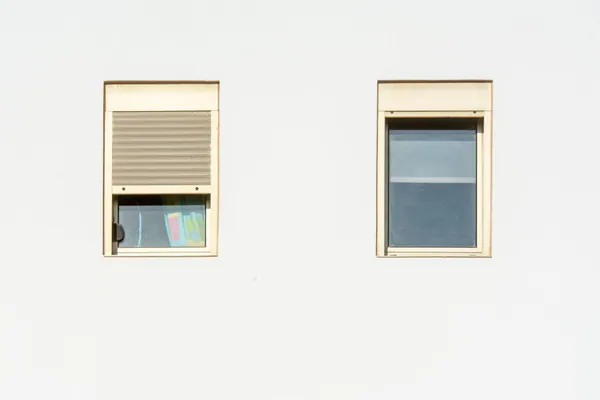
Complete ventilation is essential after disinfection in a new home, especially if windows overlook vacant plots and active building.
A move-in, an illness and an after-party aren't the same job.
Grime and grease shield what's under them.
A disinfectant has to stay wet on the surface to work.
Handles, switches, taps and rails are done by hand because they carry the most and need direct contact that fogging alone doesn't give.
Once the hard surfaces are done, a fine fog reaches the air, the fabrics and the corners a cloth can't, settling over what hand-wiping misses.
We open up and air the rooms, then walk the home with you before leaving.
The common mistake is spraying disinfectant over dirt.
The company runs a large crew, and we send a team rather than one person.
The foggers and the products come with the team.
If what you need is deep cleaning or mould work rather than disinfection, we tell you.
Photographs from real jobs carried out by the crew.












The commitment is simple enough to actually keep: we don't leave until you've seen the result and had your say on it.
North Jeddah is largely newer villa districts and compounds around Obhur and inland from it. Homes here tend to have marble or porcelain floors, large windows and a garden or courtyard, so the routine is set by what comes in from outside: fine sand carried on sandals, and sprinkler spray that dries to a chalky ring on tiles. Near the creek and the coast, sea air leaves a faint salt film on glass and on outdoor cushions, which stiffens fabric. Curtains and upholstery in these open plan rooms catch the dust that settles overnight.
We provide these in Al Gharbiyah too, and more than one can share a single visit.



