
Clean first, then disinfect
The common mistake is spraying disinfectant over dirt.
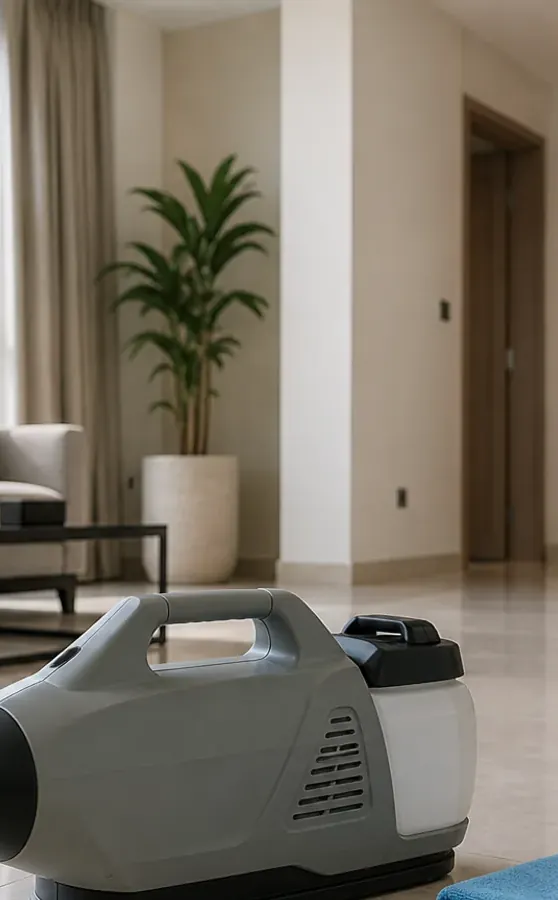
Abhur South sits directly on the sea, and salt and humidity penetrate everything throughout the year. Surfaces do not dry quickly, moisture makes germs live longer, and salt leaves a sticky film that shields the surface from disinfectant. Disinfection here means accounting for salt and humidity at every step, and the work takes more time than it would inland.
Salt residue appears on windows and metal surfaces overnight, and soft furnishings feel damp even after good ventilation, because the air carries moisture that never fully leaves. For the method itself, see the full disinfection and sanitisation page.
Salt in the air settles on surfaces, glass and metal, leaving an invisible sticky layer that shields the disinfectant. Pre-cleaning here means removing salt first so the disinfectant can actually reach the surface underneath.
Salty humid air keeps surfaces wet for hours longer than inland homes. Germs in damp conditions breed faster, so disinfection needs stronger concentration and ventilation needs much longer to work.
Furniture, curtains and carpets on the coast absorb moisture differently than inland. Salt and dampness together penetrate textiles, so soft furnishings need separate treatment and longer contact time than those away from the shore.
A coastal zone on the shoreline of Obhur Creek, with villas, chalets, resorts and new housing projects, separated from North Obhur by the creek itself.
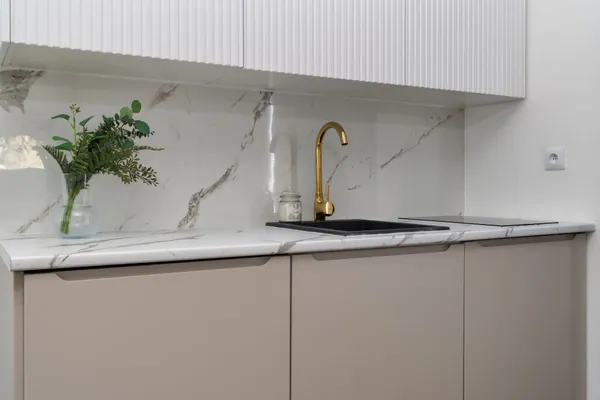
Pre-cleaning on the coast means removing salt white deposits from windows, frames and metal surfaces before any disinfectant can work effectively on the underlying material.
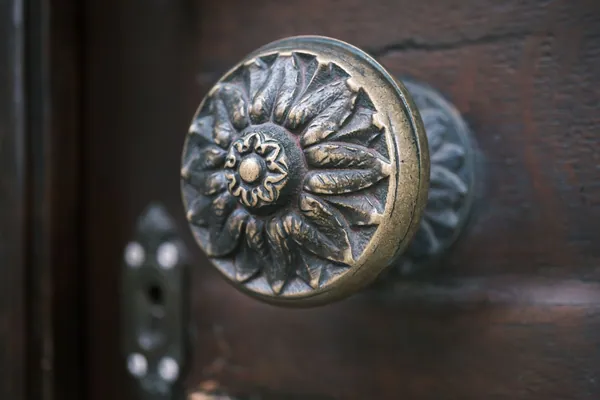
High-touch surfaces on the coast need stronger treatment because moisture keeps germs alive longer, and salt shields the surface from the first application.
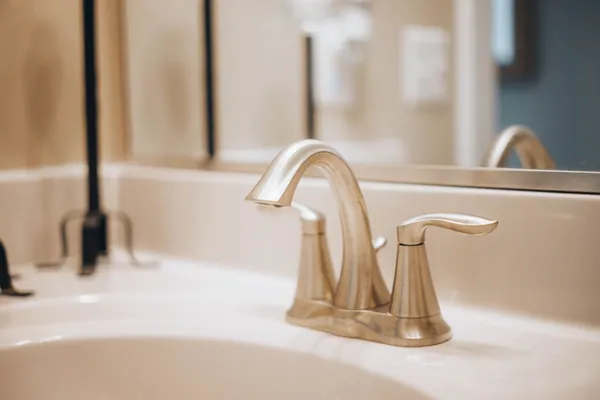
Bathrooms in coastal homes stay damp constantly, so taps and handles need extra care to ensure complete removal of salt and germs that thrive in that moisture.
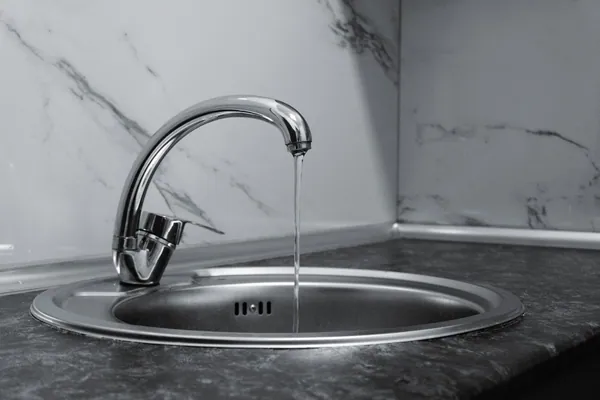
Kitchens on the coast face higher humidity, and food preparation surfaces need separate treatment because salt builds faster here than in inland districts.
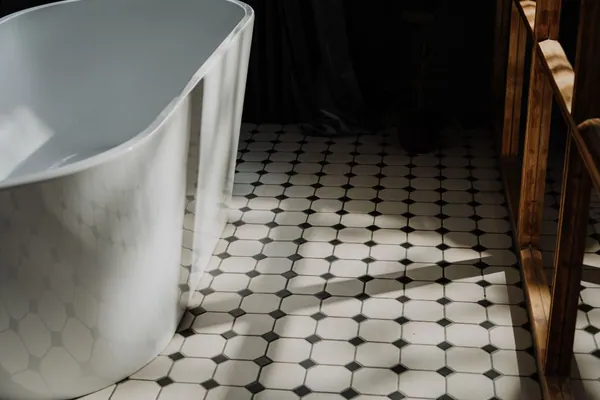
Drains and grout lines carry more salt and germs because excess humidity makes them an ideal breeding ground for bacteria that spreads through moisture.
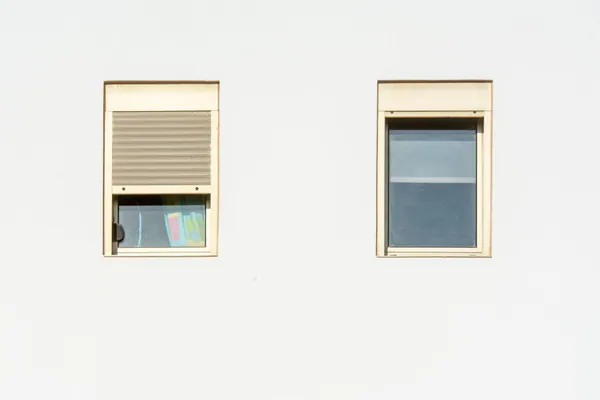
Ventilation takes much longer because humidity does not leave easily, and salt may return with sea breezes, so air movement must be strong and extended.
A move-in, an illness and an after-party aren't the same job.
Grime and grease shield what's under them.
A disinfectant has to stay wet on the surface to work.
Handles, switches, taps and rails are done by hand because they carry the most and need direct contact that fogging alone doesn't give.
Once the hard surfaces are done, a fine fog reaches the air, the fabrics and the corners a cloth can't, settling over what hand-wiping misses.
We open up and air the rooms, then walk the home with you before leaving.
The common mistake is spraying disinfectant over dirt.
The company runs a large crew, and we send a team rather than one person.
The foggers and the products come with the team.
If what you need is deep cleaning or mould work rather than disinfection, we tell you.
Photographs from real jobs carried out by the crew.












The commitment is simple enough to actually keep: we don't leave until you've seen the result and had your say on it.
Along South Obhur Corniche and around Obhur Creek itself, we plan your team arrival by your position near the chalets and resorts, always conscious of how salt and coastal moisture affect every home in this long seaward stretch.
We provide these in Abhur South too, and more than one can share a single visit.



