
Clean first, then disinfect
The common mistake is spraying disinfectant over dirt.
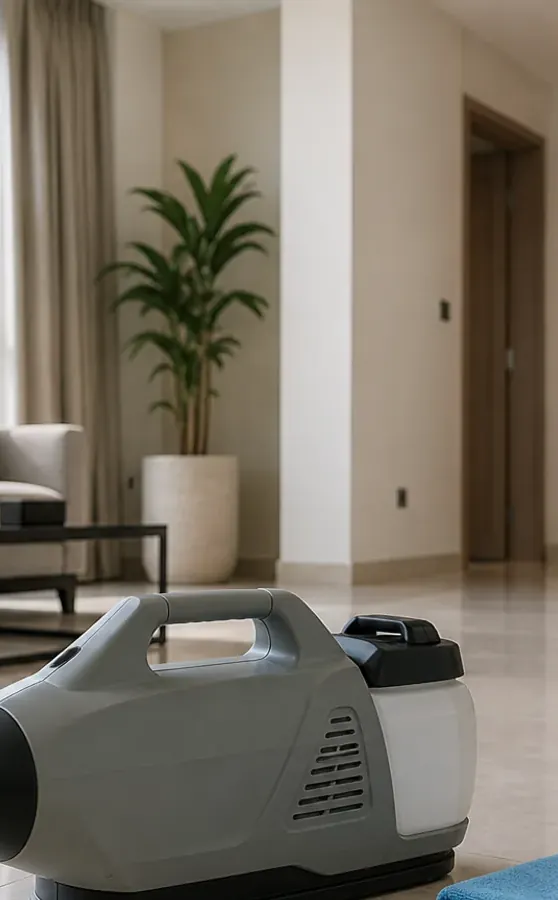
Al Wadi in south Jeddah is an industrial zone with warehouses and modern storage installations, where dust is black and oily from diesel soot and workshop residue. Disinfection in an industrial area differs fundamentally from a residential home because the pollutants are harsher and far more oil-based, requiring a stronger disinfectant product and much longer contact time.
Ceramic and marble floor tiles blacken where soot is walked, and heavy oils and grease from workshops cling to windows, door frames and wall surfaces stubbornly. For the method itself, see what disinfection and sanitisation involves.
Dust in Al Wadi is black and oily from diesel truck soot and heavy workshop activity, clinging strongly to windows, door frames and walls. Removing this baked-on soot requires a strong degreaser first, then disinfection with a product stronger than standard residential treatment, because the pollutant is not just biological.
Floor surfaces in warehouses and industrial installations are often bare concrete or ceramic tile that darkens fast under soot traffic. Disinfecting these requires deep cleaning with a strong degreaser first, then applying an industrial-grade disinfectant that tolerates rough surfaces and heavy pollution.
Al Wadi lies near the sea, so coastal humidity adds mould growth on layers of accumulated oils. Disinfection here requires both an anti-mould product and a degreaser together, with a long contact time to penetrate deep into the grease buildup.
Al Wadi lies in south Jeddah with a dominant industrial and logistics character, containing modern licensed storage facilities and warehouses, organised roads including Nasser bin Eid Street and the King Faisal branch road, near the port and Al Khumrah industrial zone.
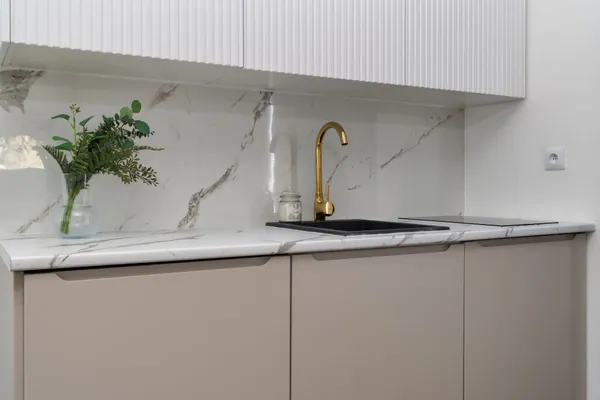
We deep clean surfaces and metal from oils, grease and soot thoroughly first with strong degreaser, then allow complete drying before applying an industrial-strength disinfectant product.
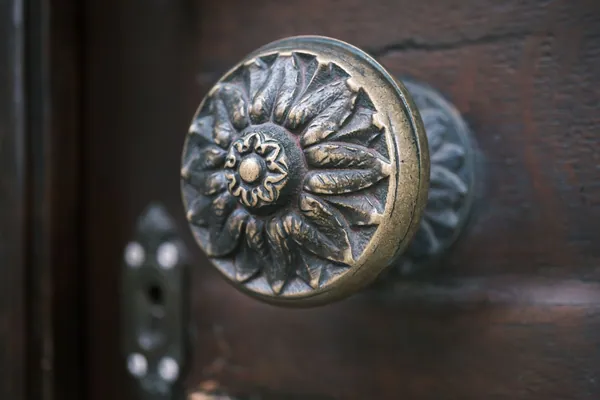
Door handles, heavy equipment and metal surfaces carry thick layers of grease, oils and workshop soot, so we clean these deeply with brush, water and degreaser first then disinfect with a strong product.
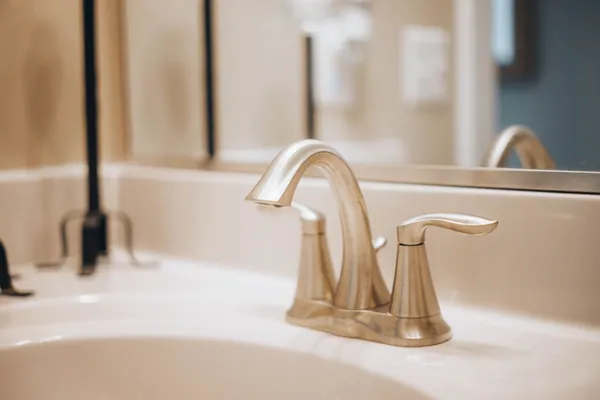
Water taps and drains accumulate industrial sediment, oils and residue rapidly, so we clean these very deeply first then disinfect thoroughly around the tap and drain area.
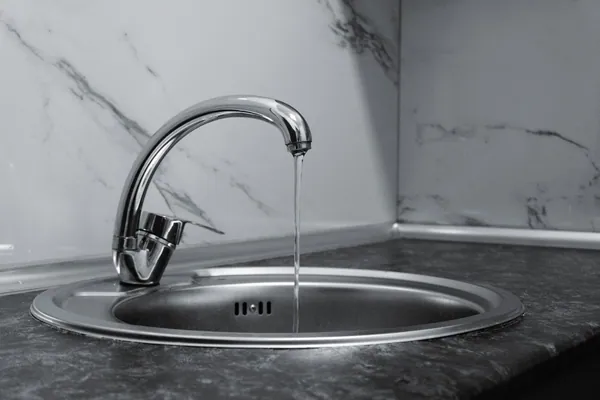
Work surfaces and stations may be coated with oils, grease and mould from coastal damp, so we clean these with strong degreaser first then apply industrial-grade disinfectant product.
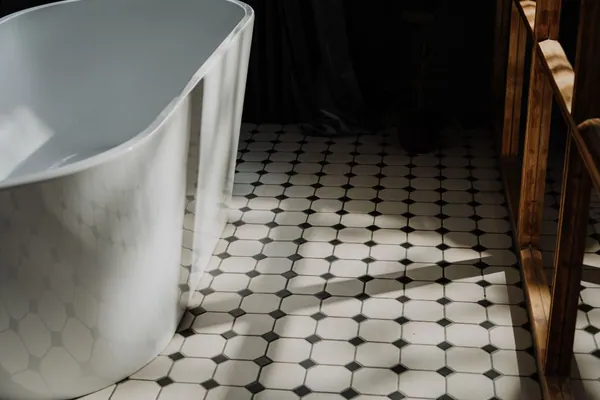
Drains, grout lines, corners and crevices trap heavy industrial deposits and mould from coastal humidity, so we clean these very deeply first then disinfect with a strong product.
We leave doors and openings wide open after disinfection for strong ventilation for at least two hours so all surfaces dry fully and lingering fumes from the strong disinfectant dissipate completely.
A move-in, an illness and an after-party aren't the same job.
Grime and grease shield what's under them.
A disinfectant has to stay wet on the surface to work.
Handles, switches, taps and rails are done by hand because they carry the most and need direct contact that fogging alone doesn't give.
Once the hard surfaces are done, a fine fog reaches the air, the fabrics and the corners a cloth can't, settling over what hand-wiping misses.
We open up and air the rooms, then walk the home with you before leaving.
Industrial area: workshops, warehouses and loading yards
Heavy industrial pollutants from oils and soot mean standard residential disinfection does not work. We clean with strong degreaser first, then apply industrial-grade disinfectant product, and allow much longer contact time so the chemical penetrates deep into stubborn heavy pollutants.
The common mistake is spraying disinfectant over dirt.
The company runs a large crew, and we send a team rather than one person.
The foggers and the products come with the team.
If what you need is deep cleaning or mould work rather than disinfection, we tell you.
Photographs from real jobs carried out by the crew.












The commitment is simple enough to actually keep: we don't leave until you've seen the result and had your say on it.
South Jeddah runs from the port and the industrial city down towards Al Khumrah, and homes here sit between the sea and the heavy goods roads. The dust is darker and oilier than in the north, a mix of diesel soot and workshop grit, and it clings to net curtains, window sills and the tops of kitchen cupboards. Floors in the older low rise housing are often plain cement or ceramic tile that darkens where soot is walked in. Humidity from the coast adds mildew in bathrooms and a musty smell in stored fabrics.
We provide these in Al Wadi too, and more than one can share a single visit.



