
Clean first, then disinfect
The common mistake is spraying disinfectant over dirt.
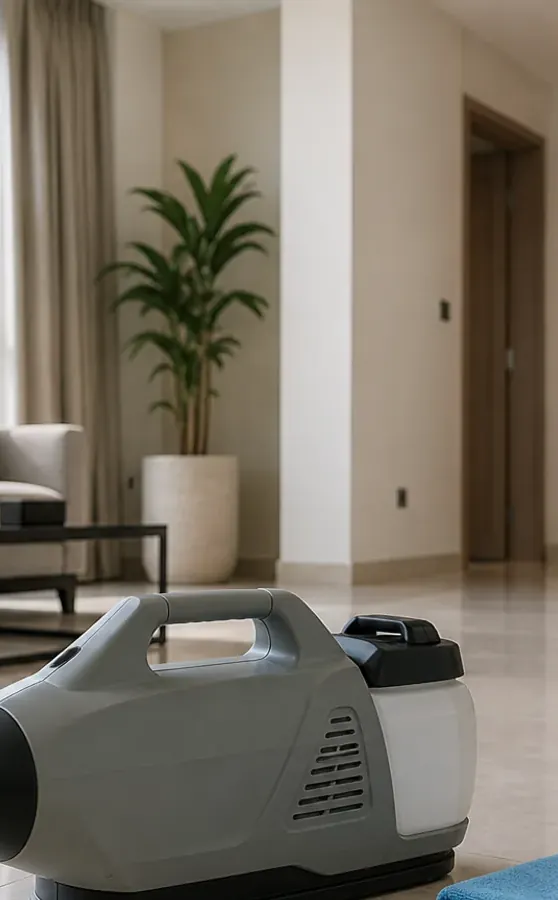
Wadi Mareekh is a newly developing district with ongoing construction and vacant plots between the new homes. Fresh ground absorbs moisture rapidly, new foundations seep dampness, construction dust infiltrates everywhere, and drainage systems have not settled. Disinfection here must remove construction dust first and account for moisture rising from the new foundations.
Floors and surfaces in new homes carry fine construction dust that adheres quickly, and freshly laid foundations seep more moisture than established older building does. For the method itself, see what disinfection and sanitisation involves.
Active building sites around you release very fine dust that settles on every surface. Construction dust needs special cleaning before disinfection because it shields the disinfectant from the actual surface underneath.
New building and fresh foundations carry residual construction moisture, and low floors dampen from it. Disinfecting without first addressing this moisture will not deliver lasting results.
Pipework and drains in new construction have not stabilised and may carry building sediment. Drains and grout lines need deep cleaning before disinfection so the product actually works.
An eastern Jeddah area formerly known as Wadi Mareekh, now named Al Taysir, stretching along Palestine Street and King Abdullah Feeder Road with active residential and commercial construction.
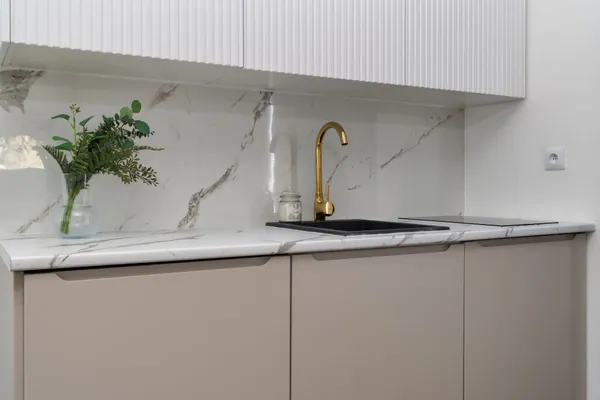
New floors need strong dry vacuuming to remove construction dust first, then washing with water before disinfection.
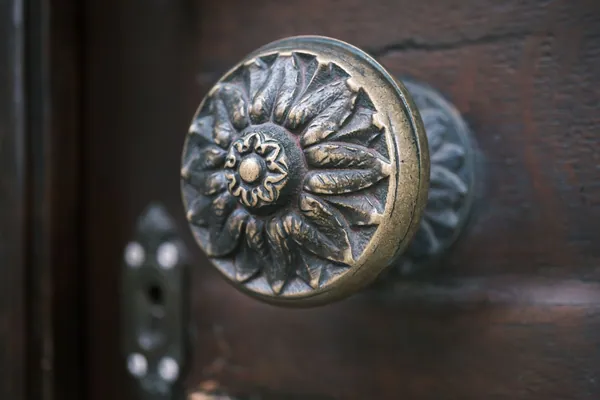
Door handles, taps and new surfaces need cleaning from dust and building sediment before disinfection.
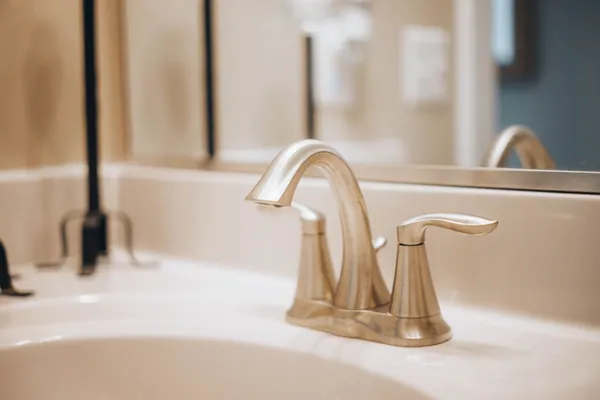
New drains and grout need washing from building sediment and cement before disinfecting so product reaches the clean surface.
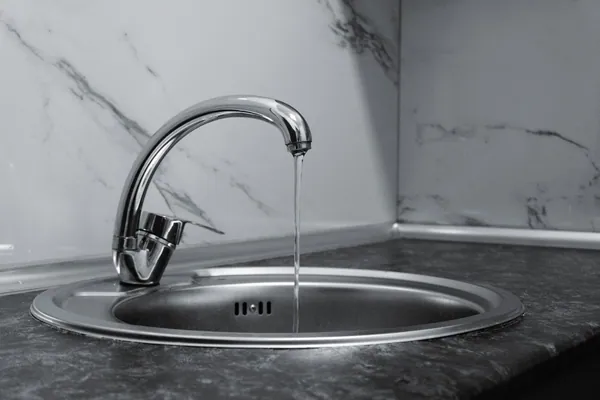
Kitchen and bathroom taps and surfaces need cleaning from construction dust and residual dampness before disinfection.
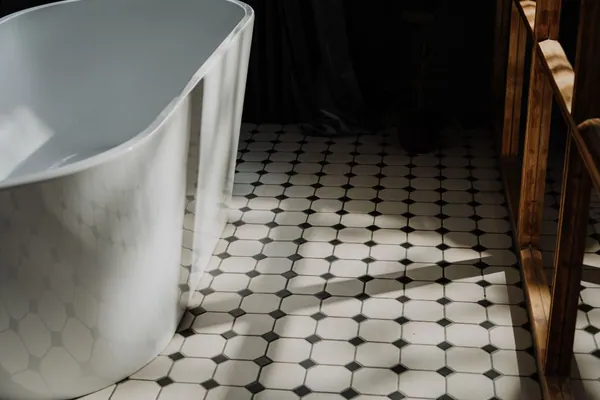
All drains and grout lines need special treatment because new pipework may carry contractor residue and building debris.
Post-disinfection ventilation must run long, with windows opened away from neighbouring vacant plots so construction dust does not return.
A move-in, an illness and an after-party aren't the same job.
Grime and grease shield what's under them.
A disinfectant has to stay wet on the surface to work.
Handles, switches, taps and rails are done by hand because they carry the most and need direct contact that fogging alone doesn't give.
Once the hard surfaces are done, a fine fog reaches the air, the fabrics and the corners a cloth can't, settling over what hand-wiping misses.
We open up and air the rooms, then walk the home with you before leaving.
New development: ongoing construction and vacant plots between the homes
In a newly built district like this, disinfection begins with battling construction dust and new foundation dampness: the disinfectant cannot work until dust is scrubbed hard first, and results do not last until the foundations have dried out.
The common mistake is spraying disinfectant over dirt.
The company runs a large crew, and we send a team rather than one person.
The foggers and the products come with the team.
If what you need is deep cleaning or mould work rather than disinfection, we tell you.
Photographs from real jobs carried out by the crew.












The commitment is simple enough to actually keep: we don't leave until you've seen the result and had your say on it.
South Jeddah runs from the port and the industrial city down towards Al Khumrah, and homes here sit between the sea and the heavy goods roads. The dust is darker and oilier than in the north, a mix of diesel soot and workshop grit, and it clings to net curtains, window sills and the tops of kitchen cupboards. Floors in the older low rise housing are often plain cement or ceramic tile that darkens where soot is walked in. Humidity from the coast adds mildew in bathrooms and a musty smell in stored fabrics.
We provide these in Wadi Mareekh too, and more than one can share a single visit.



