
Clean first, then disinfect
The common mistake is spraying disinfectant over dirt.
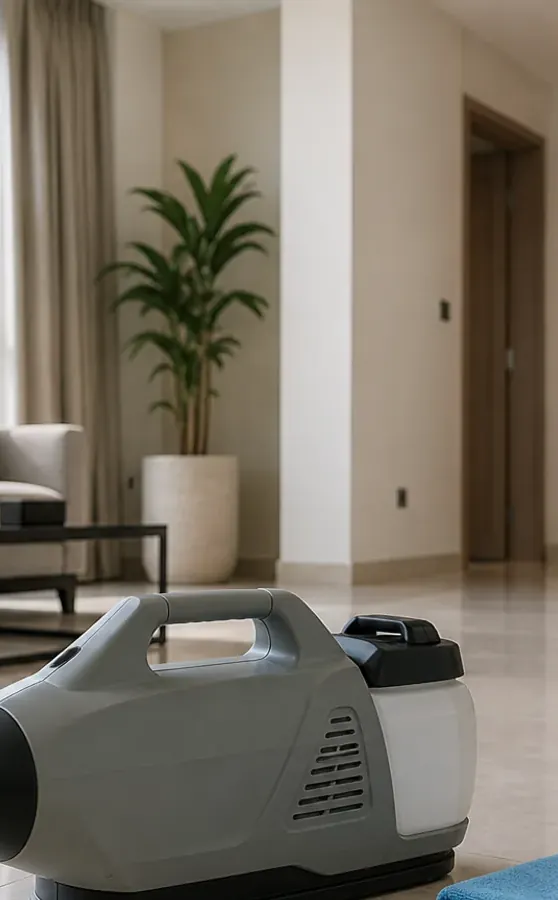
Al Shati sits directly on the Jeddah Corniche, a waterfront district of hotels, villas and serviced apartments facing the Red Sea. Salt air settles on everything all year long, and moisture keeps surfaces and fabrics slightly damp constantly. Disinfection here is entirely different from inland districts because the disinfectant itself must first penetrate through layers of salt buildup and corrosion before it can work.
Salt settles on glass as a thick film that plain water spreads rather than removes, and it works into metal frames and outdoor fabrics, leaving fine white lines under every dry spot. For the method itself, see what disinfection and sanitisation involves.
Layers of salt on glass, metal and fabric shield what lies beneath, so disinfectant cannot reach the surface to treat it. Deep cleaning that removes the salt first is essential, because spraying disinfectant over old salt just leaves the bacteria protected underneath it.
Coastal humidity keeps carpets and curtains slightly moist at all times, making them a live environment for bacteria and mould. Disinfection must reach deep into the fabric, not just the surface, and may need extra drying time afterward.
Salt and dissolved minerals in the air deposit quickly on taps, mirrors and glass. This scale protects bacteria underneath it, so cleaning the scale away before disinfection is essential to expose the surface.
A coastal area directly on the sea under constant salt air and high humidity, home to tourism landmarks, dense residential complexes, and commercial frontage on the seafront.
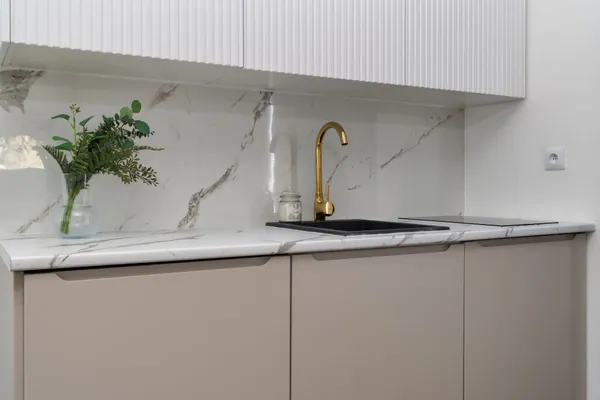
Coastal cleaning must remove layers of salt, moisture and mould before any disinfectant is applied, because accumulated salt blocks the treatment from working.
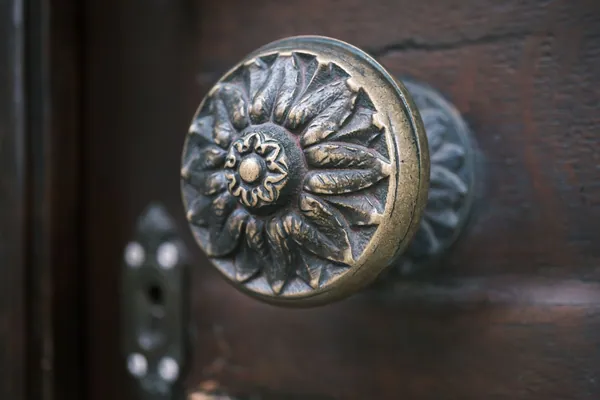
High touch surfaces here are railings, doors, switches and stairs, all corroded by salt and needing separate deep cleaning then disinfection work.
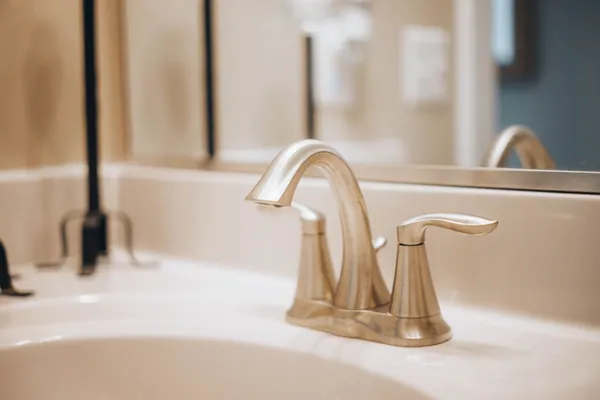
Coastal bathrooms hold high moisture, and scale deposits on taps and shower fittings fast, needing daily salt removal before disinfection can take place.
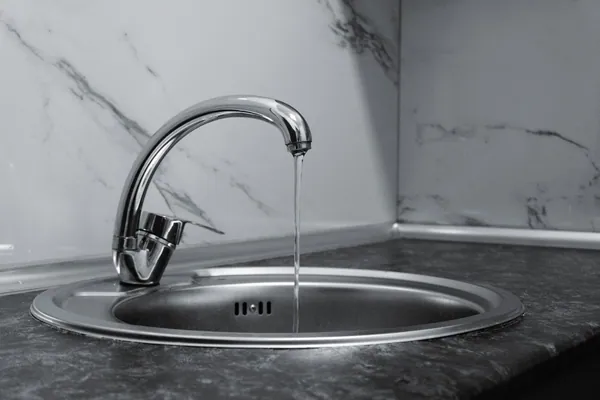
The coastal kitchen gathers moisture from cooking and salt from the air. Work surfaces need deep cleaning of salt and mould before disinfection work can begin.
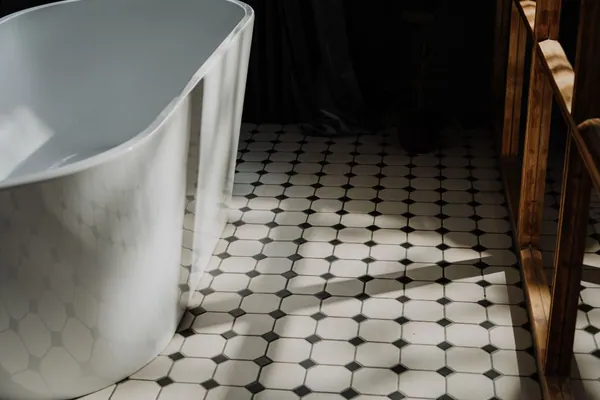
Coastal drains fill with salt and mineral deposits rapidly. Deep cleaning of drains and grout lines is necessary before disinfection, because the treatment cannot penetrate heavy scale buildup.
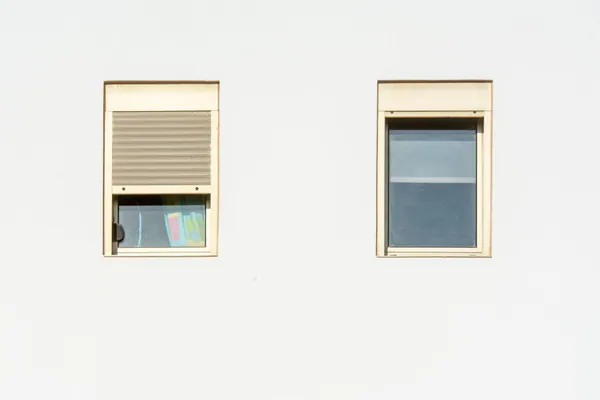
Ventilation after disinfection is critical here because coastal humidity slows drying of the treatment. Windows may need two hours or more open to fully dry the space.
A move-in, an illness and an after-party aren't the same job.
Grime and grease shield what's under them.
A disinfectant has to stay wet on the surface to work.
Handles, switches, taps and rails are done by hand because they carry the most and need direct contact that fogging alone doesn't give.
Once the hard surfaces are done, a fine fog reaches the air, the fabrics and the corners a cloth can't, settling over what hand-wiping misses.
We open up and air the rooms, then walk the home with you before leaving.
The common mistake is spraying disinfectant over dirt.
The company runs a large crew, and we send a team rather than one person.
The foggers and the products come with the team.
If what you need is deep cleaning or mould work rather than disinfection, we tell you.
Photographs from real jobs carried out by the crew.












The commitment is simple enough to actually keep: we don't leave until you've seen the result and had your say on it.
Coastal area: high humidity and salt air through the year
Coastal means salt and humidity are not an option but a constant in every corner, so the disinfectant must be strong enough to penetrate the salt and mould barrier, and gentle enough to protect metal and fabric from further corrosion.
We provide these in Al Shati too, and more than one can share a single visit.



