
Clean first, then disinfect
The common mistake is spraying disinfectant over dirt.
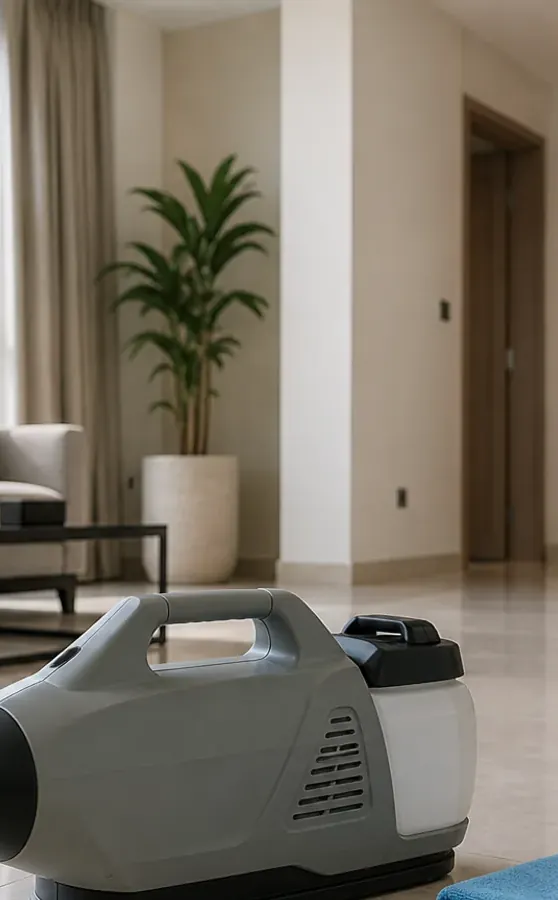
Kilo 18 is an industrial zone on the Old Makkah Road at Jeddah's far southeastern edge, with warehouses, loading bays and storage operations. Pollution here is different in kind: heavy oils from industrial activity and metal dust, far harsher than city dust, so disinfection requires different pre-cleaning before it can work at all.
Heavy oils from truck workshops and factories deposit on surfaces and around doorways, and they block disinfectant from working unless scrubbed hard first with industrial cleaners. For the method itself, see how we approach disinfection and sanitisation.
Diesel and machinery oils do not dissolve in water. If we start disinfecting without removing these oils first using industrial strength cleaner, the disinfectant fails entirely because it cannot penetrate grease.
Dust from cutting and metalworking shops contains fine metal particles that scratch surfaces and leave rust marks. Pre-cleaning must remove this dust using a high-powered vacuum so it does not leave traces.
Drains in industrial areas carry thick greases and industrial residue. Disinfecting them requires removing these materials with strong solvent first, then chemical disinfection after so the product reaches clean surfaces.
An industrial and storage belt on the Old Makkah Road at the southeastern boundary of Jeddah governorate near Bahrah, part of a chain of industrial activity stretching along the route.
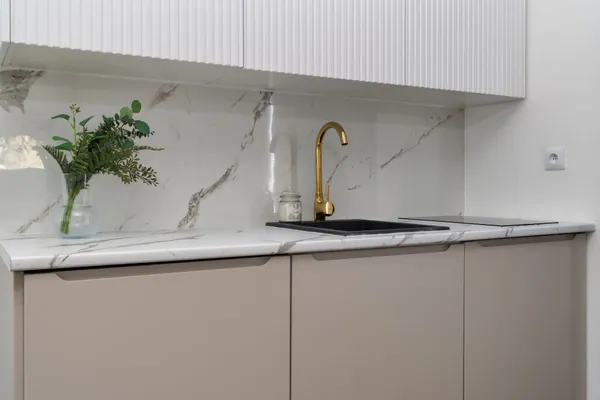
Floors need strong vacuuming to remove metal dust and fine oil particles, then washing with industrial cleaner before any disinfection begins.
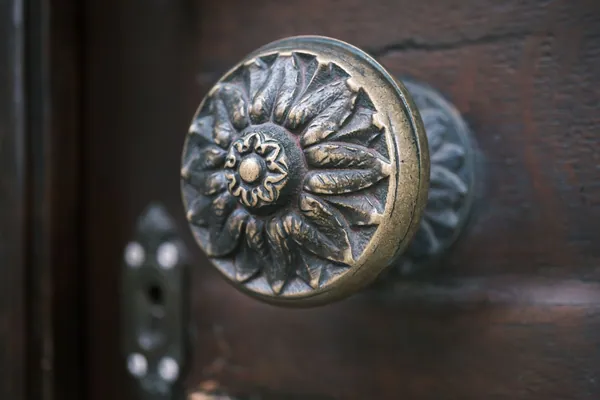
Door handles, taps and all surfaces need cleaning from heavy oils using a special solvent, then brushing and disinfection until actually clean.
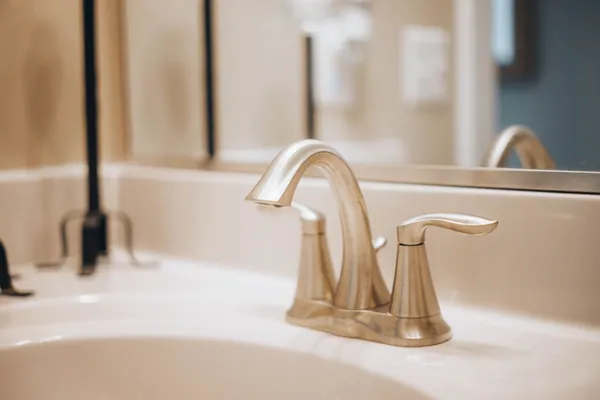
Drains and grout lines need industrial cleaner first to remove greases, then strong disinfection because industrial contamination here is severe.
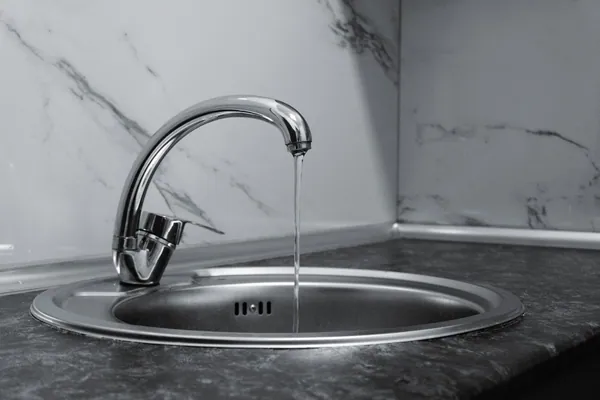
Kitchen surfaces and taps need cleaning from industrial oil residue before disinfecting so the product reaches the bare surface.
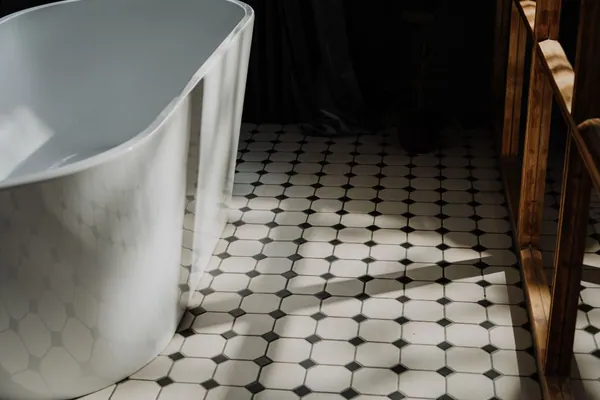
All drains and grout around floors and walls need separate industrial cleaning before chemical disinfection can begin.
Ventilation after disinfection is essential to clear fumes from industrial cleaners, and windows stay open for several hours.
A move-in, an illness and an after-party aren't the same job.
Grime and grease shield what's under them.
A disinfectant has to stay wet on the surface to work.
Handles, switches, taps and rails are done by hand because they carry the most and need direct contact that fogging alone doesn't give.
Once the hard surfaces are done, a fine fog reaches the air, the fabrics and the corners a cloth can't, settling over what hand-wiping misses.
We open up and air the rooms, then walk the home with you before leaving.
The common mistake is spraying disinfectant over dirt.
The company runs a large crew, and we send a team rather than one person.
The foggers and the products come with the team.
If what you need is deep cleaning or mould work rather than disinfection, we tell you.
Photographs from real jobs carried out by the crew.












The commitment is simple enough to actually keep: we don't leave until you've seen the result and had your say on it.
Industrial area: workshops, warehouses and loading yards
In an industrial zone like this, disinfection begins with fighting heavy oils and severe industrial pollutants; the disinfectant cannot work until these contaminants are scrubbed hard first using special industrial cleaning products.
We provide these in Kilo 18 too, and more than one can share a single visit.



