
Clean first, then disinfect
The common mistake is spraying disinfectant over dirt.
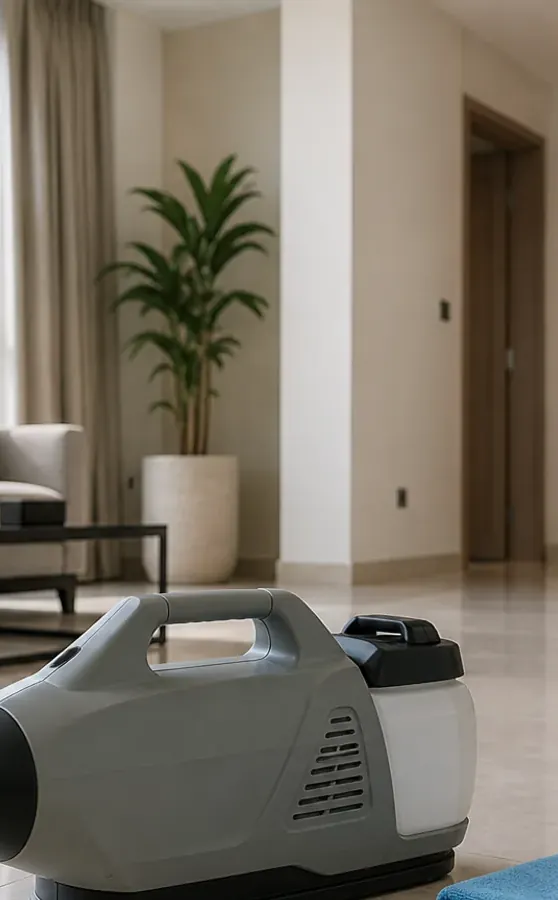
Al Furqan is a subdivision of Obhur Al Shamaliyah in north Jeddah, a newly developing district with recently released land and new housing stock. Construction continues and vacant plots surround occupied homes, meaning construction dust, grit and concrete particles enter new homes constantly and unavoidably. Disinfection here requires understanding construction contaminants as a priority before addressing biological hazards, because the home is newly built and dust is an external ongoing problem.
New residents in Al Furqan notice that construction dust enters the new home with every step, and windows and surfaces become grey within days of moving in, never returning to new condition despite daily cleaning. For the method itself, see the full disinfection and sanitisation page.
Vacant plots and building sites around the district release fine cement dust and coarse grit daily into homes through windows, doors and footwear. It settles on every surface and accumulates faster than in established areas.
New furniture, new windows and recently laid floors become grey with construction dust within weeks. Disinfection will not clean them if they are not cleaned first, because dust blocks the product entirely.
Building dust and grit do not result from daily living but from the developing external environment. Disinfection requires a different cleaning foundation before any biological treatment is attempted.
A subdivision within the newest plans of the northern Jeddah extension, with recently released land and newly built housing, where the environment is still under active development with ongoing building and services in advanced stages.
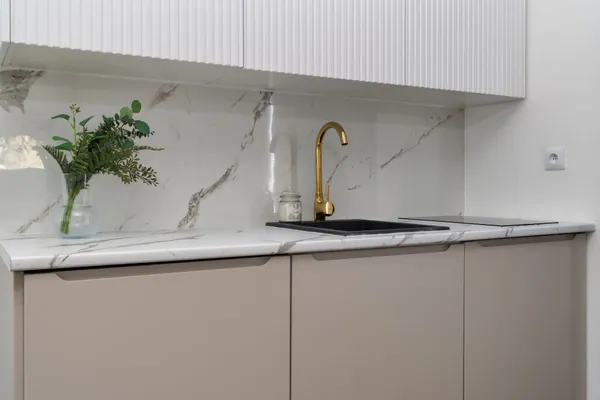
Cleaning before disinfection in Al Furqan must prioritise removal of construction dust and grit before any other treatment begins.
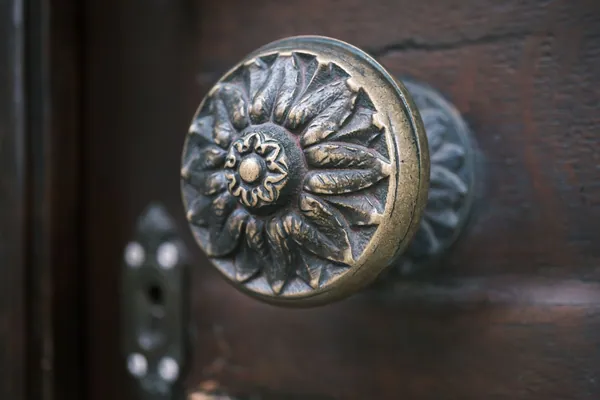
High-touch surfaces in new homes may carry construction dust and need manual cleaning before disinfection is applied.
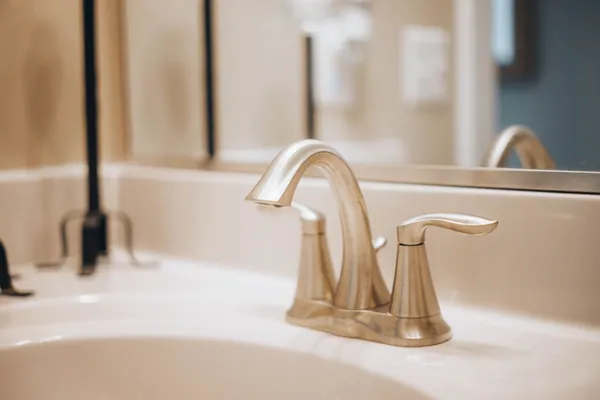
New bathrooms may contain residue from building materials and finishing work, needing thorough cleaning before treatment.
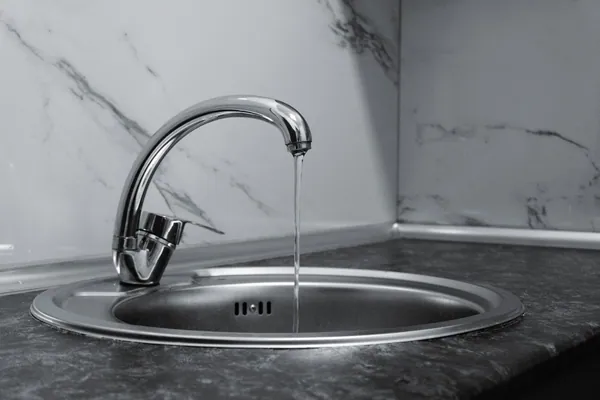
A new kitchen may carry construction dust on food preparation surfaces, requiring vigorous cleaning before disinfectant application.
Drains and grout lines in a new home may hold building residue and mortar dust, needing separate cleaning attention.
Ventilation after treatment is important, and windows should remain open for extended periods until disinfectant has dried and fresh air circulates fully.
A move-in, an illness and an after-party aren't the same job.
Grime and grease shield what's under them.
A disinfectant has to stay wet on the surface to work.
Handles, switches, taps and rails are done by hand because they carry the most and need direct contact that fogging alone doesn't give.
Once the hard surfaces are done, a fine fog reaches the air, the fabrics and the corners a cloth can't, settling over what hand-wiping misses.
We open up and air the rooms, then walk the home with you before leaving.
The common mistake is spraying disinfectant over dirt.
The company runs a large crew, and we send a team rather than one person.
The foggers and the products come with the team.
If what you need is deep cleaning or mould work rather than disinfection, we tell you.
Photographs from real jobs carried out by the crew.












The commitment is simple enough to actually keep: we don't leave until you've seen the result and had your say on it.
New development: ongoing construction and vacant plots between the homes
A new development means primary contaminants here are construction and building residue, not accumulated living residue. Disinfection requires an approach where removing construction dust is the foundation, and new furniture and textiles may need initial separate handling before household-wide disinfection treatment begins.
We provide these in Al Furqan too, and more than one can share a single visit.



