
Clean first, then disinfect
The common mistake is spraying disinfectant over dirt.
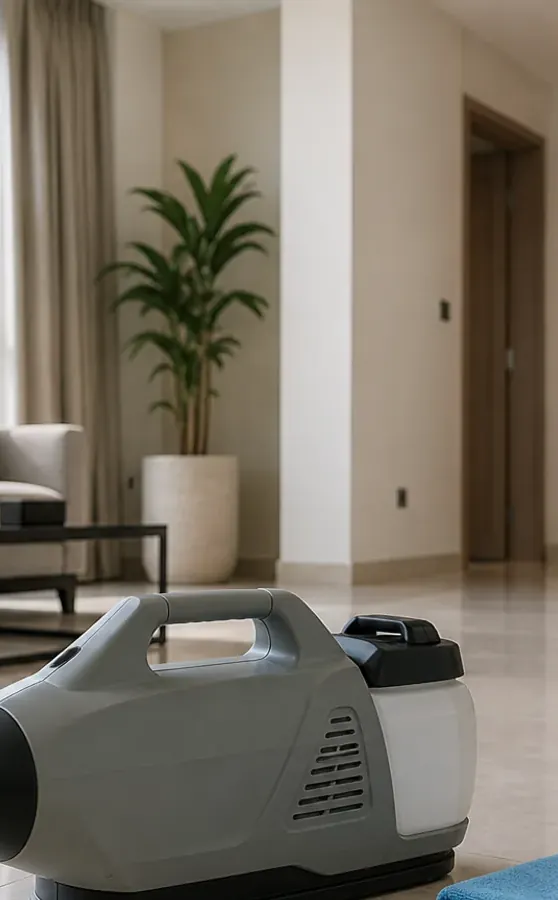
Al Zuhour is a new development in the Obhur Al Shamaliyah subdivision in north Jeddah, with ongoing construction and vacant plots between newly built homes. Fine sand enters with every footstep and breeze, sprinkler spray leaves chalky rings on tile and marble near the doors, and soft furnishings and new furniture soil quickly from dust and airborne moisture from surrounding development.
New villas here soil rapidly from fine sand and moisture, and new flooring shows irrigation stains and dust marks clearly, requiring regular attention to maintain appearance. For the method itself, see our disinfection and sanitisation service in detail.
Open land and ongoing construction around Al Zuhour send fine light sand with every breeze and carried on shoes. New homes with wide windows and glass doors allow sand to enter easily, settling on every flat surface and corner. Disinfection must remove this sand layer first or it shields the surfaces from chemical contact.
Small gardens and courtyards have irrigation systems that spray and dry, leaving white chalky mineral rings on tile and marble near external doors. These rings build quickly with ongoing watering, especially near home entrances. Cleaning must remove these deposits before disinfection, as the mineral layer prevents product from reaching the surface underneath.
New upholstery, curtains and soft furnishings in these homes absorb airborne moisture from gardens and surrounding construction, and sand settles into fabric. Textiles need separate cleaning before disinfection because the trapped moisture and sand shield disinfectant from bacteria living in the material.
A new urban tract in north Jeddah where residential land and housing are still being released and built, exposed to dust and moisture drift from active construction, with main roads linking the area to key Jeddah routes.
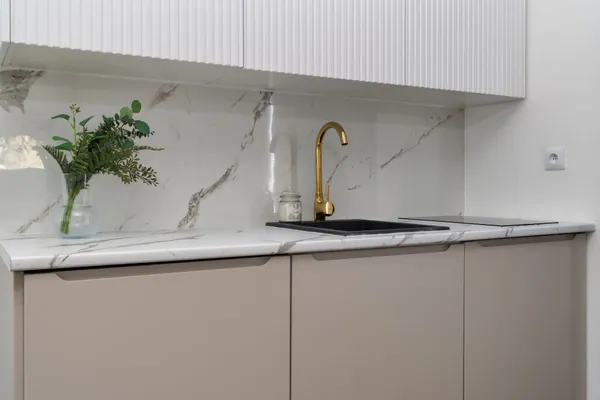
New surfaces are coated with fine sand and construction dust, so initial cleaning must remove these layers completely before any disinfectant contact begins.
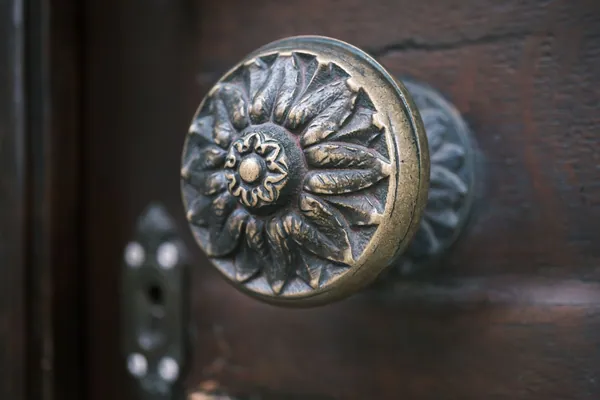
New taps, handles and door frames carry sand and construction dust, requiring cleaning before any treatment reaches surfaces that need protection.
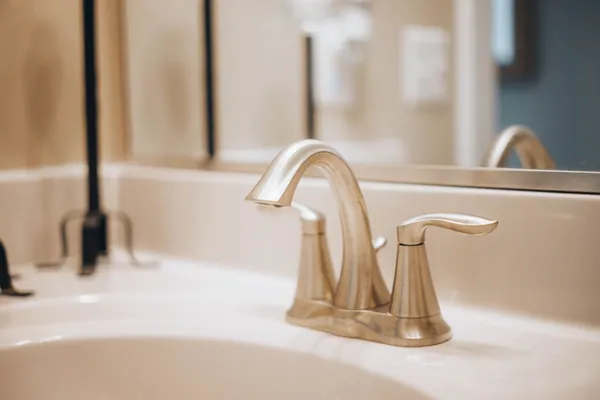
Bathroom drains and sinks may hold sand from construction or residue from workers, so thorough cleaning is essential before disinfection works on the actual surfaces.
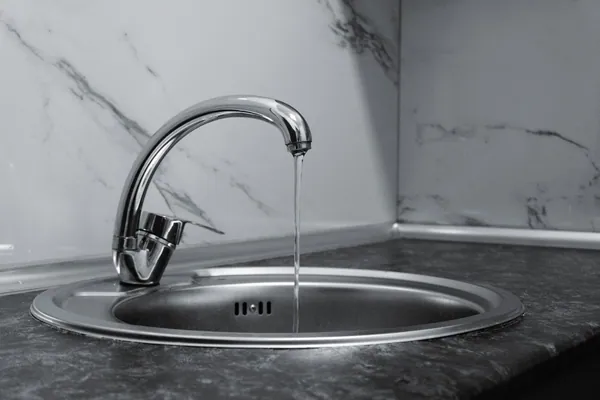
New kitchen surfaces are clean but may carry construction dust or installation residue, and initial cleaning removes all traces of the building phase before treatment.
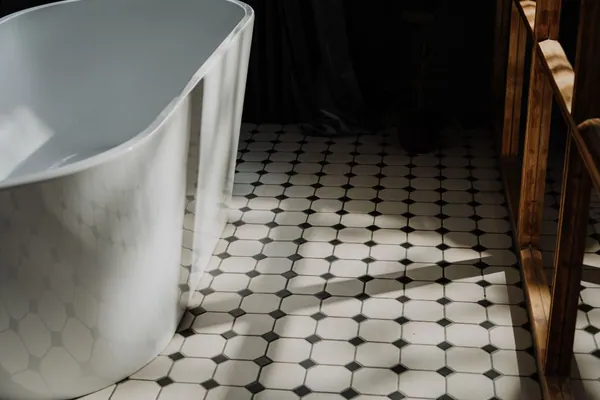
Drains and grout lines may contain sand or traces of construction cement, so cleaning must remove all building debris before disinfectant can reach where bacteria hide.
Ventilation after disinfection must dry moisture from irrigation and construction humidity, and new homes often need longer air circulation time than established properties to evaporate trapped dampness fully.
A move-in, an illness and an after-party aren't the same job.
Grime and grease shield what's under them.
A disinfectant has to stay wet on the surface to work.
Handles, switches, taps and rails are done by hand because they carry the most and need direct contact that fogging alone doesn't give.
Once the hard surfaces are done, a fine fog reaches the air, the fabrics and the corners a cloth can't, settling over what hand-wiping misses.
We open up and air the rooms, then walk the home with you before leaving.
New development: ongoing construction and vacant plots between the homes
A new development means sand and dust enter continuously from open land and active building around homes. Disinfection here must prioritise removing sand and drying moisture first, before chemical treatment reaches bacterial populations.
The common mistake is spraying disinfectant over dirt.
The company runs a large crew, and we send a team rather than one person.
The foggers and the products come with the team.
If what you need is deep cleaning or mould work rather than disinfection, we tell you.
Photographs from real jobs carried out by the crew.












The commitment is simple enough to actually keep: we don't leave until you've seen the result and had your say on it.
North Jeddah is largely newer villa districts and compounds around Obhur and inland from it. Homes here tend to have marble or porcelain floors, large windows and a garden or courtyard, so the routine is set by what comes in from outside: fine sand carried on sandals, and sprinkler spray that dries to a chalky ring on tiles. Near the creek and the coast, sea air leaves a faint salt film on glass and on outdoor cushions, which stiffens fabric. Curtains and upholstery in these open plan rooms catch the dust that settles overnight.
We provide these in Al Zuhour too, and more than one can share a single visit.



