Disinfection and Sanitisation in Al Baghdadiyah West

Disinfection and Sanitisation in Al Baghdadiyah West, Jeddah

Al Baghdadiyah West sits between the Arbaeen Lagoon and Al Hamra Corniche, where salt air and persistent moisture penetrate the older apartment blocks throughout the year. Disinfection here must address not just surface contamination but salt deposits and moisture trapped in fabrics and building fabric that inland districts do not face.

  • A full team, not one person
  • Price agreed before we start
  • Foggers and products we bring
  • Reworked in the same visit

What changes about disinfection and sanitisation in Al Baghdadiyah West

Salt and moisture layers build up on surfaces faster than inland, and soft furnishings hold sea air smell long after routine cleaning, trapping odour deep in the fibres. For the method itself, see how we approach disinfection and sanitisation.

  • The first reason

    Salt and moisture embedded in soft furnishings

    Salt-laden air deposits fine layers on curtains, sofas and mattresses, making them feel damp even on dry days. Disinfectant must penetrate these fabrics, not just wipe the surfaces. Textiles here need longer contact time and targeted spray, not general misting, to reach trapped moisture and bacteria.

  • The second reason

    Metal corrosion and rust marks on old pipework

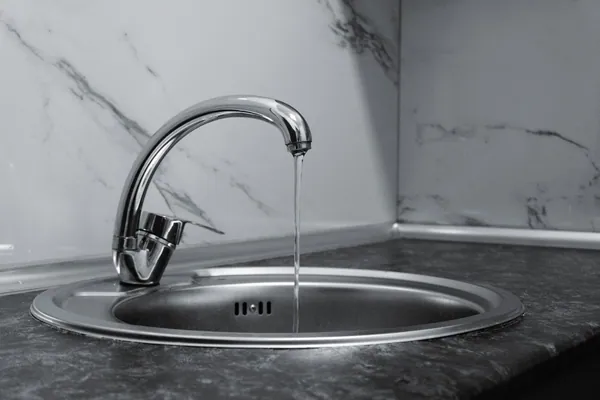
    Old metalwork in coastal buildings corrodes quickly from salt and humidity, leaving rust staining around taps and drains that builds over years. Disinfection kills bacteria but rust needs separate cleaning first to expose clean metal before any chemical treatment begins.

  • The third reason

    Narrow gaps and sealed corners trap moisture pockets

    Older buildings have tight gaps between flooring and walls where sea moisture condenses and pools overnight. These tiny spaces become mould breeding grounds, unreachable by general spray, requiring targeted treatment and longer contact time to penetrate.

What disinfection and sanitisation covers in Al Baghdadiyah West

Apartment buildings and older blocks on flat coastal ground between Madinah Road and Port Bridge Road are continuously exposed to salt-laden air and high humidity that penetrate indoors.

  • Cleaning before disinfecting

    Cleaning before disinfecting

    Coastal surfaces carry a layer of salt spray and sea dust before we start, so initial cleaning must remove these deposits completely before any disinfectant can work properly.

  • The surfaces hands touch most

    The surfaces hands touch most

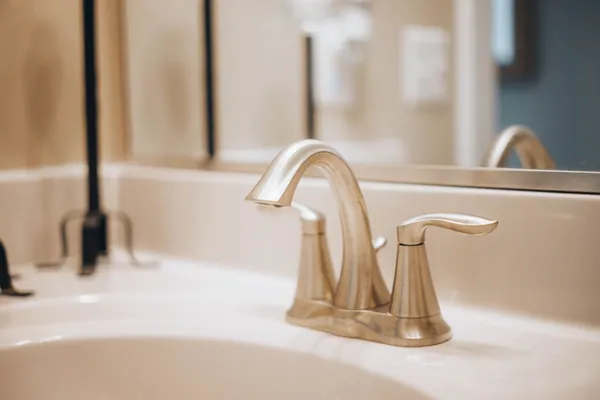
    Handles, taps and door frames accumulate salt-accelerated bacteria much faster than inland, making them the highest priority surfaces to treat.

  • Bathroom taps and handles

    Bathroom taps and handles

    Bathroom drains and sink traps hold salt minerals and moisture sediment from tap water, concentrated by evaporation, creating bacteria reservoirs that surface spray alone cannot reach.

  • Kitchen and food surfaces

    Kitchen and food surfaces

    Kitchen surfaces here face salt air on top of cooking grease and dust, requiring deeper pre-cleaning to expose what the disinfectant must contact.

  • Drains and grout lines

    Drains and grout lines

    Grout lines and drain edges trap moisture and salt crystals together, especially in bathrooms where humidity stays high, becoming sealed pockets that need targeted treatment.

  • Contact time, then ventilation

    Contact time, then ventilation

    Ventilation must run longer to evaporate trapped moisture from walls and furnishings before the home is truly dry, not just until surfaces feel dry to touch.

Not included

  • Deep cleaning of heavy grease, clutter or built-up stains, a separate service
  • Mould remediation inside walls, ceilings or plumbing
  • Pest treatment, a different service with different materials
  • Medical-grade sterilisation of instruments or equipment

How disinfection is actually done

  1. 1

    We ask what happened, then plan for it

    A move-in, an illness and an after-party aren't the same job.

  2. 2

    Clean the surface before disinfecting

    Grime and grease shield what's under them.

  3. 3

    Contact time, not just a wipe

    A disinfectant has to stay wet on the surface to work.

  4. 4

    High-touch points by hand

    Handles, switches, taps and rails are done by hand because they carry the most and need direct contact that fogging alone doesn't give.

  5. 5

    Fog the air and soft furnishings

    Once the hard surfaces are done, a fine fog reaches the air, the fabrics and the corners a cloth can't, settling over what hand-wiping misses.

  6. 6

    Ventilate, then walk it with you

    We open up and air the rooms, then walk the home with you before leaving.

The character of Al Baghdadiyah West

Coastal area: high humidity and salt air through the year

Coastal means persistent moisture and salt in every breath of air, so disinfection must work against bacteria that thrive in damp conditions. Fabrics and tight corners become havens for mould and trapped humidity, needing targeted application and extended contact time, not just general disinfectant spray.

Why us for this service in particular

Clean first, then disinfect

The common mistake is spraying disinfectant over dirt.
A full team arrives together

The company runs a large crew, and we send a team rather than one person.

Our foggers and products

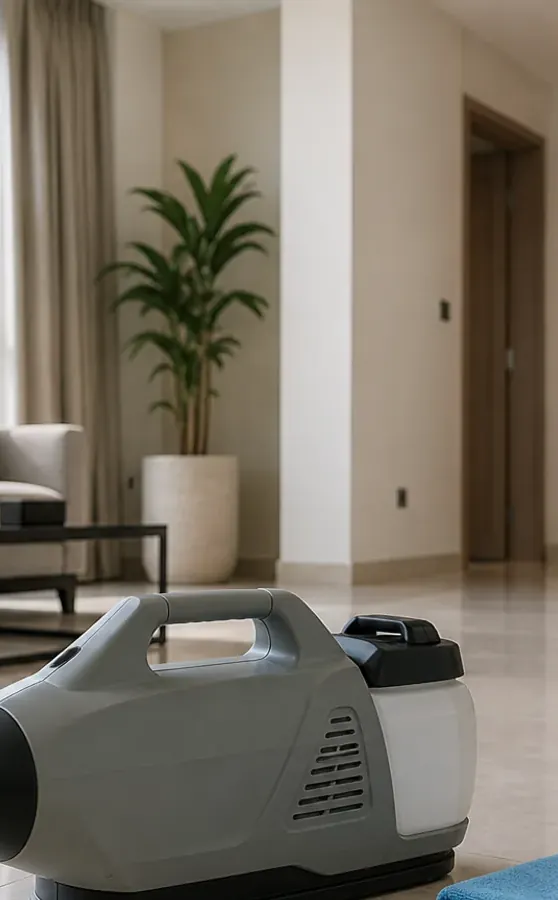
The foggers and the products come with the team.

We say no when it's no

If what you need is deep cleaning or mould work rather than disinfection, we tell you.

From our work

Photographs from real jobs carried out by the crew.

A bedroom after a full clean
Bedroom at handover
Majlis carpet after washing
Majlis after washing
A majlis after a full clean
Majlis after cleaning
A living room after cleaning
Living room after cleaning
A sitting room after cleaning
Sitting room
A folded towel on a table
The small details
A tidy bedroom after service
Bedroom made up
Mopping a marble floor during work
Marble floors
Washing a stone entrance
Exterior entrances
Cleaning a commercial floor
Commercial floor
Making the bed during work
Bed made
A jacuzzi after descaling
Jacuzzi after cleaning

The job isn't closed until you approve it

The commitment is simple enough to actually keep: we don't leave until you've seen the result and had your say on it.

Landmarks of Al Baghdadiyah West

Al Baghdadiyah West between the Arbaeen Lagoon and Al Hamra Corniche requires access routes through Madinah Road and Port Bridge Road. Homes near the corniche face year-round salt air and need disinfection focused on moisture damage and salt residue that builds on surfaces nowhere else in the city.

  • Arbaeen Lagoon
  • Al Hamra Corniche
  • Madinah Road
  • Port Bridge Road
  • Al Juffali Mosque

Questions about disinfection and sanitisation in Al Baghdadiyah West

Does salt from the air return immediately after disinfection?

Salt continues to enter from the surrounding air, but disinfection removes bacteria and mould that grow on old salt layers. Proper ventilation after treatment helps dry new moisture forming. Coastal areas need ongoing attention to moisture control throughout the year, not just one treatment.

Do sofas and curtains need separate treatment from walls?

Yes. Textiles hold salt and moisture far longer than hard surfaces, so disinfection requires longer contact time and closer spraying for fabrics. Some delicate materials need hand application instead of direct spray to avoid damage and ensure the product reaches deep fibres.

Will mould smell in upholstery disappear with disinfection alone?

Mould smell comes from trapped moisture and bacteria together. Disinfection kills the bacteria but extended ventilation and complete drying removes the smell. Heavily used sofas may need several hours of air circulation to dry the interior fully and stop odour returning.

Do bathroom drains need special attention in coastal homes?

Yes. Drains here accumulate salt, moisture and bacteria faster than inland homes. Disinfection includes deep cleaning inside the drain itself and chemical treatment of the trap. Old mineral deposits may need mechanical cleaning first before any chemical can work effectively.

When can the home be safely used after disinfection?

After contact time and full ventilation complete, the home is safe. Coastal areas need longer airing to dry accumulated moisture from walls and floors thoroughly. We will confirm the safe time to return once all ventilation is done and surfaces are dry.

Does a coastal home need more frequent disinfection than inland?

Yes. Salt air and high humidity speed up bacterial growth, so coastal homes benefit from more frequent treatment. During high humidity months, every two months may be better than every three. Moisture accelerates what disinfection stops, so prevention through regular treatment works better here.

Is this the same as deep cleaning?

No. Deep cleaning removes built-up dirt, grease and stains. Disinfection reduces germs on surfaces that are already clean. We clean the surface as part of disinfecting, but heavy build-up is a separate deep-clean job, and we'll say so if that's what you need.

Can you disinfect after someone has been ill?

Yes, and it's one of the more common reasons people call. We focus on the high-touch points and shared surfaces where illness lingers, clean them first, then treat with contact time. Tell us which rooms the person used most so we concentrate there.

How much does disinfection and sanitisation in Al Baghdadiyah West cost?

It is set after the inspection, because it follows the size of the job, the materials involved and their condition. Send photos on WhatsApp and we will give you an estimate before we reach Al Baghdadiyah West.

Other services in Al Baghdadiyah West

We provide these in Al Baghdadiyah West too, and more than one can share a single visit.

Disinfection and Sanitisation in districts near Al Baghdadiyah West

Need disinfection and sanitisation in Al Baghdadiyah West?

We reach Al Baghdadiyah West at a time we agree, and you get the full cost before we start.

Call WhatsApp