
Clean first, then disinfect
The common mistake is spraying disinfectant over dirt.
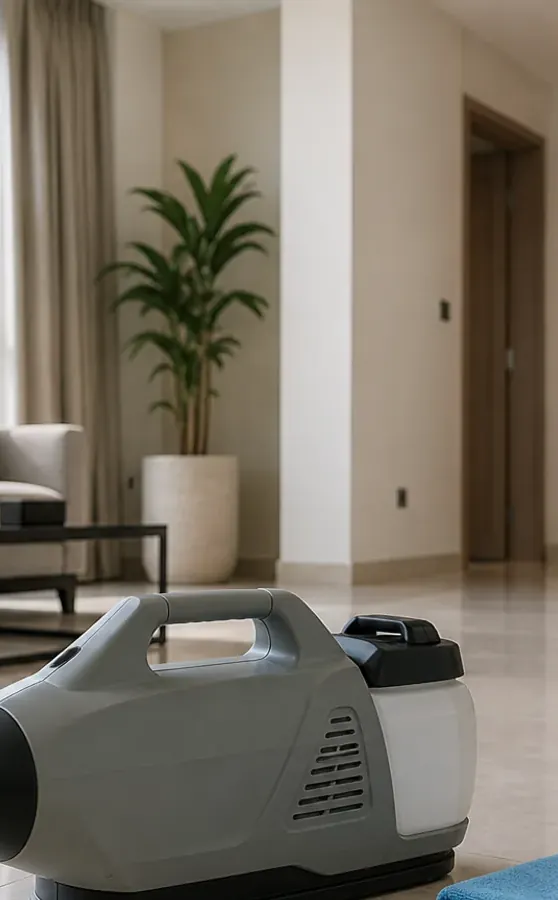
Al Mazloom is a historic quarter with close-set buildings, narrow lanes and heritage stone and timber structures, so air moves slowly and moisture pools between the close walls. Disinfection here is not a quick spray but a deliberate process that takes longer, and ventilation is difficult, so the whole approach differs from newer districts.
Floors here are terrazzo and old smooth ceramic, worn by centuries of use and easily marked by cooking grease that rises from the street, and stone surfaces absorb dampness readily. For the method itself, see what disinfection and sanitisation involves.
Stone buildings and old timber elements are sensitive to harsh chemical disinfectants that can damage original fabric. We select a product safe on stone and timber, leaving it for shorter contact time than modern homes and working carefully to avoid harm to historic features.
Tight lanes and close buildings prevent free air movement, so humidity stays trapped. Drains, grout lines and corners under windows accumulate heavy mould, and need special treatment before full disinfection.
The narrow lane traps grease and dust, which rises with hot air to surfaces. Old smooth terrazzo floors are marked easily, and cleaning before disinfection requires extra effort to remove layers of trapped grease before the disinfectant can work.
One of four historic quarters inside the walls of old Jeddah, with heritage stone and timber houses, Al Shafii Mosque and Souk Al Jami, a dense old-town fabric with narrow pedestrian streets.
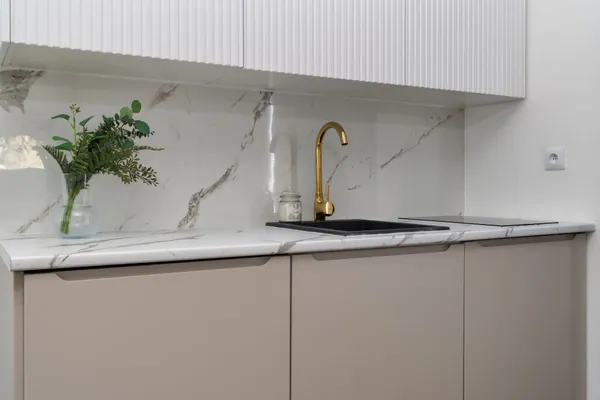
Terrazzo and old ceramic floors need careful cleaning that does not scratch them, followed by disinfection with a product safe on stone and original materials.
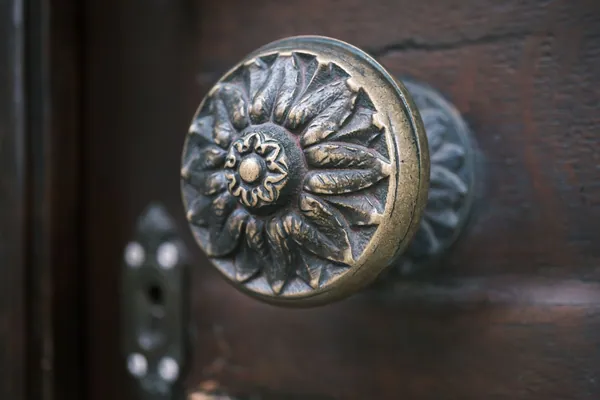
Taps and handles on bronze, copper and old iron need careful rust removal before disinfecting, not aggressive treatment that spreads corrosion further.
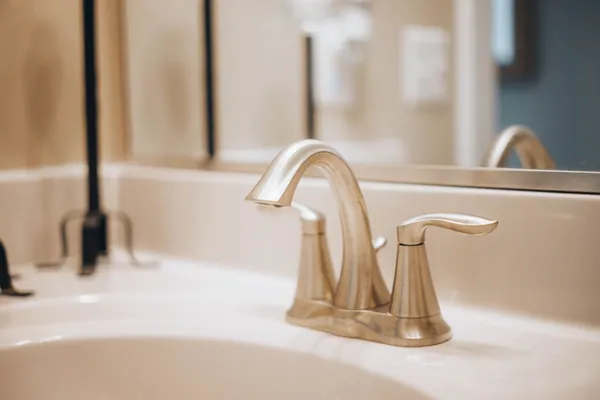
Old drains and grout lines between tiles need deep cleaning from mould before disinfection, because mould here sits on old deep-set foundations.
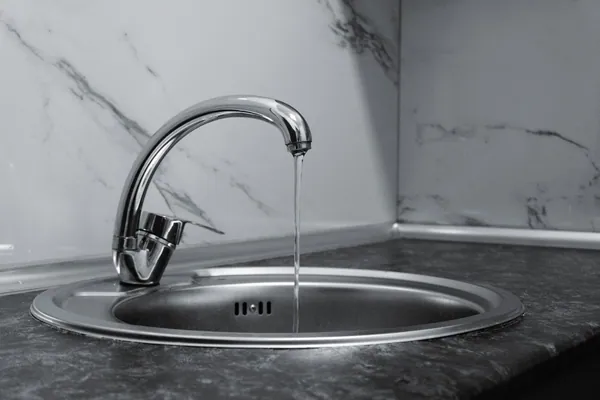
Stone kitchen surfaces, marble and timber need careful cleaning of old cooking grease before disinfecting, so the product does not react negatively with the stone.
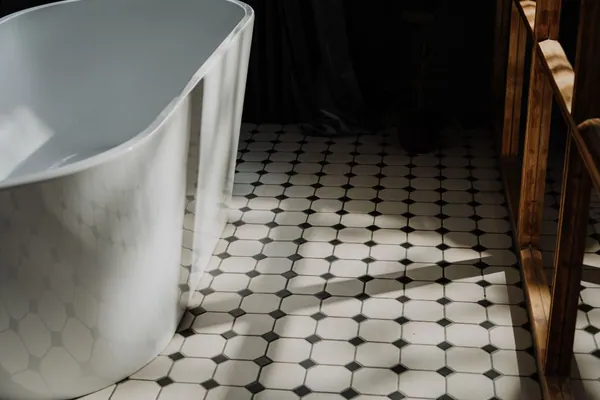
All drains and grout lines need gentle special handling because old cement and filler may crumble from disinfectant that is too aggressive.
Ventilation after disinfection takes longer in the narrow lane, and we recommend opening windows at night when air movement is better.
A move-in, an illness and an after-party aren't the same job.
Grime and grease shield what's under them.
A disinfectant has to stay wet on the surface to work.
Handles, switches, taps and rails are done by hand because they carry the most and need direct contact that fogging alone doesn't give.
Once the hard surfaces are done, a fine fog reaches the air, the fabrics and the corners a cloth can't, settling over what hand-wiping misses.
We open up and air the rooms, then walk the home with you before leaving.
Historic district: close-set buildings, narrow lanes and ageing services
In a historic old-town district like this, disinfection is not a standard job but a conservation process: safe products, shorter contact time, care around original stone and timber, with focus on deep-set mould without harming heritage fabric.
The common mistake is spraying disinfectant over dirt.
The company runs a large crew, and we send a team rather than one person.
The foggers and the products come with the team.
If what you need is deep cleaning or mould work rather than disinfection, we tell you.
Photographs from real jobs carried out by the crew.












The commitment is simple enough to actually keep: we don't leave until you've seen the result and had your say on it.
Central Jeddah is the old heart of the city: Al Balad with its coral stone houses, and the dense apartment quarters around it with shops beneath the flats. Floors here are often terrazzo or older ceramic tile, worn smooth and easily stained by cooking grease that drifts up from the street. Older kitchens and bathrooms carry heavy scale on taps and around drains, and pipework in the older blocks leaves rust marks in basins. Rugs and curtains take on the fine black dust of the main roads, so they need washing more often than elsewhere.
We provide these in Al Mazloom too, and more than one can share a single visit.



