
Clean first, then disinfect
The common mistake is spraying disinfectant over dirt.
Al Salamah is a mixed residential and commercial district in northern Jeddah, home to villas, apartment blocks and small offices. Residents, workers and visitors move through these shared spaces daily, and high-touch surfaces accumulate bacteria and viruses fast. True disinfection demands a strict sequence: deep clean first to remove the shield of grime, then apply disinfectant, then allow contact time. Skip any step and you are just spraying air.
Apartment buildings in Al Salamah need lifts, railings and lobby surfaces disinfected twice to three times weekly because dozens of residents and visitors touch them constantly. For the method itself, see our guide to disinfection and sanitisation.
Lift buttons, stair railings and lobby touch points accumulate hand oils and skin debris from dozens of residents and visitors weekly. A quick spray over this grime cannot reach what matters. Clean with friction first using cloth and cleaner, allow the disinfectant to wet the surface fully, then leave it for ten minutes or more before wiping.
Drains harbour bacteria and mould faster than any other household surface. Warm water and food scraps create ideal breeding ground. Disinfecting a drain means first clearing visible debris, then applying a drain-specific product that breaks down the biofilm coating the pipes, with adequate contact time before rinsing.
Water splash during use sprays microscopic particles onto floors, walls and nearby furniture. Manual scrubbing first removes visible soiling, but disinfection only works if the product stays wet long enough to kill what you cannot see, then the room is ventilated before the next use.
A mixed-use district with villas, apartment blocks, shared corridors and small offices. Shared surfaces, lifts and railings face constant contact from a rotating population of residents and workers throughout the week.
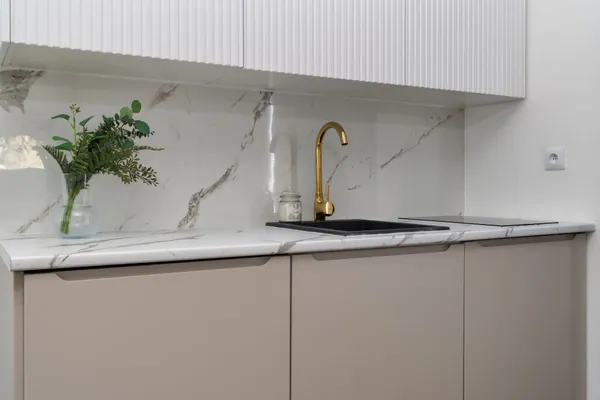
Shared surfaces start with a brush and soapy water to remove grease and grime; this step cannot be skipped even if the surface looks clean, because hidden soil blocks disinfectant from working.
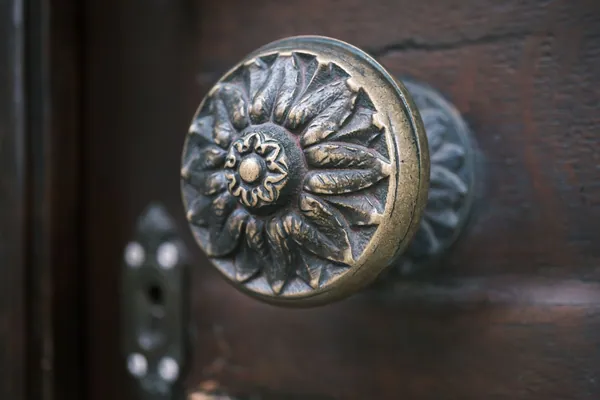
High-touch metal surfaces like lift railings and floor buttons need a disinfectant safe for metal, applied until the surface stays wet for the full ten minutes, then wiped without rushing.
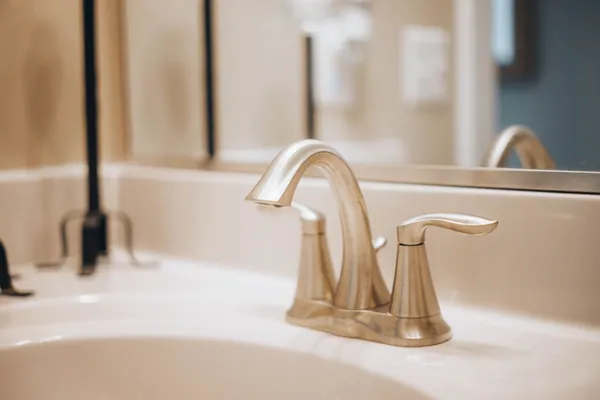
Around toilets and sinks, tile and floor surfaces are sprayed with disinfectant and left wet, then brushed to break up water-splash particles, then wiped and rinsed thoroughly.
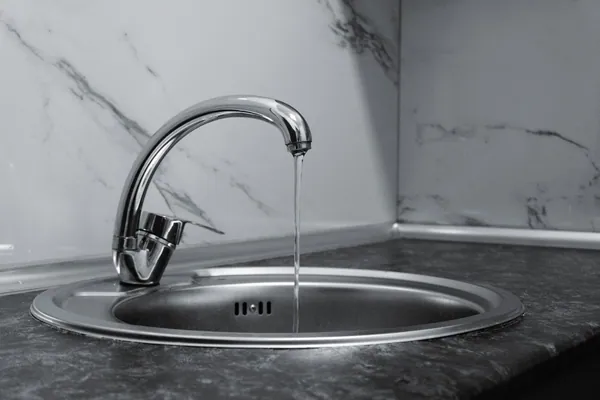
Kitchen and bathroom drains need a drain-specific disinfectant that kills biofilm inside pipes; leave it for at least an hour before flushing with cold water to avoid releasing harmful vapours into the room.
Mirrors and glass and delicate surfaces in villas use glass-safe disinfectant, left wet for five minutes, then wiped without streaking or residue remaining.
Gaps and grout lines around tile and light fixtures are scrubbed with a small brush and disinfectant solution to penetrate cracks, then dried with a clean cloth to prevent mould regrowth.
A move-in, an illness and an after-party aren't the same job.
Grime and grease shield what's under them.
A disinfectant has to stay wet on the surface to work.
Handles, switches, taps and rails are done by hand because they carry the most and need direct contact that fogging alone doesn't give.
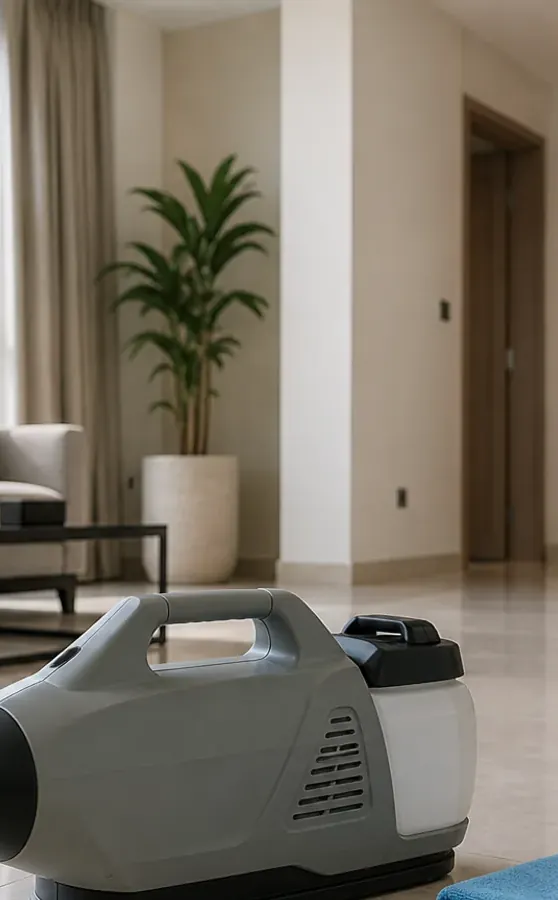
Once the hard surfaces are done, a fine fog reaches the air, the fabrics and the corners a cloth can't, settling over what hand-wiping misses.
We open up and air the rooms, then walk the home with you before leaving.
The common mistake is spraying disinfectant over dirt.
The company runs a large crew, and we send a team rather than one person.
The foggers and the products come with the team.
If what you need is deep cleaning or mould work rather than disinfection, we tell you.
Photographs from real jobs carried out by the crew.












The commitment is simple enough to actually keep: we don't leave until you've seen the result and had your say on it.
West Jeddah faces the sea along the Corniche, and the flats and towers along it live with salt in the air all year. Salt settles on glass as a haze that plain water spreads rather than removes, and it works into balcony railings, outdoor fabric and the metal of window frames. Indoors, humidity keeps carpets and curtains slightly damp, so they hold odours and dust longer than in drier districts, and bathroom grout and shower glass show scale quickly. Wooden floors and doors swell a little in the wetter months.
We provide these in Al Salamah too, and more than one can share a single visit.



