
Clean first, then disinfect
The common mistake is spraying disinfectant over dirt.
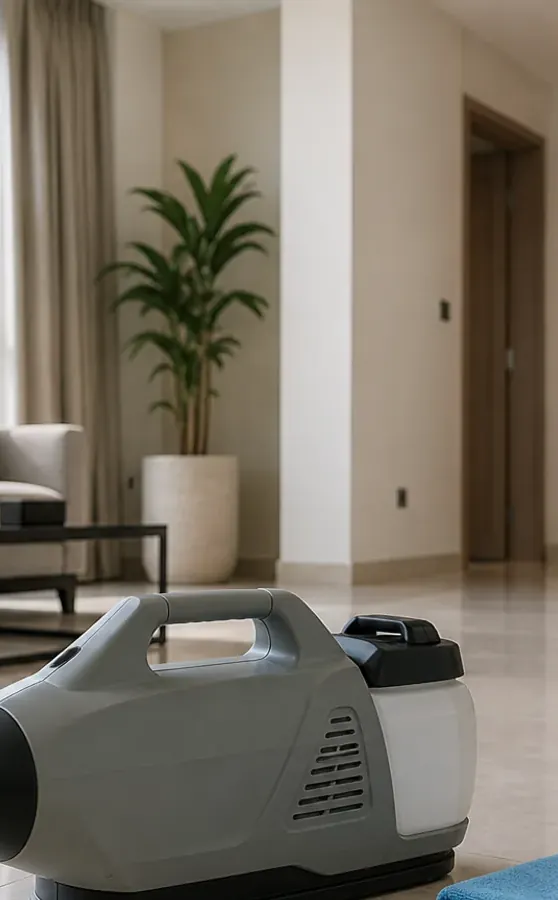
Al Aziziyah is a dense district northeast of central Jeddah, packed with restaurants, cafes, food shops and markets on the ground floor, with apartments above. This mix means cooking vapours and grease rise into the flats above, and surfaces become soiled from multiple sources at once.
Ceilings and upper walls of flats here trap a grey oily layer from restaurant and cafe vapours, not just ordinary dust or household grime. For the method itself, see our disinfection and sanitisation service in detail.
Cooking vapours from ground floor kitchens rise through ventilation ducts and cavities in the walls, settling on the ceilings of upper flats. This oily layer completely blocks disinfectant, so deep cleaning first is absolutely essential.
Hundreds of customers and workers enter and exit through shared doors daily. Stairs, lifts and handles are recontaminated continuously, so surface disinfection alone is not enough.
The mixed district combines cooking grease, street dust and shop dirt at once, so grout between tiles holds this complicated residue deep inside. A brush is needed before any spray.
The dense district combines restaurants and popular markets with tightly packed apartment blocks, and oily cooking vapours rise from the shops above ventilation ducts and gaps in the building structure.
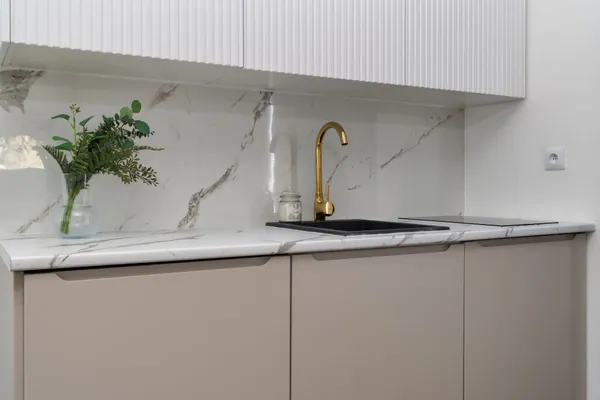
Deep cleaning here must include ceilings and upper walls, because cooking grease settles there before anything else in the flat.
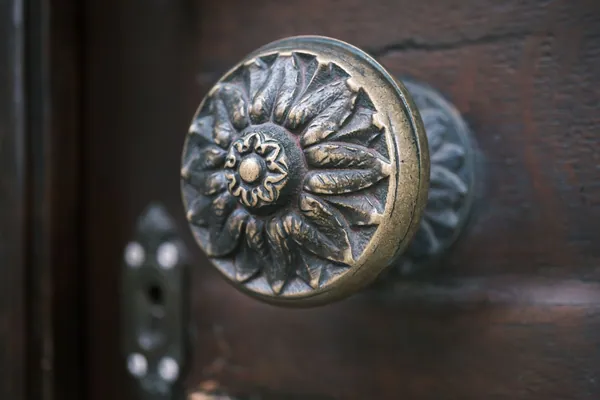
High-touch surfaces here include shared entrances, stairs and lift buttons, because customer foot traffic from shops is very heavy.
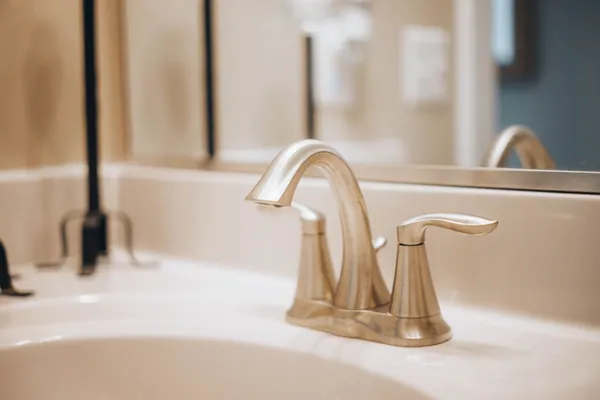
Taps and drains trap grease and street residue from shops together, not just ordinary household bacteria.
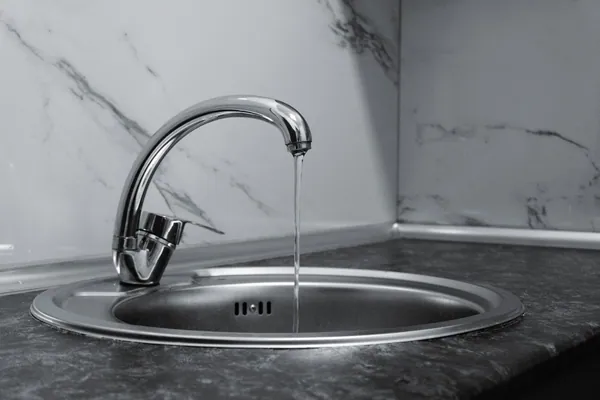
Kitchen surfaces in the flat trap both home cooking grease and vapour residue from restaurants, so cleaning must address multiple grease sources.
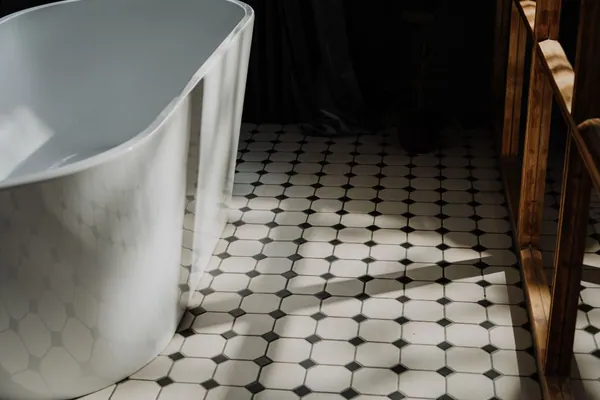
Drains and grout lines trap a complex mix of grease, dust and grime, needing brush cleaning before disinfection spray.
Ventilation after disinfection must be strong because restaurant vapours will return quickly unless air is actively forced out of the flat.
A move-in, an illness and an after-party aren't the same job.
Grime and grease shield what's under them.
A disinfectant has to stay wet on the surface to work.
Handles, switches, taps and rails are done by hand because they carry the most and need direct contact that fogging alone doesn't give.
Once the hard surfaces are done, a fine fog reaches the air, the fabrics and the corners a cloth can't, settling over what hand-wiping misses.
We open up and air the rooms, then walk the home with you before leaving.
Mixed district: shops at street level with homes above them
Mixed housing means the apartment is exposed to restaurant and shop grease continuously. Disinfection must include ceiling treatment and common entrance disinfection as well, and may need to be repeated more often than pure residential areas.
The common mistake is spraying disinfectant over dirt.
The company runs a large crew, and we send a team rather than one person.
The foggers and the products come with the team.
If what you need is deep cleaning or mould work rather than disinfection, we tell you.
Photographs from real jobs carried out by the crew.












The commitment is simple enough to actually keep: we don't leave until you've seen the result and had your say on it.
Central Jeddah is the old heart of the city: Al Balad with its coral stone houses, and the dense apartment quarters around it with shops beneath the flats. Floors here are often terrazzo or older ceramic tile, worn smooth and easily stained by cooking grease that drifts up from the street. Older kitchens and bathrooms carry heavy scale on taps and around drains, and pipework in the older blocks leaves rust marks in basins. Rugs and curtains take on the fine black dust of the main roads, so they need washing more often than elsewhere.
We provide these in Al Aziziyah too, and more than one can share a single visit.



