
Clean first, then disinfect
The common mistake is spraying disinfectant over dirt.
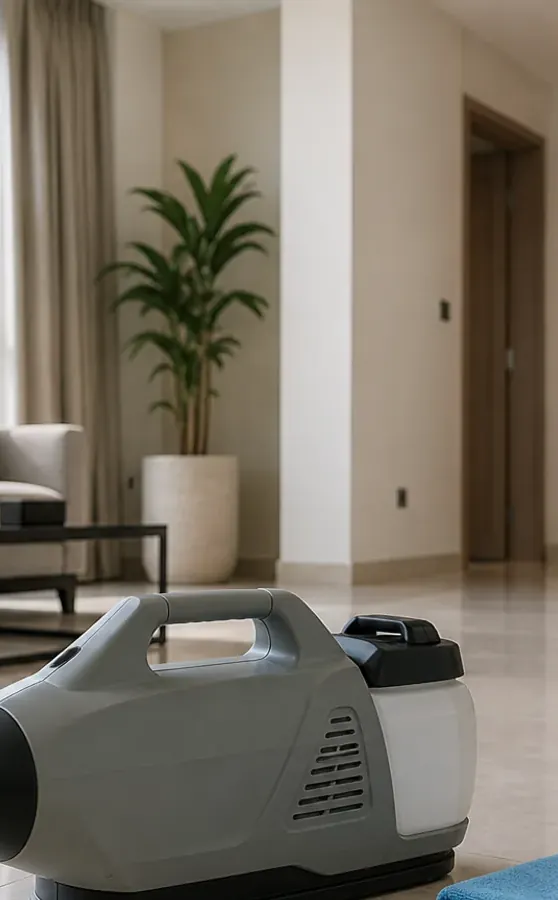
Quwaizah is one of Jeddah's oldest eastern districts, lying in the hills and valley belt where Wadi Al Qaws was first hit by the famous 2009 flood. Moisture and sediment left by that flood remain in walls and foundations, and disinfection here must account for this water damage history and the bacteria that thrive in persistent damp.
Old walls in Quwaizah hold residual moisture from the historic flood, and concrete floors react to current moisture in ways that differ entirely from buildings in elevated districts. For the method itself, see the full disinfection and sanitisation page.
Wadi Al Qaws and neighbouring valleys keep moisture levels high under the houses year round. The famous 2009 flood left permanent marks on lower walls and foundations, and moisture returns after every rain. Disinfection here needs special treatment for mould and fungi that thrive in wet conditions, and must reach bacteria deep in the soil-facing surfaces.
Most old homes have plain concrete floors with no adequate moisture barrier. These floors absorb water from the soil and hold permanent mould damage. Disinfecting these surfaces needs a treatment that penetrates the pores and kills bacteria dormant in the damp, not just surface spray.
This old district sees mould accumulating in high corners, ceilings and back walls where ventilation is poor and humidity stays high. These spots need intensive spot treatment before general disinfection of the whole home, or the mould will return within weeks.
The district faces multiple valleys, and the soil carries continuous groundwater moisture and flood deposits, especially after rain, creating conditions where bacteria and mould spread faster than in higher areas.
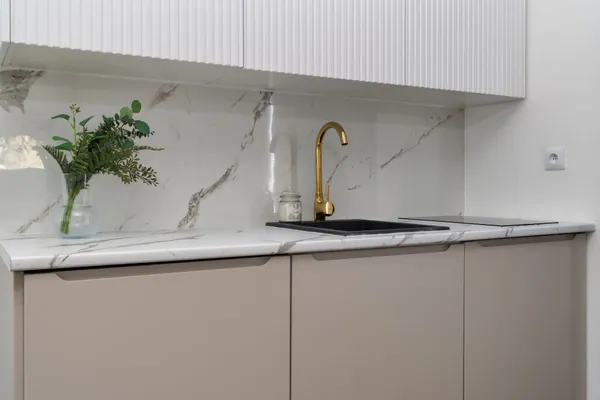
Sediment and mineral salts from old flood damage form a barrier in the pores of surfaces, so deep cleaning must happen first before the disinfectant can touch the actual material.
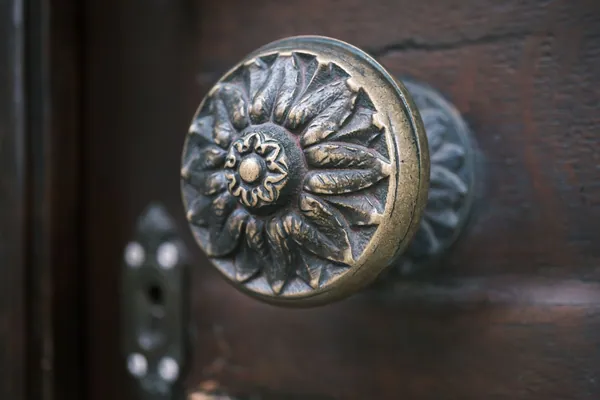
Taps and drains carry mineral deposits and salts from the flood, needing intensive spot cleaning before general disinfection begins.
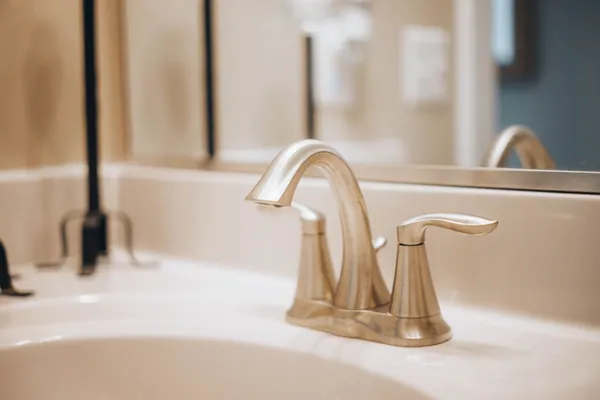
Old bathrooms in the valleys suffer from permanent damp and continuous mould, needing strong disinfection aimed at anti fungal treatment.
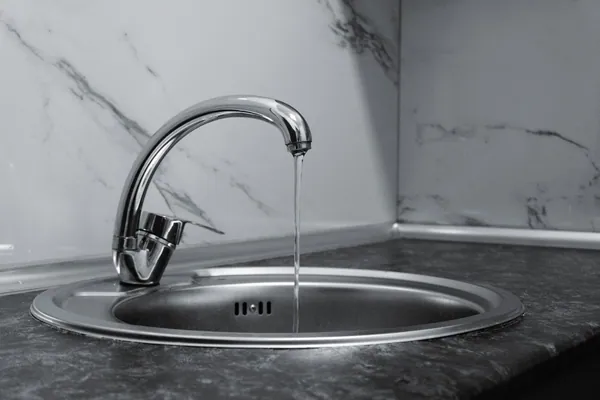
Old kitchens combined with constant moisture hold mould on wood and in corners, requiring both cleaning and disinfection together plus addressing moisture sources.
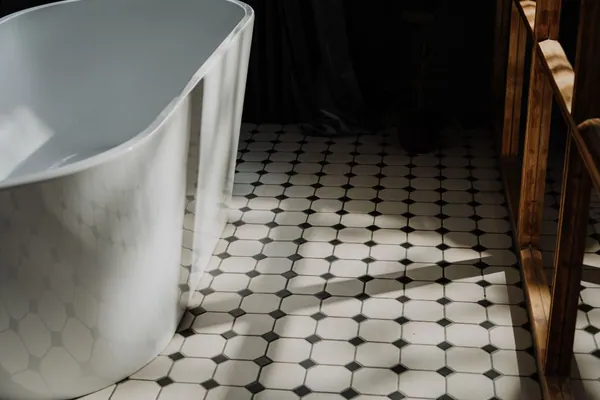
Drains and grout hold flood sediment and harbour continuous bacterial growth, needing deep cleaning and repeated strong disinfection.
Ventilation after disinfection is critical in Quwaizah because high humidity keeps surfaces wet and allows bacteria to return quickly.
A move-in, an illness and an after-party aren't the same job.
Grime and grease shield what's under them.
A disinfectant has to stay wet on the surface to work.
Handles, switches, taps and rails are done by hand because they carry the most and need direct contact that fogging alone doesn't give.
Once the hard surfaces are done, a fine fog reaches the air, the fabrics and the corners a cloth can't, settling over what hand-wiping misses.
We open up and air the rooms, then walk the home with you before leaving.
The common mistake is spraying disinfectant over dirt.
The company runs a large crew, and we send a team rather than one person.
The foggers and the products come with the team.
If what you need is deep cleaning or mould work rather than disinfection, we tell you.
Photographs from real jobs carried out by the crew.












The commitment is simple enough to actually keep: we don't leave until you've seen the result and had your say on it.
Quwaizah is defined by Wadi Al Qaws and the surrounding hills, with Umm Al Salm Sub-Municipality providing administrative boundaries, so work is organised by proximity to the wadi and the elevation of each property.
We provide these in Quwaizah too, and more than one can share a single visit.



