Disinfection and Sanitisation in Historic Jeddah

Disinfection and Sanitisation in Historic Jeddah, Jeddah

Historic Jeddah is a UNESCO World Heritage district with stone and timber merchant houses from the fifteenth and sixteenth centuries, impossibly narrow lanes and shared infrastructure throughout. Floors are aged terrazzo and ancient ceramic worn smooth, and walls absorb humidity from the street and from the neighbouring occupied flats constantly. Disinfection here is a struggle against centuries of water damage, embedded odour and the porous nature of medieval building materials that hold contaminants like a sponge.

  • A full team, not one person
  • Price agreed before we start
  • Foggers and products we bring
  • Reworked in the same visit

What changes about disinfection and sanitisation in Historic Jeddah

Residents in Historic Jeddah complain that musty odours and mould return quickly despite frequent cleaning, and thin walls transmit smells from neighbouring flats with ease, making isolation impossible. For the method itself, see our disinfection and sanitisation service in detail.

  • The first reason

    Historic buildings hold permanent moisture

    Coral stone and ancient foundations absorb dampness from the street and from neighbours constantly, and this perpetual moisture feeds mould and stale odours that surface spraying cannot eliminate, only slow temporarily.

  • The second reason

    Old smooth floors shed disinfectant instead of holding it

    Terrazzo and ancient ceramic tile worn smooth by centuries of foot traffic allow disinfectant to slip away instead of dwelling on the surface. Contact time may not be achieved at all, no matter how long the product sits.

  • The third reason

    Fine black street dust embeds deeply into old materials

    Main roads around the old town emit fine black dust that clings to carpets, curtains and even stone walls. This dust contains petrol and diesel soot that will not rinse away, coating everything in a permanent grey film.

What disinfection and sanitisation covers in Historic Jeddah

The historic heart of old Jeddah, an extremely old urban fabric of coral stone and timber in the roshan architectural style, listed by UNESCO, with worn-smooth floors and permanently damp stone foundations connecting all dwellings.

  • Cleaning before disinfecting

    Cleaning before disinfecting

    Cleaning before disinfection in Historic Jeddah must first tackle the fine black street dust and embedded grease on stone and old tile, requiring thorough manual scrubbing and pre-treatment before any disinfectant is applied.

  • The surfaces hands touch most

    The surfaces hands touch most

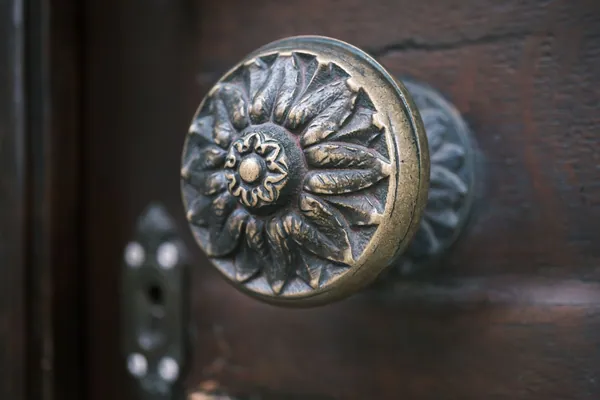
    High-touch surfaces made of ancient stone carry mineral deposits and years of grime, requiring deep manual cleaning before disinfectant treatment can work on what lies underneath.

  • Bathroom taps and handles

    Bathroom taps and handles

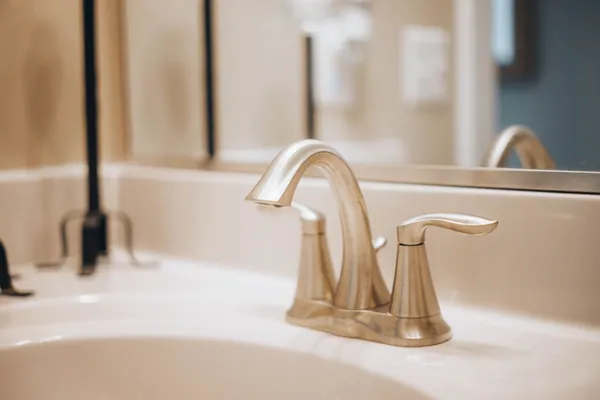
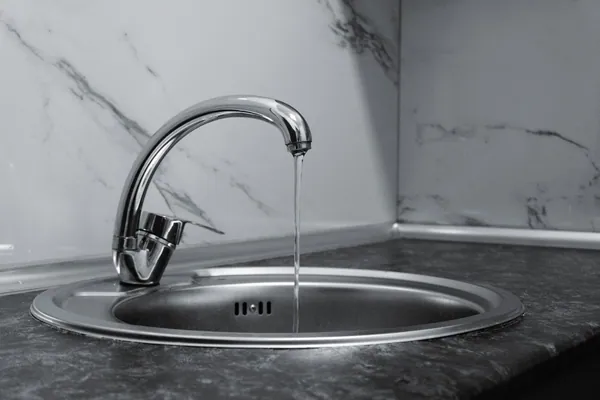
    Bathrooms in historic buildings must receive separate anti-mould treatment because the stone is permanently damp and mould regrows within weeks without intervention.

  • Kitchen and food surfaces

    Kitchen and food surfaces

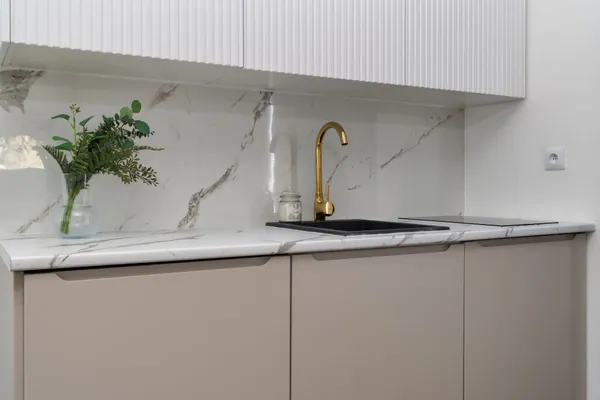
    Kitchen surfaces and textiles in old homes have accumulated decades of grease and black dust that must be vigorously degreased before disinfection is applied.

  • Drains and grout lines

    Drains and grout lines

    Drain channels and grout lines between ancient stone hold black mould, algae and embedded sediment from the humid old town environment, requiring chemical treatment stronger than routine surface disinfection.

  • Contact time, then ventilation

    Contact time, then ventilation

    Ventilation after treatment is critical in these narrow lanes where air circulation is limited. Doors and windows must stay open for extended periods to clear treatment fumes from the dense porous stone and plaster.

Not included

  • Deep cleaning of heavy grease, clutter or built-up stains, a separate service
  • Mould remediation inside walls, ceilings or plumbing
  • Pest treatment, a different service with different materials
  • Medical-grade sterilisation of instruments or equipment

How disinfection is actually done

  1. 1

    We ask what happened, then plan for it

    A move-in, an illness and an after-party aren't the same job.

  2. 2

    Clean the surface before disinfecting

    Grime and grease shield what's under them.

  3. 3

    Contact time, not just a wipe

    A disinfectant has to stay wet on the surface to work.

  4. 4

    High-touch points by hand

    Handles, switches, taps and rails are done by hand because they carry the most and need direct contact that fogging alone doesn't give.

  5. 5

    Fog the air and soft furnishings

    Once the hard surfaces are done, a fine fog reaches the air, the fabrics and the corners a cloth can't, settling over what hand-wiping misses.

  6. 6

    Ventilate, then walk it with you

    We open up and air the rooms, then walk the home with you before leaving.

Landmarks of Historic Jeddah

Historic Jeddah is defined by treasured landmarks such as Al Shafi'i Mosque, Uthman ibn Affan Mosque and Souk Al Alawi, which anchor the quarter. Work here begins at these ancient stone monuments and extends through the closely packed flats and shared passages surrounding them in the interconnected medieval fabric.

  • Al Shafii Mosque
  • Uthman ibn Affan Mosque
  • Souk Al Alawi
  • Souk Al Nada

Why us for this service in particular

Clean first, then disinfect

The common mistake is spraying disinfectant over dirt.
A full team arrives together

The company runs a large crew, and we send a team rather than one person.

Our foggers and products

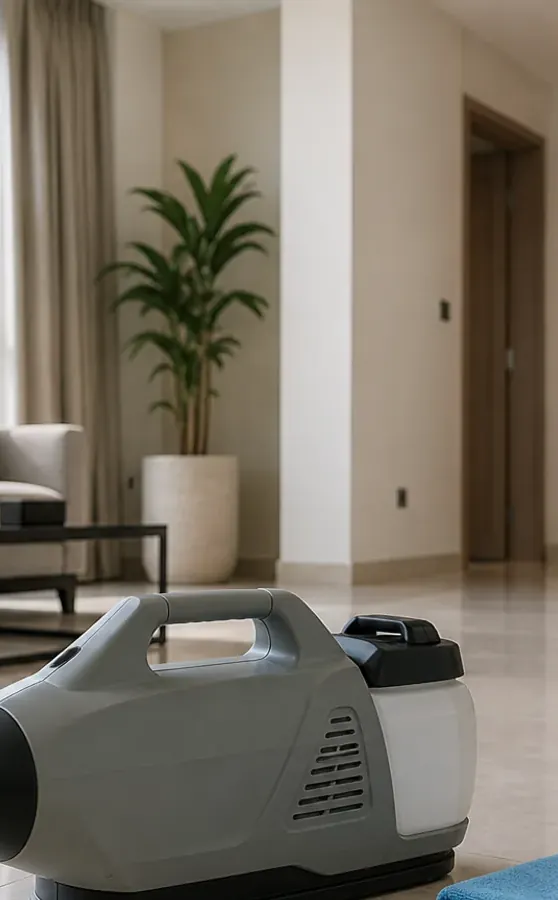
The foggers and the products come with the team.

We say no when it's no

If what you need is deep cleaning or mould work rather than disinfection, we tell you.

From our work

Photographs from real jobs carried out by the crew.

A bedroom after a full clean
Bedroom at handover
Majlis carpet after washing
Majlis after washing
A majlis after a full clean
Majlis after cleaning
A living room after cleaning
Living room after cleaning
A sitting room after cleaning
Sitting room
A folded towel on a table
The small details
A tidy bedroom after service
Bedroom made up
Mopping a marble floor during work
Marble floors
Washing a stone entrance
Exterior entrances
Cleaning a commercial floor
Commercial floor
Making the bed during work
Bed made
A jacuzzi after descaling
Jacuzzi after cleaning

The job isn't closed until you approve it

The commitment is simple enough to actually keep: we don't leave until you've seen the result and had your say on it.

What is different about Central Jeddah

Central Jeddah is the old heart of the city: Al Balad with its coral stone houses, and the dense apartment quarters around it with shops beneath the flats. Floors here are often terrazzo or older ceramic tile, worn smooth and easily stained by cooking grease that drifts up from the street. Older kitchens and bathrooms carry heavy scale on taps and around drains, and pipework in the older blocks leaves rust marks in basins. Rugs and curtains take on the fine black dust of the main roads, so they need washing more often than elsewhere.

Questions about disinfection and sanitisation in Historic Jeddah

Why does musty smell and mould return so quickly in Historic Jeddah?

Old stone absorbs moisture constantly from the street, wet ground floors and neighbouring occupied flats. This perpetual dampness feeds mould and bacteria that produce smell every single day, regardless of disinfection.

Are old terrazzo floors harder to disinfect than modern tile?

Yes, substantially. Smooth terrazzo lets disinfectant slide away instead of dwelling. Modern textured surfaces trap the product longer. The result on smooth stone is always weaker and shorter-lived than on newer materials.

Should fabrics be washed before disinfection in Historic Jeddah?

Absolutely. Textiles here carry years of black street dust and cooking odours embedded deep in the fibres. Washing before disinfection improves results dramatically.

Why does white deposit appear on taps and basins after cleaning?

Mineral scale accumulated over decades becomes visible after cleaning. This scale requires specific acidic treatment before disinfection, or it will remain and protect bacteria underneath.

Does the shared entrance need separate disinfection from the flat?

Yes, absolutely. The shared stone stairwell is an integral part of the problem. Leaving the historic passage untreated while disinfecting the flat means recontamination with every entry and exit.

How often should a flat in Historic Jeddah be disinfected?

Every four to six weeks a full disinfection is advisable, plus weekly cleaning of fabrics and air circulation. The old damp environment and shared services mean contaminants return faster than in modern homes.

Is this the same as deep cleaning?

No. Deep cleaning removes built-up dirt, grease and stains. Disinfection reduces germs on surfaces that are already clean. We clean the surface as part of disinfecting, but heavy build-up is a separate deep-clean job, and we'll say so if that's what you need.

Can you disinfect after someone has been ill?

Yes, and it's one of the more common reasons people call. We focus on the high-touch points and shared surfaces where illness lingers, clean them first, then treat with contact time. Tell us which rooms the person used most so we concentrate there.

How much does disinfection and sanitisation in Historic Jeddah cost?

It is set after the inspection, because it follows the size of the job, the materials involved and their condition. Send photos on WhatsApp and we will give you an estimate before we reach Historic Jeddah.

Other services in Historic Jeddah

We provide these in Historic Jeddah too, and more than one can share a single visit.

Disinfection and Sanitisation in districts near Historic Jeddah

Need disinfection and sanitisation in Historic Jeddah?

We reach Historic Jeddah at a time we agree, and you get the full cost before we start.

Call WhatsApp