
Clean first, then disinfect
The common mistake is spraying disinfectant over dirt.
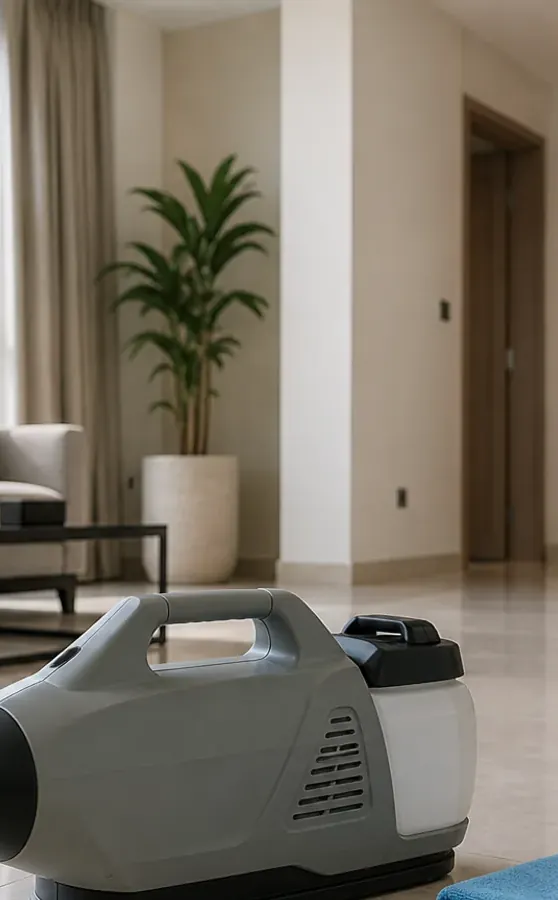
Al Karamah is a newly planned low-density administrative residential district on the eastern edge of south Jeddah, sandwiched between the sea and the heavy goods roads. The dust here is darker and oilier than northern districts, a mix of diesel soot and workshop grit that clings to everything, and coastal humidity adds mildew in bathrooms and musty smells in stored fabrics. Disinfection here demands different strength and approach.
Dark soot clings to curtains, window frames and furniture edges more visibly than in any other district, leaving a persistent musty odour in stored fabrics and bedding that resists simple airing. For the method itself, see how we approach disinfection and sanitisation.
Heavy truck roads encircle Al Karamah and diesel soot enters every flat and corner. It clings to surfaces, furniture and curtains, leaving a strong smell and a dark film. Disinfection cannot remove soot alone: it needs strong cleaning first to strip the soot layer away.
Sea air moisture adds black mould to grout and drains rapidly here. Soot and humidity combined create an ideal environment for fungal growth, requiring specialist disinfection and strong ventilation afterwards to prevent fast regrowth.
Many of the older low-rise homes have plain cement or aged ceramic flooring that blackens where soot is walked in repeatedly. This darkening needs hard scrubbing before disinfection, otherwise the staining remains visible.
A modern planned residential district on the eastern fringe of south Jeddah served by Al Lith Road and the Middle Ring Road, sitting between the sea on one side and heavy commercial truck routes on the other.
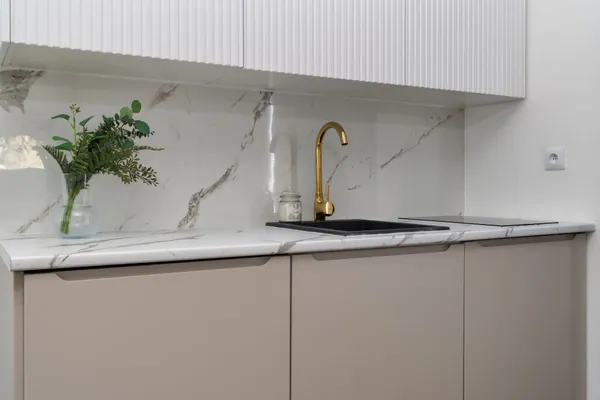
Initial cleaning targets dark soot removal from windows, surfaces and furniture because soot coats the surface and blocks disinfectant from making contact with what needs killing.
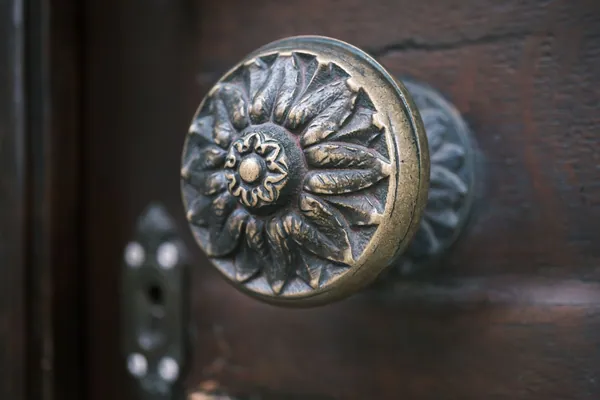
High-touch surfaces need manual hard scrubbing to remove soot and grease first, then disinfection, because soot binds tightly and resists spraying alone.
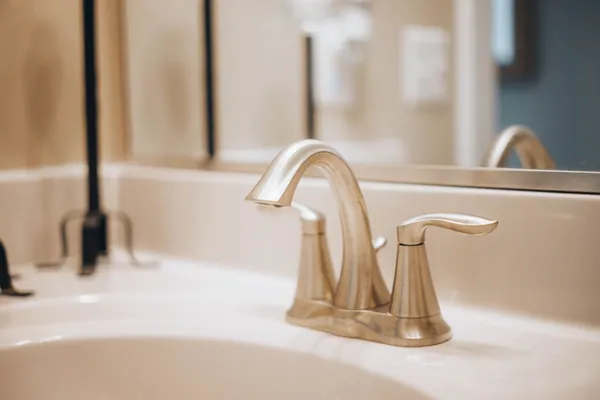
Bathroom taps and sink fixtures are often coated with a damp layer of soot and mould, requiring hard scrubbing and specialist cleaning before disinfection.
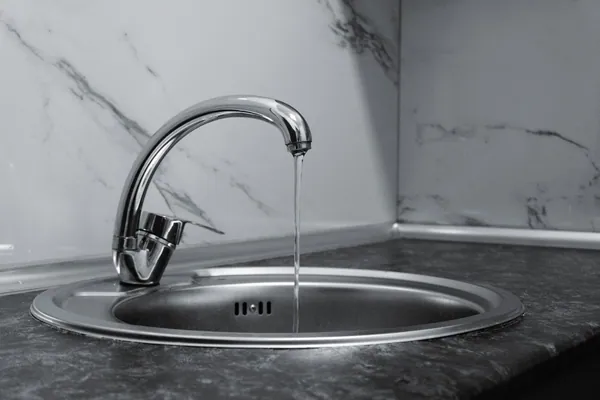
Kitchen surfaces, refrigerator areas and cooking zones accumulate soot and grease layers that need deep pre-cleaning before disinfection can be effective.
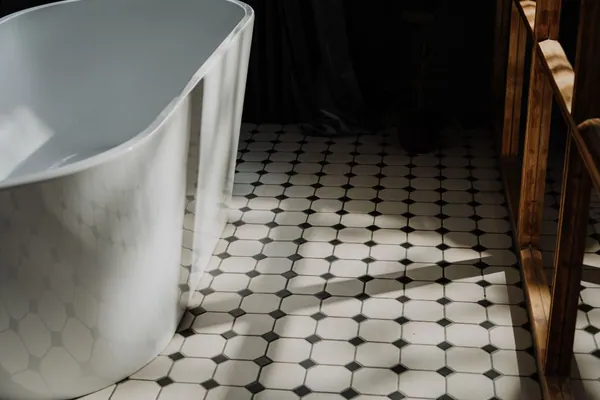
Drains and grout lines trap both soot and mould together, requiring hard scrubbing with a specialist cleaner before they can be disinfected.
Post-disinfection ventilation is critical to remove soot odour and coastal dampness: run fans and open windows for at least a full hour to lower humidity and odour.
A move-in, an illness and an after-party aren't the same job.
Grime and grease shield what's under them.
A disinfectant has to stay wet on the surface to work.
Handles, switches, taps and rails are done by hand because they carry the most and need direct contact that fogging alone doesn't give.
Once the hard surfaces are done, a fine fog reaches the air, the fabrics and the corners a cloth can't, settling over what hand-wiping misses.
We open up and air the rooms, then walk the home with you before leaving.
Mixed district: shops at street level with homes above them
In a mixed district between sea and heavy truck routes, the pollutants layer in three ways at once: diesel soot from traffic, possibly grease rising from shops below, and coastal moisture and mould. Disinfection accounts for this triple-layer contamination, not a single pollutant.
The common mistake is spraying disinfectant over dirt.
The company runs a large crew, and we send a team rather than one person.
The foggers and the products come with the team.
If what you need is deep cleaning or mould work rather than disinfection, we tell you.
Photographs from real jobs carried out by the crew.












The commitment is simple enough to actually keep: we don't leave until you've seen the result and had your say on it.
South Jeddah runs from the port and the industrial city down towards Al Khumrah, and homes here sit between the sea and the heavy goods roads. The dust is darker and oilier than in the north, a mix of diesel soot and workshop grit, and it clings to net curtains, window sills and the tops of kitchen cupboards. Floors in the older low rise housing are often plain cement or ceramic tile that darkens where soot is walked in. Humidity from the coast adds mildew in bathrooms and a musty smell in stored fabrics.
We provide these in Al Karamah too, and more than one can share a single visit.



