
Clean first, then disinfect
The common mistake is spraying disinfectant over dirt.
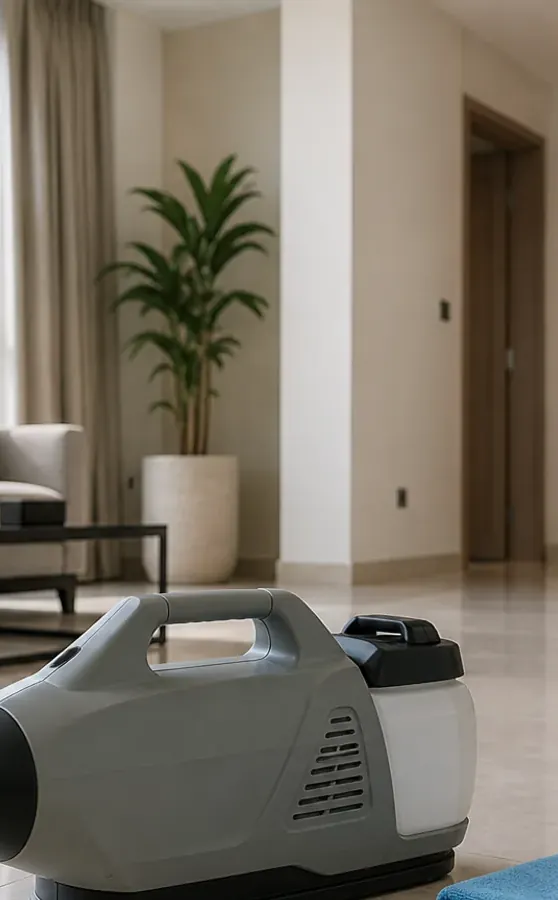
Al Sarawat is an industrial district in south Jeddah, warehouses and large workshops and loading yards surrounding scattered homes. Grease from industrial machinery and operations settles on every surface fast, and pollutants from heavy commercial traffic are deep and thick. Disinfecting here is not like treating a residential neighbourhood, but comprehensive treatment of heavily soiled industrial surfaces.
Grease from heavy machinery and industrial processes deposits on floors, walls and metal in thick layers unlike food shop grease or light commercial soiling. For the method itself, see how we approach disinfection and sanitisation.
Warehouses and industrial workshops generate heavy machine grease that is thicker and more deeply set than shop kitchen grease. This grease seeps into floor cracks and grout lines, needing aggressive preliminary cleaning before disinfection can work.
Heavy machinery and trucks lift pollutants and grime from damaged roads and surfaces. These contaminants settle on surfaces, walls and fabrics much more deeply than in residential areas.
Homes scattered among warehouses and workshops face industrial pollutants from outside constantly. Disinfection must be stronger and more frequent to protect residents from industrial contamination.
An industrial area in south Jeddah housing large warehouses, workshops and loading areas with scattered homes and constant heavy machinery movement.
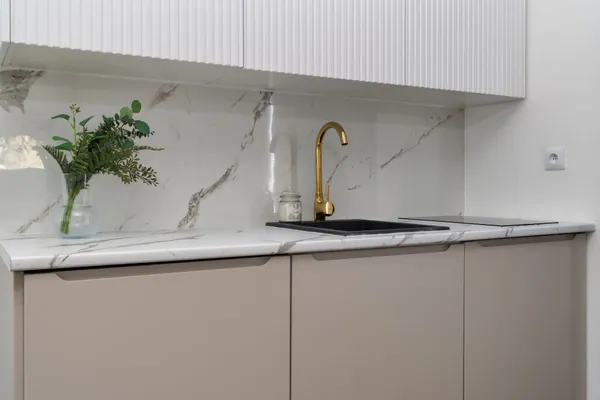
Industrial cleaning must remove thick grease and deep contamination before disinfection, because heavy machine grease blocks treatment more than any other source.
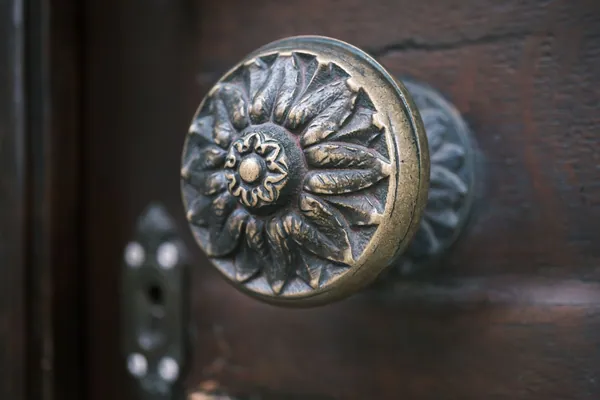
High touch surfaces in industrial zones are switches, railings, door frames and metal hardware, all caked with grease and industrial pollutants.
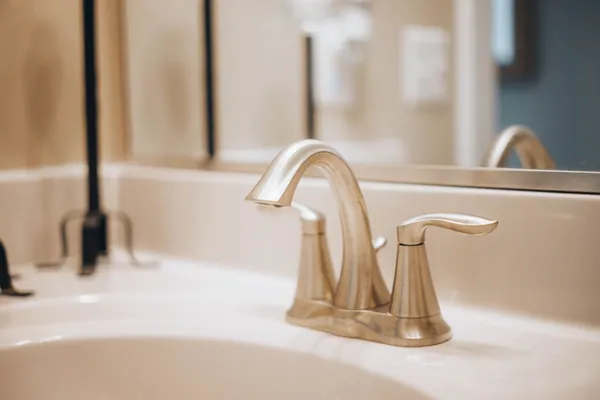
Bathrooms in industrial areas see heavy use and heavy soiling. Taps and floors need stronger, more frequent disinfection work.
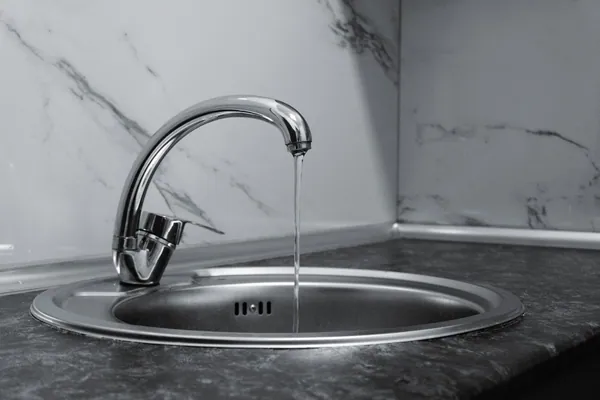
An industrial kitchen or worker tea room needs aggressive cleaning from heavy pollutants before disinfection can take place.
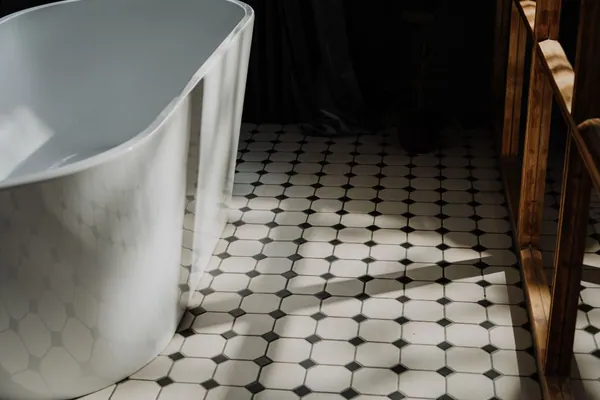
Drains and grout lines in industrial spaces accumulate grease and pollutants rapidly, needing aggressive cleaning before disinfection.
Ventilation after industrial disinfection matters because pollutants may leave strong odours. Open doors and windows for an hour or more afterward.
A move-in, an illness and an after-party aren't the same job.
Grime and grease shield what's under them.
A disinfectant has to stay wet on the surface to work.
Handles, switches, taps and rails are done by hand because they carry the most and need direct contact that fogging alone doesn't give.
Once the hard surfaces are done, a fine fog reaches the air, the fabrics and the corners a cloth can't, settling over what hand-wiping misses.
We open up and air the rooms, then walk the home with you before leaving.
Al Sarawat sits about 3.5 km from Al Khumrah and about 4.5 km from Al Sarawriyah.
Open in Google MapsThe common mistake is spraying disinfectant over dirt.
The company runs a large crew, and we send a team rather than one person.
The foggers and the products come with the team.
If what you need is deep cleaning or mould work rather than disinfection, we tell you.
Photographs from real jobs carried out by the crew.












The commitment is simple enough to actually keep: we don't leave until you've seen the result and had your say on it.
Industrial area: workshops, warehouses and loading yards
Industrial means contamination is deeper, thicker and more aggressive, so disinfection must be much stronger in preliminary cleaning and more carefully chosen to handle industrial pollutants without damaging metals and surfaces.
We provide these in Al Sarawat too, and more than one can share a single visit.



