
Clean first, then disinfect
The common mistake is spraying disinfectant over dirt.
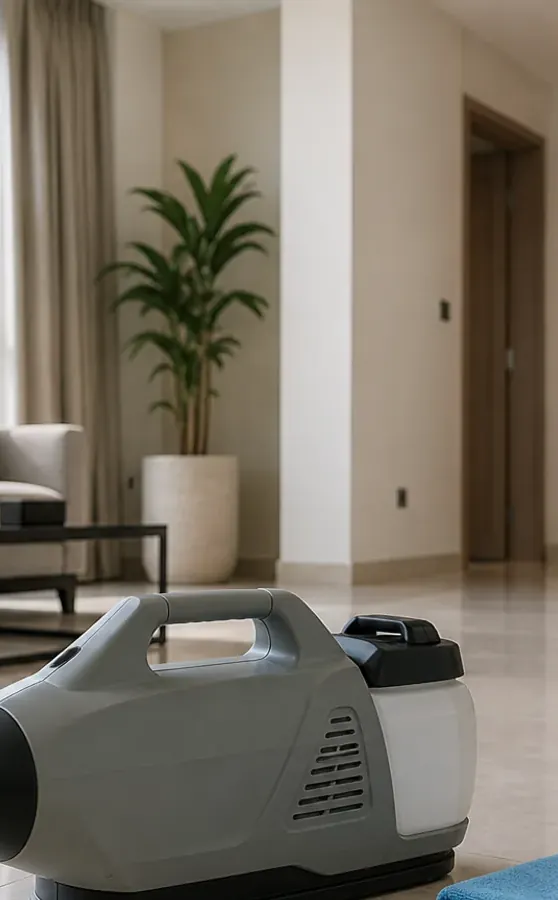
Al Sawari is a recently built northern district of villas and apartments between King Saud Road and Prince Abdulmajeed Road, with marble or porcelain floors and wide windows. But being near the creek and coast means that sea air leaves a faint salt film on glass and outdoor cushions. Fine sand carried indoors on sandals and sprinkler spray that dries to a chalky ring on tiles. Disinfection must treat these extra layers.
Homes here have clean surfaces but are constantly exposed to salt, sand and scale from water, and disinfection must look beyond what appears clean on the surface. For the method itself, see what disinfection and sanitisation involves.
Modern marble and porcelain floors are glossy but contain fine sand from the garden. This sand must be swept first, then the floor washed with water, then disinfected. Disinfectant on a sandy surface may leave white lines as water evaporates quickly.
Outdoor cushions and seating fabrics accumulate sea salt and become stiff. We rinse them with fresh water first to remove salt, then disinfect while damp. Complete drying may take time in coastal humidity.
Sprinkler spray leaves white chalky rings on tiles and floors. Disinfectant does not remove scale, so we use a weak acidic cleaner first, then disinfect. We never mix acid and disinfectant.
A recently built northern district between King Saud Road and Prince Abdulmajeed Road, modern villas and apartments with gardens and courtyards, close to the creek and coast.
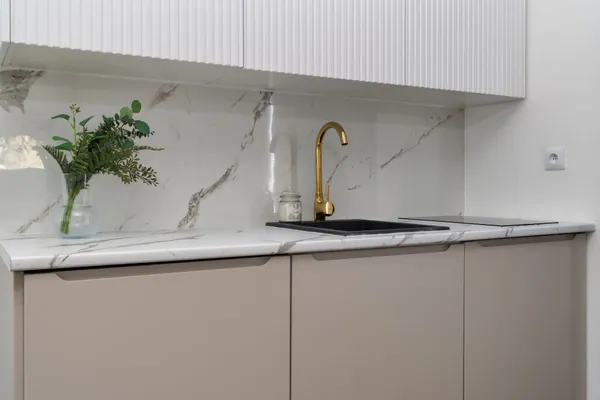
Modern marble and porcelain surfaces are glossy but need sand swept first before disinfection.
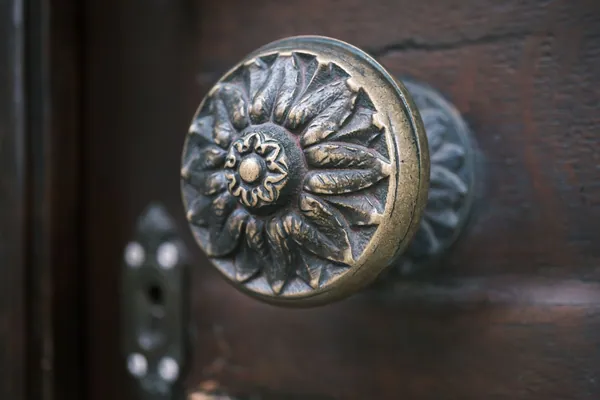
Outdoor taps and metal fittings accumulate sea salt, and we do not use strong disinfectant directly on them.
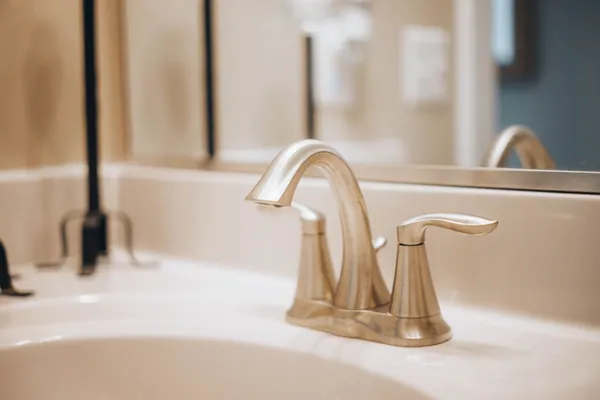
Bathrooms and damp surfaces dry quickly in the north, natural ventilation is good.
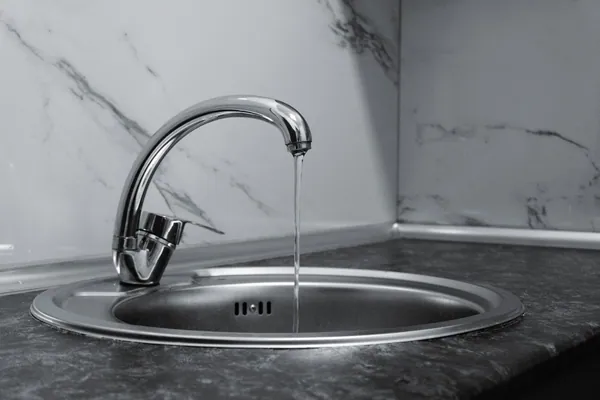
Kitchen and food surfaces may be open plan, and wind carries sand and salt indoors.
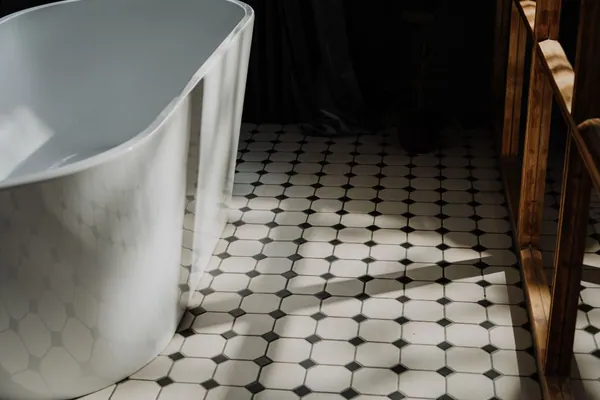
Drains and grout lines are relatively clean in new homes, but sea salt may accumulate in them.
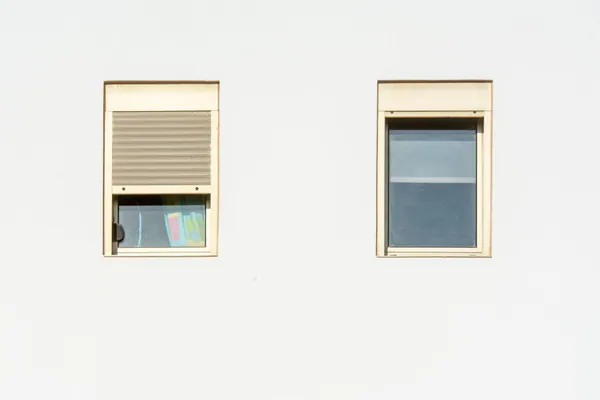
Ventilation after disinfection is easy in Al Sawari because windows are large and air is clean.
A move-in, an illness and an after-party aren't the same job.
Grime and grease shield what's under them.
A disinfectant has to stay wet on the surface to work.
Handles, switches, taps and rails are done by hand because they carry the most and need direct contact that fogging alone doesn't give.
Once the hard surfaces are done, a fine fog reaches the air, the fabrics and the corners a cloth can't, settling over what hand-wiping misses.
We open up and air the rooms, then walk the home with you before leaving.
Mixed district: shops at street level with homes above them
Shops on ground floors mean that homes above them sit in continuous exposure to street pollution, but the home itself may be completely separated from the street level. Disinfection must focus on where pollution enters: windows, doors and balconies.
The common mistake is spraying disinfectant over dirt.
The company runs a large crew, and we send a team rather than one person.
The foggers and the products come with the team.
If what you need is deep cleaning or mould work rather than disinfection, we tell you.
Photographs from real jobs carried out by the crew.












The commitment is simple enough to actually keep: we don't leave until you've seen the result and had your say on it.
North Jeddah is largely newer villa districts and compounds around Obhur and inland from it. Homes here tend to have marble or porcelain floors, large windows and a garden or courtyard, so the routine is set by what comes in from outside: fine sand carried on sandals, and sprinkler spray that dries to a chalky ring on tiles. Near the creek and the coast, sea air leaves a faint salt film on glass and on outdoor cushions, which stiffens fabric. Curtains and upholstery in these open plan rooms catch the dust that settles overnight.
We provide these in Al Sawari too, and more than one can share a single visit.



