
Clean first, then disinfect
The common mistake is spraying disinfectant over dirt.
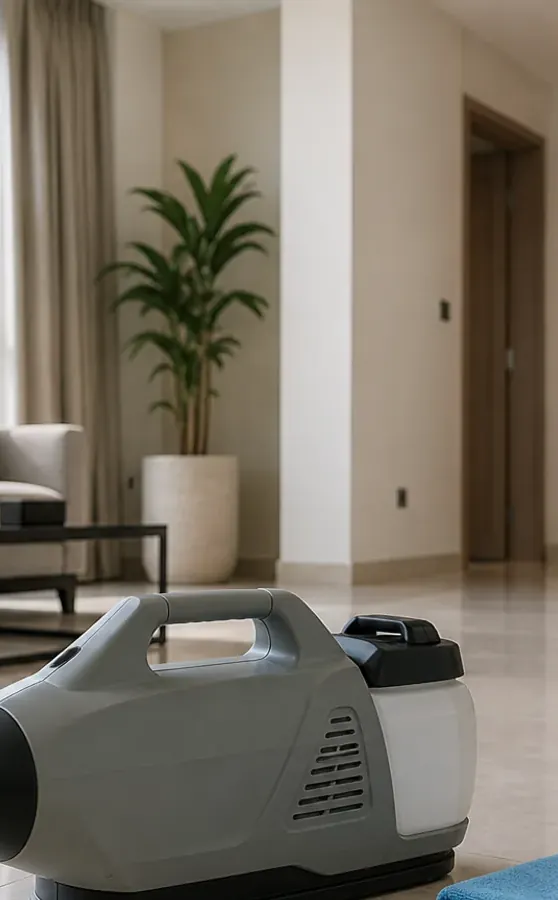
Al Riyadh is a residential district in east Jeddah toward Asfan, predominantly newer housing near the University of Jeddah Road. Disinfection here differs from coastal areas because the dust is drier, coarser and descends from open ground and hills rather than arriving from the sea.
Curtains, mattresses and sofas become the heaviest cleaning task because dry dust descends from above and settles on every surface before dawn, requiring special care. For the method itself, see the full disinfection and sanitisation page.
East Jeddah is inland with drier air and coarser, paler dust than the coast. It seeps under doors and windows and settles on fabrics and furniture overnight. Disinfection must clean soft surfaces too because the dust penetrates deeply, not just surface residue.
Modern villas and apartments have marble or ceramic floors. Fine grit from outside scratches both if not cleaned carefully before wiping or disinfecting. Mechanical cleaning first, then the disinfectant, makes the difference.
Water from roof tanks leaves grey sediment deposits in basins and toilet bowls. Disinfectant alone cannot shift it. Clean first with a mild abrasive cleaner, then disinfect on a clean surface, so both order and choice of product matter.
Located in the Taibah sub-municipality area of east Jeddah, the district sits farther from the coast and closer to open ground and mountains, meaning dust that is less humid and coarser in texture.
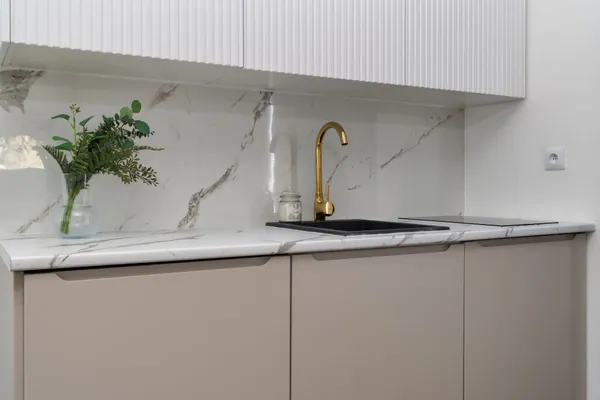
Surfaces are coated with dry dust creeping under doors, so we clean every surface mechanically with a vacuum and damp cloth first before disinfecting any of them.
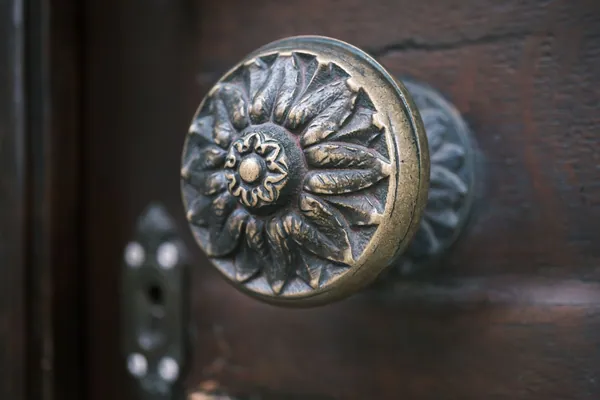
Remote control buttons, handles and kitchen and bathroom surfaces need cleaning and disinfection together because dry dust clings to every contact point.
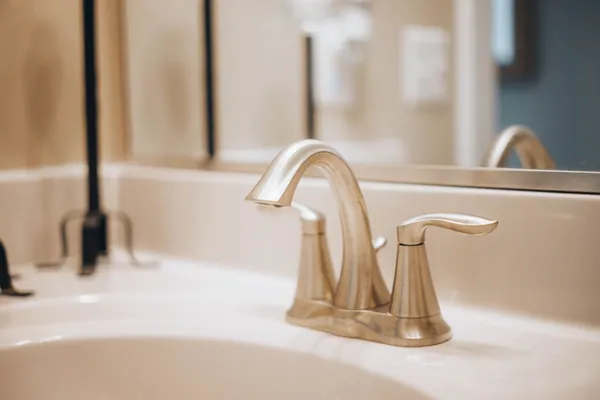
Tap edges around bathroom basins and toilets collect both mineral deposits and dust together, so we clean them mechanically first then disinfect with a metal-safe product.
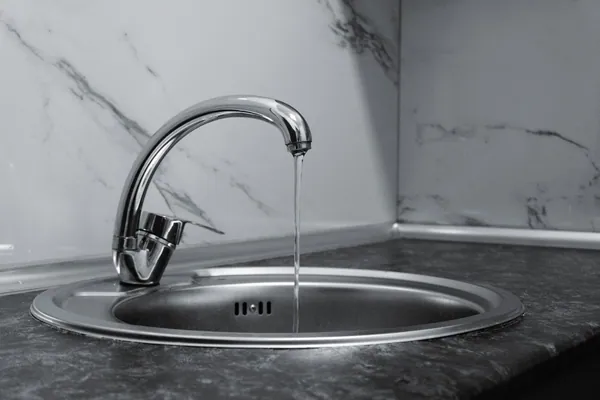
Kitchen work surfaces, handles and appliances need cleaning first and disinfection second with a product safe away from food contact areas.
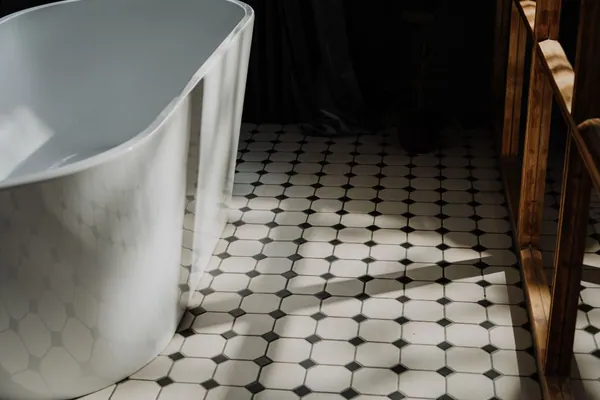
Kitchen and bathroom drains may contain fine sand and sediment, so we clean them mechanically first with a soft brush, and grout lines are cleaned carefully because they are narrow and trap dust.
We leave the disinfectant for full contact time then ventilate all rooms by opening windows for at least an hour, and wipe any remaining dampness before departure.
A move-in, an illness and an after-party aren't the same job.
Grime and grease shield what's under them.
A disinfectant has to stay wet on the surface to work.
Handles, switches, taps and rails are done by hand because they carry the most and need direct contact that fogging alone doesn't give.
Once the hard surfaces are done, a fine fog reaches the air, the fabrics and the corners a cloth can't, settling over what hand-wiping misses.
We open up and air the rooms, then walk the home with you before leaving.
The common mistake is spraying disinfectant over dirt.
The company runs a large crew, and we send a team rather than one person.
The foggers and the products come with the team.
If what you need is deep cleaning or mould work rather than disinfection, we tell you.
Photographs from real jobs carried out by the crew.












The commitment is simple enough to actually keep: we don't leave until you've seen the result and had your say on it.
East Jeddah lies furthest from the sea and closest to the open ground and hills beyond the ring roads, so the air is drier and the dust is coarser and paler than on the coast. It comes in under doors and settles on every flat surface overnight, making sofas, mattresses and curtains the heaviest part of the routine. Floors are mostly ceramic tile in the apartment districts and marble in the villa areas, both scratched by grit that is mopped rather than swept. Roof tank water leaves a grey film of sediment in baths and basins.
We provide these in Al Riyadh too, and more than one can share a single visit.



