
Clean first, then disinfect
The common mistake is spraying disinfectant over dirt.
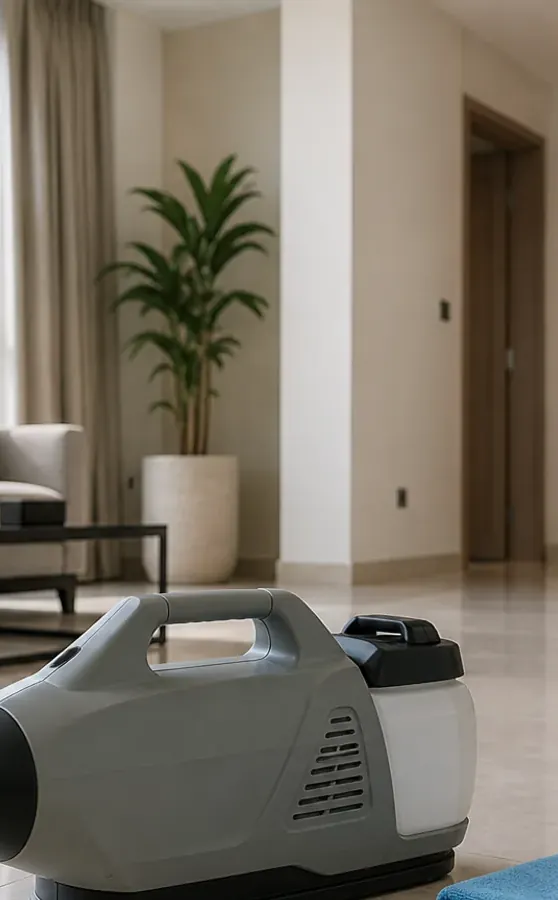
Ghulail is a new development district in south Jeddah, with ongoing construction and vacant plots between new homes. Dust from excavation and earthmoving settles fast, and worn roads raise thick clouds. Disinfection here must deal with heavy construction dust first, before the treatment can reach the actual surface underneath.
Construction dust is heavier and coarser than regular desert dust, leaving a thick layer on surfaces, floors and windows within a short time. For the method itself, see how we approach disinfection and sanitisation.
Excavation, earthmoving and demolition generate dust that is heavier and different from ordinary dust. It settles quickly on surfaces, windows and floors, and creates a thicker barrier. Deep cleaning before disinfection is essential.
Ghulail is undergoing construction and redevelopment, with unpaved or damaged roads. Construction vehicles and machinery lift dust constantly. Disinfection here must account for this ongoing dust generation.
Homes built on active sites are surrounded by excavation and earthmoving work. Sand and grit enter homes easily because new doors and windows may not seal perfectly against the dust clouds.
A newly developed district in south Jeddah in active redevelopment, with ongoing building work, vacant land and broken roads being rebuilt with constant heavy machinery movement.
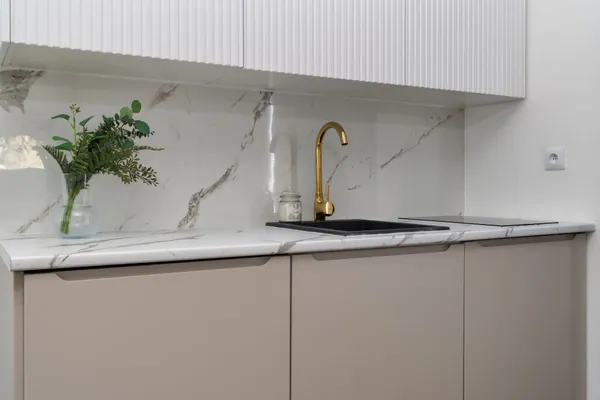
Cleaning must remove heavy layers of construction dust before disinfection, because this dust is thicker and coarser than ordinary dust.
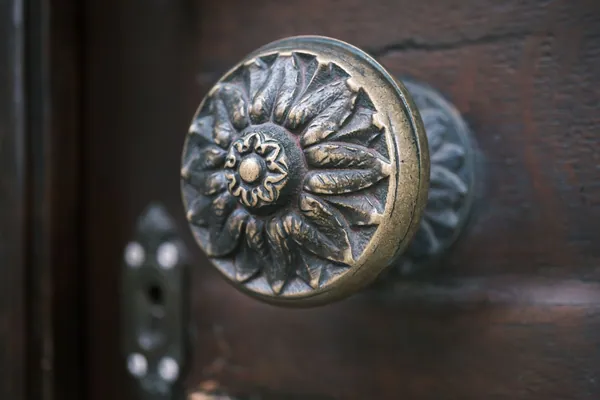
High touch surfaces here are new switches, railings, doors and windows, all likely caked with construction dust.
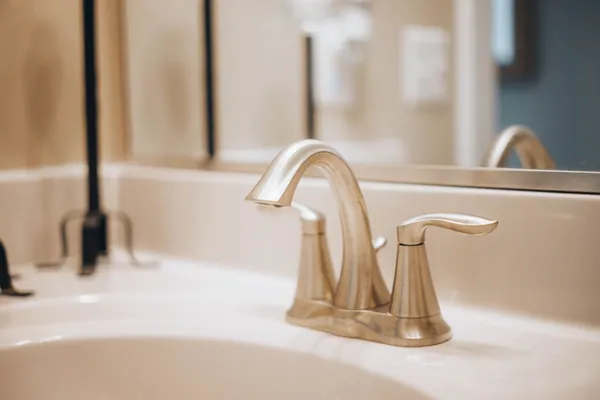
New bathrooms need separate disinfection because moisture levels may be high from new construction and damp building materials.
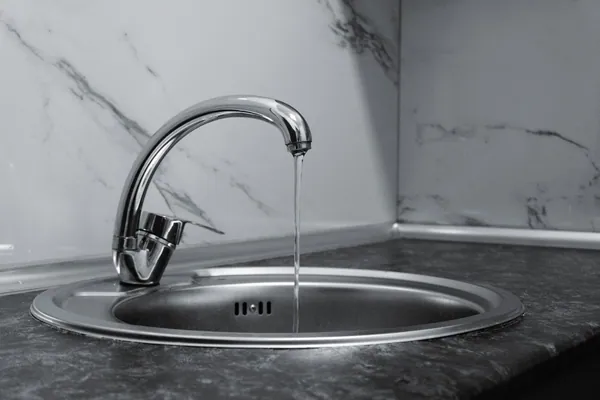
The new kitchen needs deep cleaning from construction dust before disinfection, because surfaces may be heavily caked.
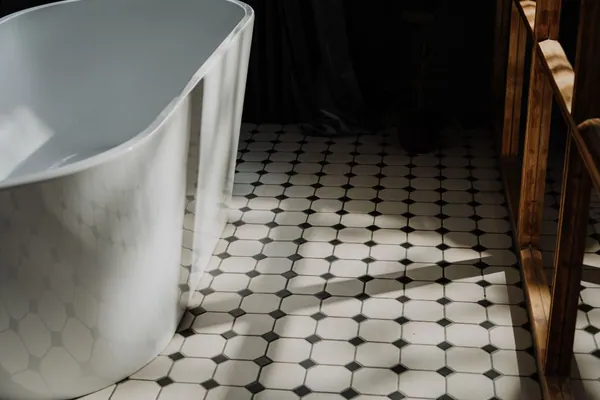
Drains and grout lines in the new home may contain sand and grit from construction, needing special cleaning before disinfection.
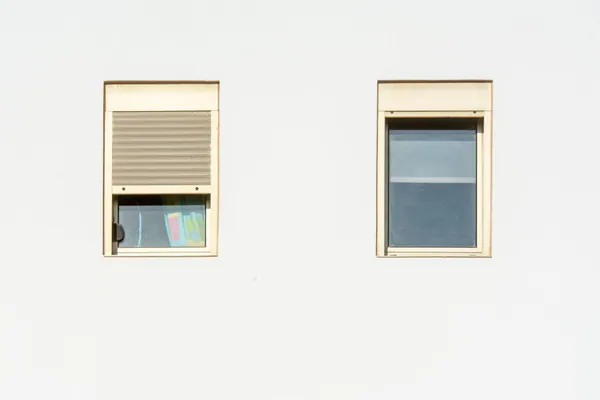
Ventilation after disinfection is needed for fast drying, and you may need windows open an hour or two to fully dry the space.
A move-in, an illness and an after-party aren't the same job.
Grime and grease shield what's under them.
A disinfectant has to stay wet on the surface to work.
Handles, switches, taps and rails are done by hand because they carry the most and need direct contact that fogging alone doesn't give.
Once the hard surfaces are done, a fine fog reaches the air, the fabrics and the corners a cloth can't, settling over what hand-wiping misses.
We open up and air the rooms, then walk the home with you before leaving.
Ghulail sits about 1.5 km from Al Quraiyat and about 2 km from Al Nuzlah Yamaniyah.
Open in Google MapsThe common mistake is spraying disinfectant over dirt.
The company runs a large crew, and we send a team rather than one person.
The foggers and the products come with the team.
If what you need is deep cleaning or mould work rather than disinfection, we tell you.
Photographs from real jobs carried out by the crew.












The commitment is simple enough to actually keep: we don't leave until you've seen the result and had your say on it.
Ghulail is located between Omar Al Mutawa Street to the north and Al Mahjar Street to the south, and the work is coordinated through those main streets in the new development area.
We provide these in Ghulail too, and more than one can share a single visit.



