
Clean first, then disinfect
The common mistake is spraying disinfectant over dirt.
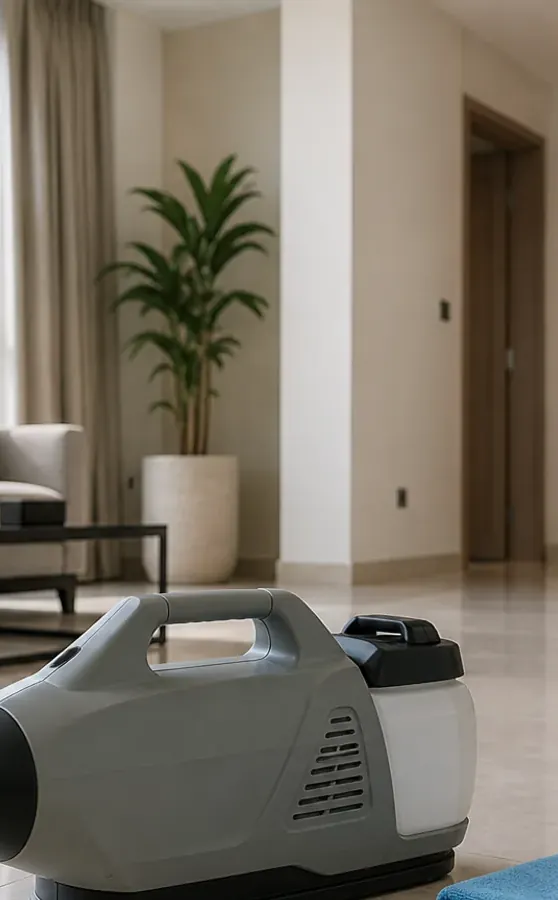
Bani Malik is an old commercial zone in central Jeddah holding traditional quarters, a traditional market and car workshops between King Fahd Road and Haramain Road. Disinfecting here must account for industrial environment, heavy soiling and the oils and grease that accumulate in workshops and commercial spaces.
The environment is industrial, with surfaces stained by oils and grease from workshops and vehicles. Disinfection demands heavy pre-cleaning before any disinfectant can work effectively. For the method itself, see what disinfection and sanitisation involves.
Car workshops leave oils and grease on surfaces and floors, and dark dust mixes with oil and adheres stubbornly. Disinfecting a workshop or commercial premises demands a strong degreaser to remove oil and grease first, then a powerful disinfectant. Oil blocks disinfection completely unless removed first.
Old quarters have damaged surfaces and may be defective, drainage is often weak and moisture accumulates. Cement floors are often cracked and tiles may be broken. Disinfection requires caution on weak surfaces, and cleaning is complex because soiling is deep.
Markets and commercial premises experience very heavy daily footfall, and surfaces soil again quickly. Disinfection may need regular repetition or at least frequent cleaning. Constant movement means infection can return rapidly unless regular disinfection is maintained.
The zone lies between King Fahd Road and Haramain Road, and comprises old popular quarters, Bani Malik Market and a cluster of car repair shops, small commercial stores and storage units.
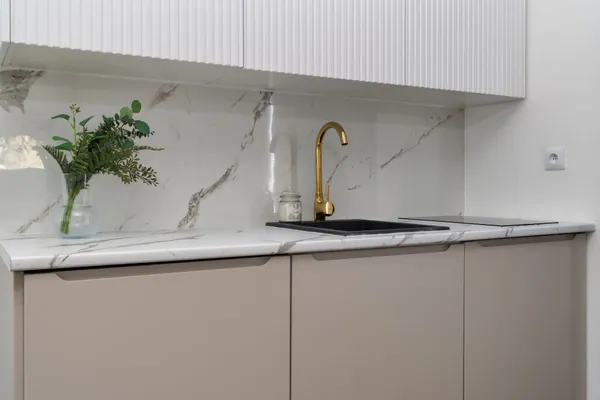
Surfaces in Bani Malik are stained with oils and grease from workshops, and strong pre-cleaning is essential before disinfection so the product can work effectively.
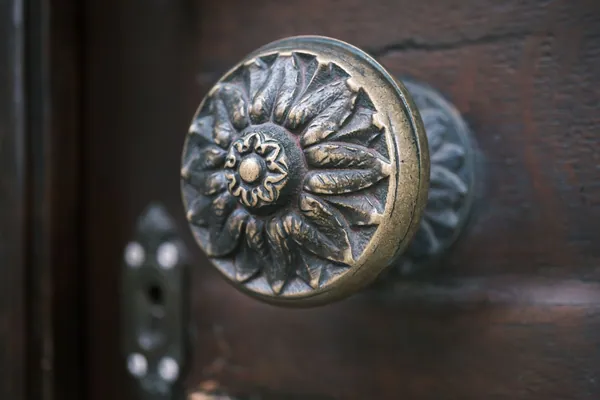
Door handles, doors and stairs in workshops and shops are touched by soiled working hands, and these are our priority because grime can shield disinfection.
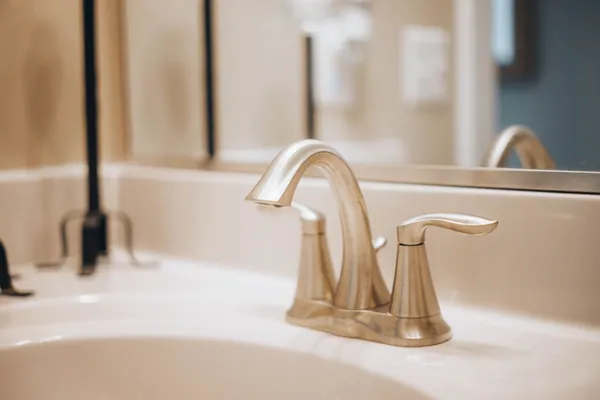
Water taps and drains in workshops need special care because they are exposed to oils and grease, and we use a strong product to remove oils from them.
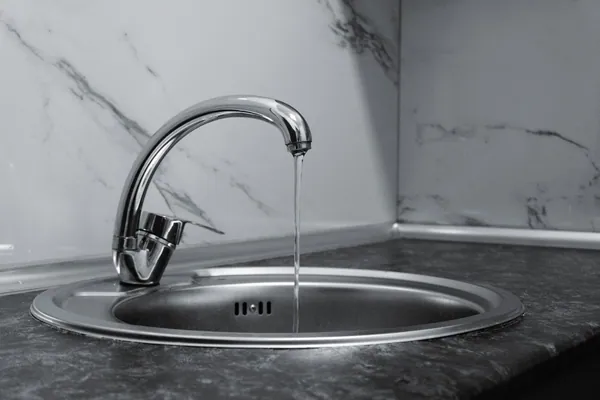
Work surfaces and counters in commercial premises may be very unclean, and pre-cleaning may need substantial effort before disinfection begins.
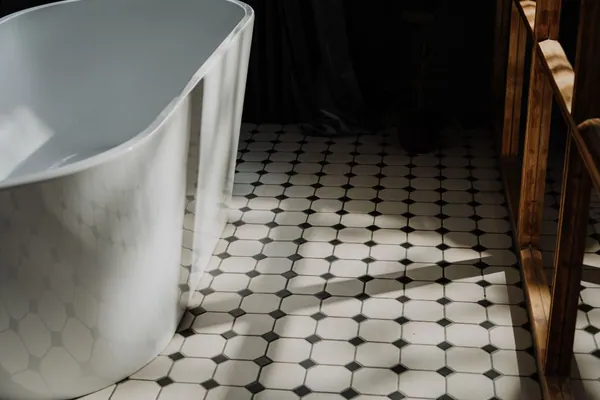
Drains and grout lines in workshop floors accumulate deep oils, grease and grime, and we treat them with a strong product that penetrates deeply.
Ventilation after disinfection in workshops is essential because the products may be strong and smell powerful, and we open all windows and doors for hours.
A move-in, an illness and an after-party aren't the same job.
Grime and grease shield what's under them.
A disinfectant has to stay wet on the surface to work.
Handles, switches, taps and rails are done by hand because they carry the most and need direct contact that fogging alone doesn't give.
Once the hard surfaces are done, a fine fog reaches the air, the fabrics and the corners a cloth can't, settling over what hand-wiping misses.
We open up and air the rooms, then walk the home with you before leaving.
The common mistake is spraying disinfectant over dirt.
The company runs a large crew, and we send a team rather than one person.
The foggers and the products come with the team.
If what you need is deep cleaning or mould work rather than disinfection, we tell you.
Photographs from real jobs carried out by the crew.












The commitment is simple enough to actually keep: we don't leave until you've seen the result and had your say on it.
Commercial area: offices, showrooms and small stores
Commercial zones have offices, showrooms and stores adjoining one another, and infection can travel from one space to another via shared entrances and surfaces. Our disinfection protects all premises because we treat shared areas and entries with the same care.
We provide these in Bani Malik too, and more than one can share a single visit.



