
Clean first, then disinfect
The common mistake is spraying disinfectant over dirt.
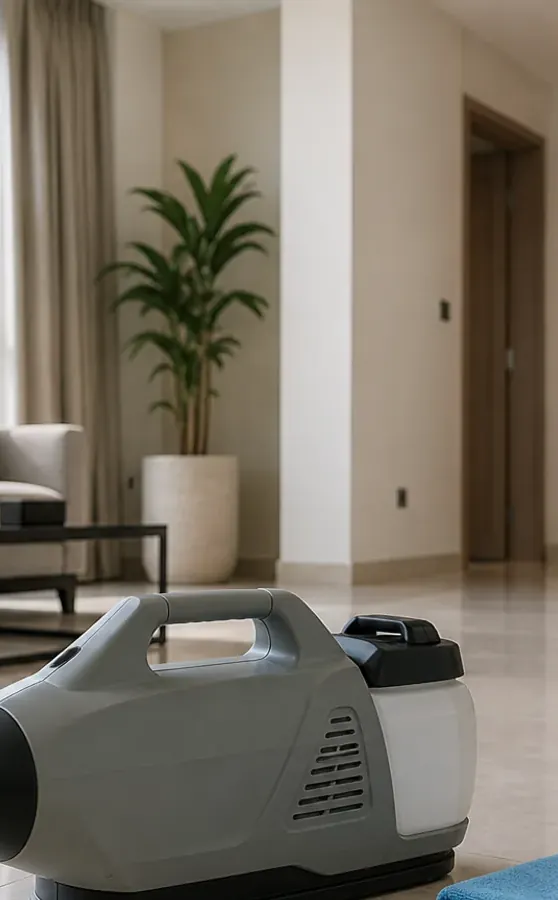
Wadi Qaws is an open rural area with farms, scattered homes and resthouses spread across open plots. Winds carry dust from fields and seasonal roads over long distances, and the ground absorbs moisture differently than the city, so dampness concentrates in particular ways. Disinfection here must account for the open landscape, distance and isolation in a way urban work does not.
Floors here are a mix of bare earth, gravel and plain cement, and they absorb moisture readily from seasonal runoff and light floods, with dust arriving from great distances. For the method itself, see our disinfection and sanitisation service in detail.
Homes here sit close to seasonal runoff and flood flows, so moisture concentrates in lower areas and under buildings. Mould and damp gather in foundations and low corners far more than in the city, so disinfection targets these areas.
Winds carry field and seasonal road dust over very long distances. Surfaces here accumulate dust more heavily, and pre-cleaning needs extra effort to remove layers of settled dust.
Porous soil holds water differently than city concrete. Dampness rises from below by capillary action, so low floors and foundations need protection from moisture during and after disinfection.
A valley running from Jabal Khashash east of Jeddah toward the coast, near Wadi Qaws Dam, an open area with farms, wide plots and seasonal damp ground.
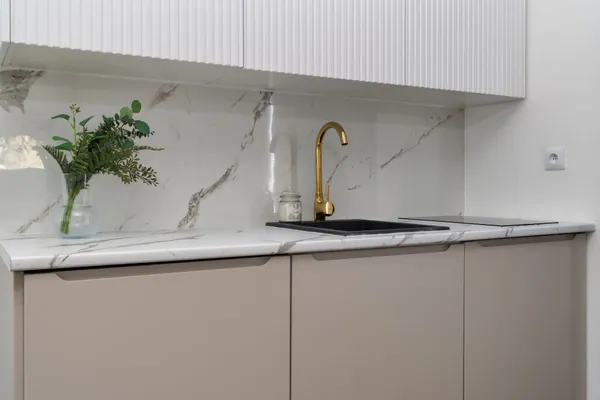
Floors need strong vacuuming to remove accumulated seasonal dust, then washing with water and strong cleaner before disinfection.
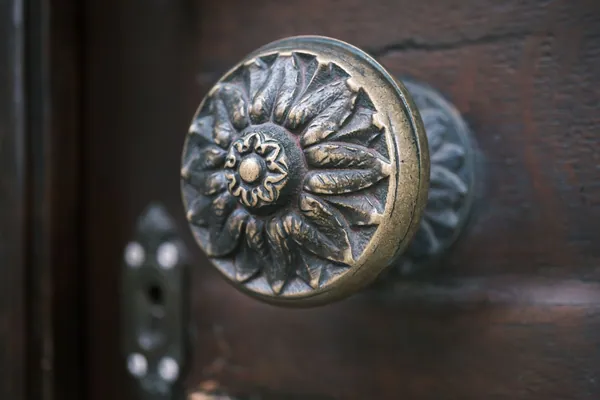
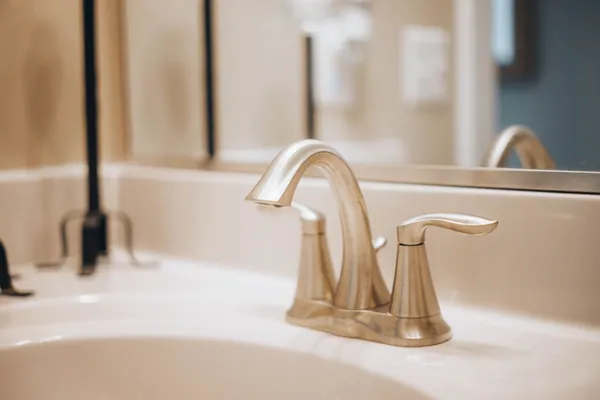
Door handles, taps and frequently touched surfaces need focus on low corners where moisture collects and mould begins.
Drains, grout lines and areas around foundations need special treatment for mould and dampness before full disinfection.
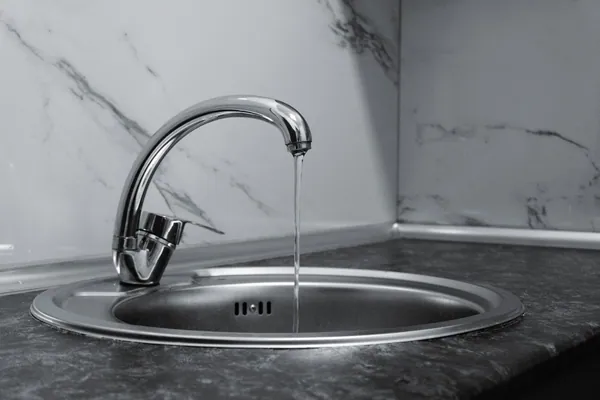
Taps and kitchen surfaces need cleaning from deposits and damp-related mould before disinfection begins.
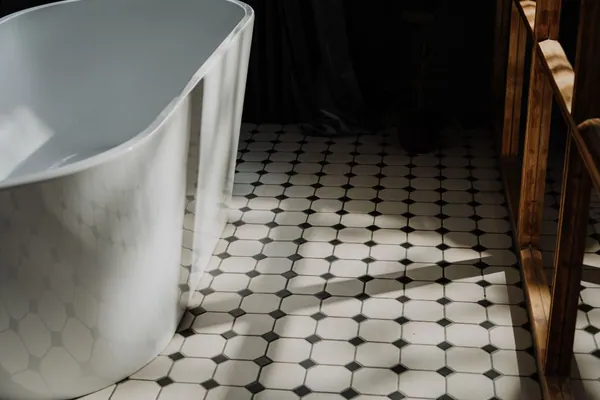
All drains, grout and low corners need high focus because capillary moisture and natural dampness concentrate there most.
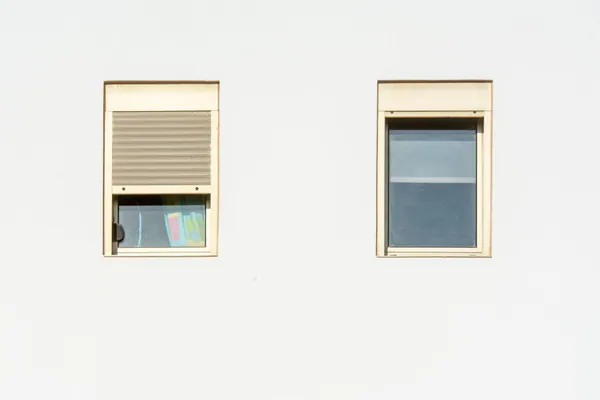
Post-disinfection ventilation must run long to remove dampness, with windows open for extended periods even in cool weather.
A move-in, an illness and an after-party aren't the same job.
Grime and grease shield what's under them.
A disinfectant has to stay wet on the surface to work.
Handles, switches, taps and rails are done by hand because they carry the most and need direct contact that fogging alone doesn't give.
Once the hard surfaces are done, a fine fog reaches the air, the fabrics and the corners a cloth can't, settling over what hand-wiping misses.
We open up and air the rooms, then walk the home with you before leaving.
The common mistake is spraying disinfectant over dirt.
The company runs a large crew, and we send a team rather than one person.
The foggers and the products come with the team.
If what you need is deep cleaning or mould work rather than disinfection, we tell you.
Photographs from real jobs carried out by the crew.












The commitment is simple enough to actually keep: we don't leave until you've seen the result and had your say on it.
Access to homes here is organised in relation to Wadi Qaws Dam and Jabal Khashash: scattered homes sit between Al Qaws Street and roads extending eastward, with open terrain defining approach routes and ventilation strategy after treatment.
We provide these in Wadi Qaws too, and more than one can share a single visit.



