
Clean first, then disinfect
The common mistake is spraying disinfectant over dirt.
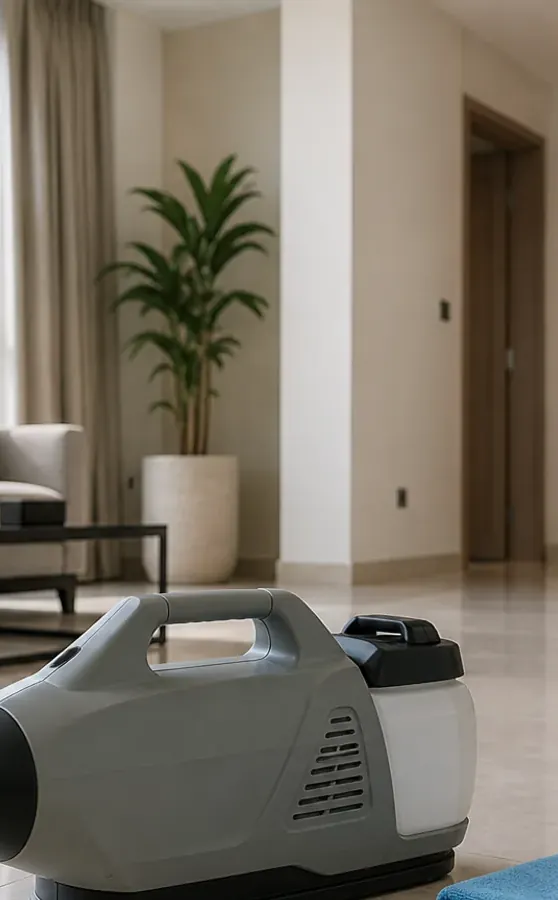
Petromin is a popular quarter in south Jeddah built as part of a slum clearance and replanning programme, now sitting beside the Jeddah refinery from which it takes its name. Housing is relatively recent but the air carries benzene and oil fumes from the refinery daily. Disinfection here means treating surfaces coated with a light oily layer from refinery vapours. The pre-clean targets removing that oily film before disinfectant is applied, because oil, even in light coats, blocks chemical treatment.
Surfaces in homes here retain oil and petrol smell from the refinery longer than any other district, with curtains and furnishings holding a heavy odour. For the method itself, see what disinfection and sanitisation involves.
The refinery south of the district sends oily vapours and exhaust that coat home surfaces continuously. This light oily layer differs from heavy kitchen grease but works as an effective barrier to disinfectant. We clean surfaces with a light solvent first to strip the oily coat before disinfection.
Curtains, carpets and mattresses in Petromin absorb oil and petrol smell from the air deeply. That absorbed odour means disinfectant alone will not eliminate the smell, so a pre-wash must come before disinfection to break down the odour and reduce it before the treatment begins.
Window frames and glass gather an oily layer from the air that makes glass appear slightly dulled or hazed. The pre-clean targets removing this oily coat from metal frames and glass before disinfection, because the oily residue blocks both light and disinfectant.
The district lies south Jeddah beside the Jeddah Refinery, and the air carries smell and traces of oil, petrol and refinery smoke throughout every day.
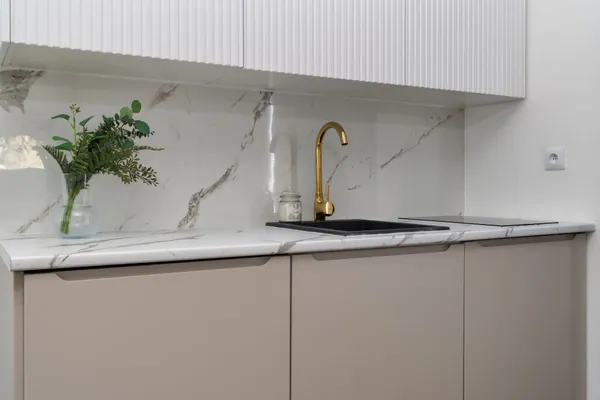
The light oily layer from refinery vapours must be cleaned before disinfection because oil blocks the disinfectant from reaching the actual surface.
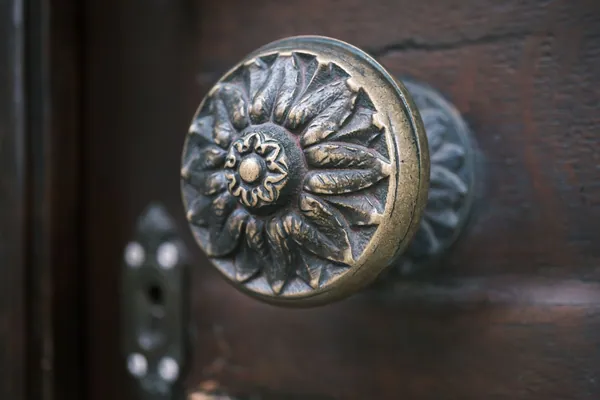
High-touch surfaces hold a light oily coat, so we pre-clean them with a damp cloth before applying disinfectant.
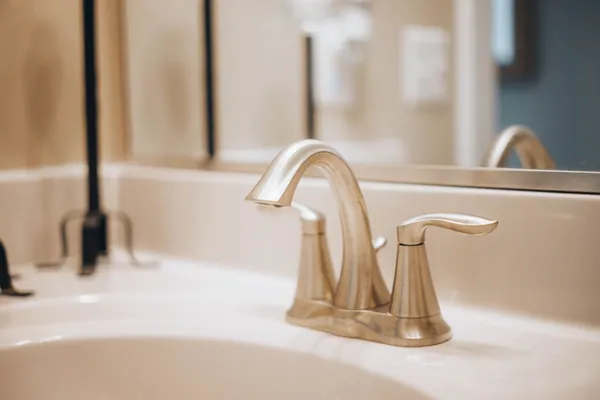
Bathroom taps and metal fixtures accumulate the oily layer quickly, needing careful cleaning before disinfection reaches the metal.
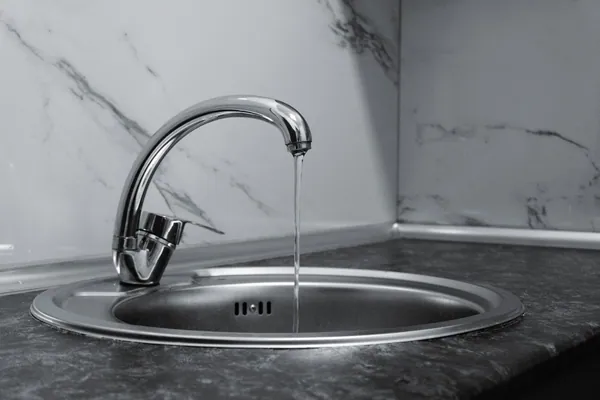
Kitchen surfaces carry an oily layer and refinery haze, requiring special pre-cleaning before disinfection can be effective.
Drains and grout lines trap fine oily particles from refinery air, needing gentle brushing before disinfection begins.
After disinfection, long ventilation is vital because petrol smell and disinfectant odour need hours to disperse completely from the air.
A move-in, an illness and an after-party aren't the same job.
Grime and grease shield what's under them.
A disinfectant has to stay wet on the surface to work.
Handles, switches, taps and rails are done by hand because they carry the most and need direct contact that fogging alone doesn't give.
Once the hard surfaces are done, a fine fog reaches the air, the fabrics and the corners a cloth can't, settling over what hand-wiping misses.
We open up and air the rooms, then walk the home with you before leaving.
The common mistake is spraying disinfectant over dirt.
The company runs a large crew, and we send a team rather than one person.
The foggers and the products come with the team.
If what you need is deep cleaning or mould work rather than disinfection, we tell you.
Photographs from real jobs carried out by the crew.












The commitment is simple enough to actually keep: we don't leave until you've seen the result and had your say on it.
In Petromin we navigate to homes easily via Al Falah Road and Al Nujoom Roundabout, which anchor the district's street network. We use these landmarks to move quickly between addresses across the new development.
We provide these in Petromin too, and more than one can share a single visit.



