
Clean first, then disinfect
The common mistake is spraying disinfectant over dirt.
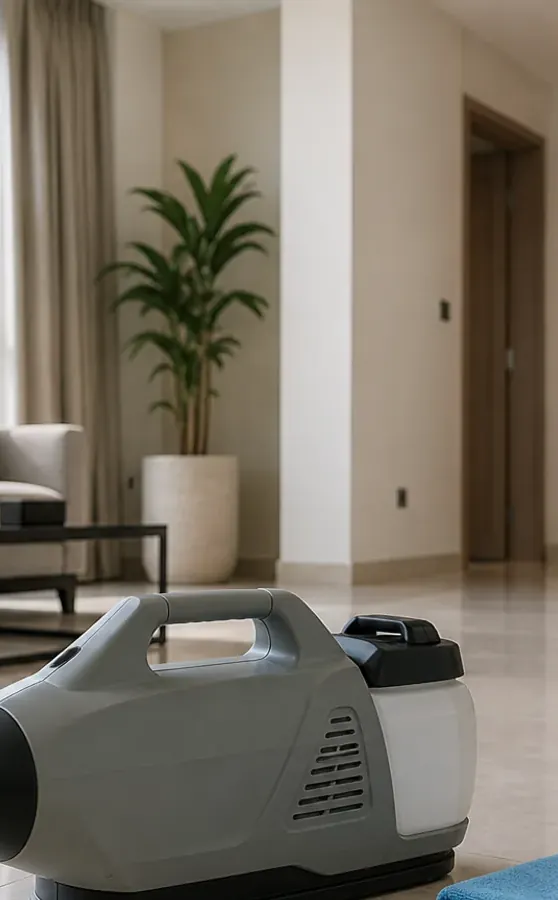
Al Majid is a small residential district in east Jeddah within the developed stretch toward Asfan, close to Wadi Al Ghawla and University of Jeddah Road, with simple homes and quiet streets. Disinfection here is more straightforward than dense districts, but the location's humidity and proximity to the wadi demand different treatment planning.
Homes sit further apart than in major districts with lower building density, but the wadi's moisture creates different surface patterns and faster mould growth than inland neighbourhoods. For the method itself, see the full disinfection and sanitisation page.
The nearby wadi raises air moisture in Al Majid differently than districts far from watercourses. This humidity speeds mould growth in bathrooms and grout lines, requiring stronger disinfection on joints and drains where moisture feeds fungal growth.
Away from main roads and shops, the primary contaminant here is moisture and mould rather than oily diesel soot. Curtains and furniture need disinfection against fungal growth and mildew, not against traffic pollution.
Small flats and villas here have simple construction and older grout lines that trap humidity quickly. These joints hold mould and moisture-loving bacteria, needing stronger specialist disinfection than newer homes with sealed modern grout.
A small residential district with simple character, low density homes spread on recently developed residential streets, near the wadi and hills, surrounded by semi-rural land and open ground.
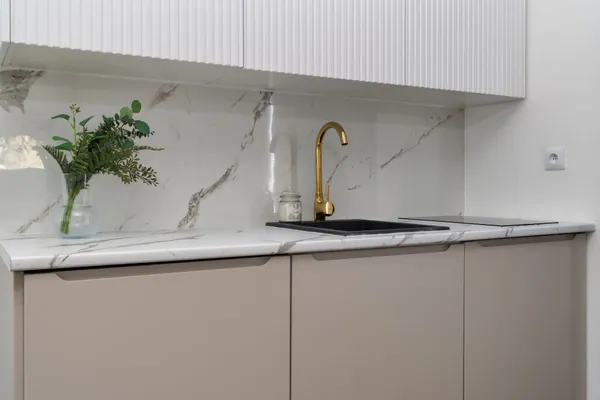
Initial cleaning focuses on damp grout lines and corners because moisture hides old mould embedded beneath surfaces where visual inspection cannot see.
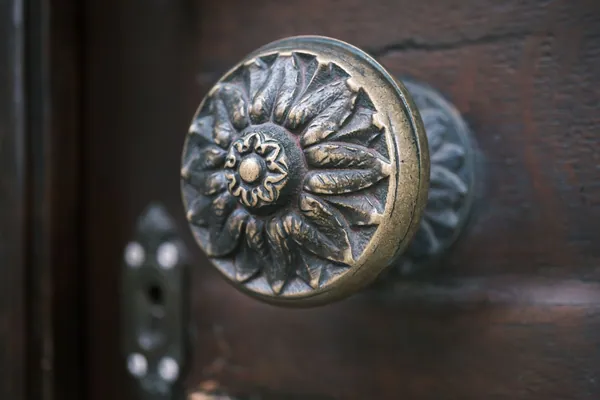
High-touch surfaces like door handles and railings suffer from higher moisture here and need manual scrubbing and strong disinfection against both germs and fungal spores.
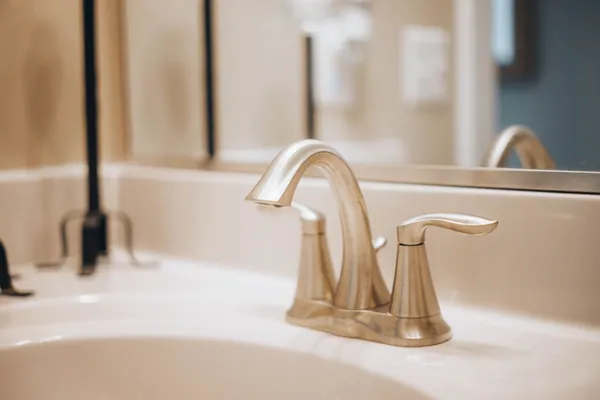
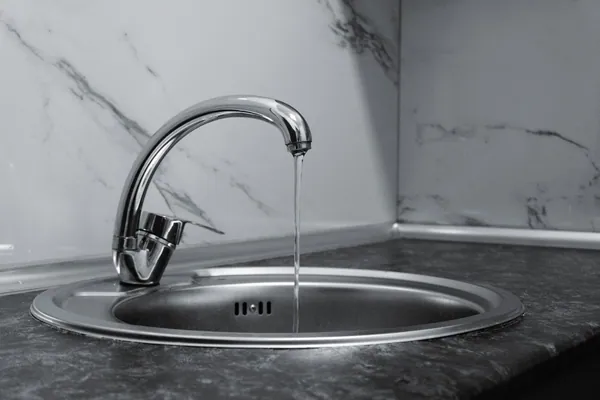
Bathroom taps and drain areas are at high risk for black mould and fungal growth due to persistent moisture from the wadi's high humidity.
Kitchen refrigerator areas and drain points need focused disinfection on the grout and gaps where fungal growth takes hold rapidly in humid conditions.
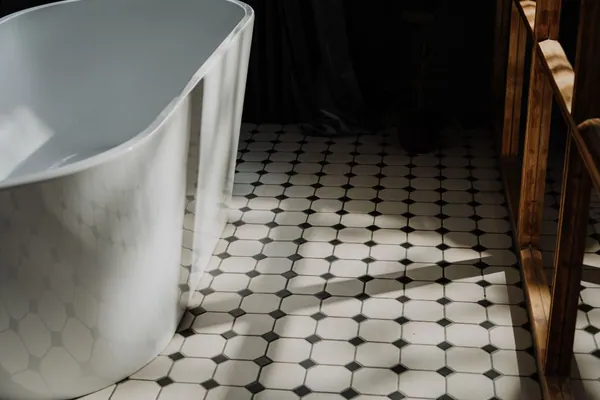
Drains and grout lines are a top priority because the wadi's moisture sustains them and speeds fungal regrowth, demanding specialist treatment and follow-up care.
Strong continuous ventilation after disinfection is essential here: run fans and open windows for a full hour minimum to reduce moisture and slow mould return.
A move-in, an illness and an after-party aren't the same job.
Grime and grease shield what's under them.
A disinfectant has to stay wet on the surface to work.
Handles, switches, taps and rails are done by hand because they carry the most and need direct contact that fogging alone doesn't give.
Once the hard surfaces are done, a fine fog reaches the air, the fabrics and the corners a cloth can't, settling over what hand-wiping misses.
We open up and air the rooms, then walk the home with you before leaving.
The common mistake is spraying disinfectant over dirt.
The company runs a large crew, and we send a team rather than one person.
The foggers and the products come with the team.
If what you need is deep cleaning or mould work rather than disinfection, we tell you.
Photographs from real jobs carried out by the crew.












The commitment is simple enough to actually keep: we don't leave until you've seen the result and had your say on it.
Mixed district: shops at street level with homes above them
In this small mixed district, the primary pollutant is wadi humidity and mould growth, not traffic dust or grease. Disinfection targets fungal and mould elimination rather than soot and oil removal.
We provide these in Al Majid too, and more than one can share a single visit.



