
Clean first, then disinfect
The common mistake is spraying disinfectant over dirt.
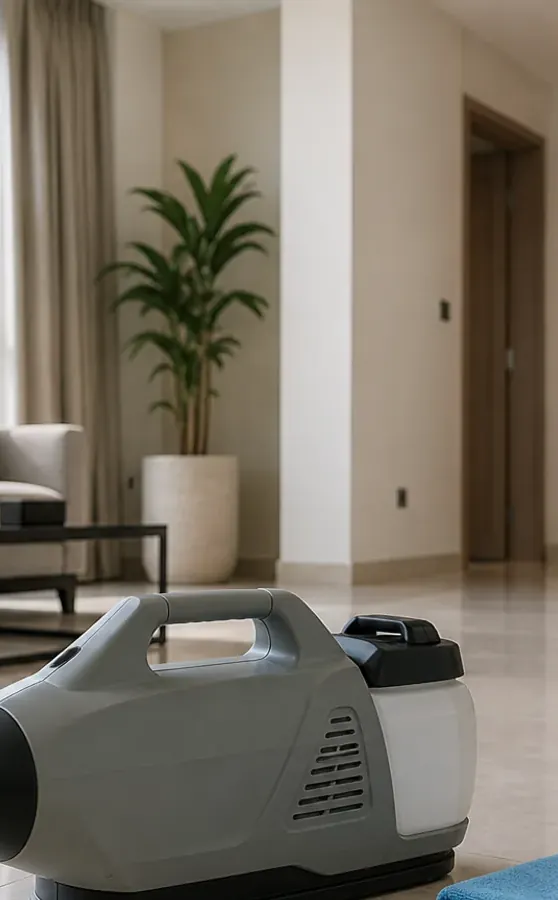
Al Mahamid is unplanned low rise housing on the eastern edge of Jeddah beside the Old Makkah Road, entered mainly from Harazat Road. Unpaved streets and old drainage pipes mean chronic moisture and dust that traps dampness. The neighbourhood needs disinfection that addresses both dry exterior air and interior dampness together, and decades-old building problems: damp walls, failing drainage and dry dust falling onto wet floors. Hidden moisture is the central issue here.
The neighbourhood is included in municipal reorganisation programmes, but the existing construction and drainage pipes remain very old, making chronic moisture the central recurring problem in Al Mahamid. For the method itself, see our disinfection and sanitisation service in detail.
Old failing drainage and low foundations transmit continuous moisture to walls. Damp walls harbour bacteria and mould, and surface disinfection alone cannot solve this. Moisture returns from inside the wall within days of disinfection, undoing the treatment completely.
Continuous internal moisture means floors may remain damp even in dry air. Street dust falls onto the dampness and adheres stubbornly. Cleaning and disinfecting this combined contamination requires specialist handling different from damp-free floors.
Extremely old pipes may be cracked or blocked. Bacteria and mould colonise pipes and walls, so treating drainage and walls separately is necessary before flat disinfection begins, or contamination sources continue to reinfect the interior.
Unplanned construction and unpaved streets mean weak drainage and faster accumulation of both dust and moisture combined. Aging foundations transmit continuous seepage into old walls that absorb and retain the dampness.
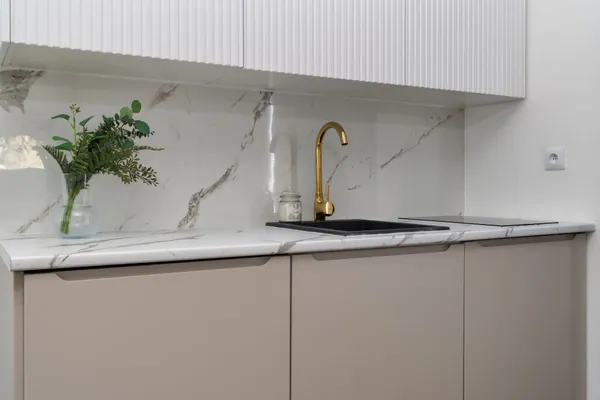
Cleaning before disinfecting must address wet dust that clings far more stubbornly than dry dust, requiring stronger cleaners and longer soaking time.
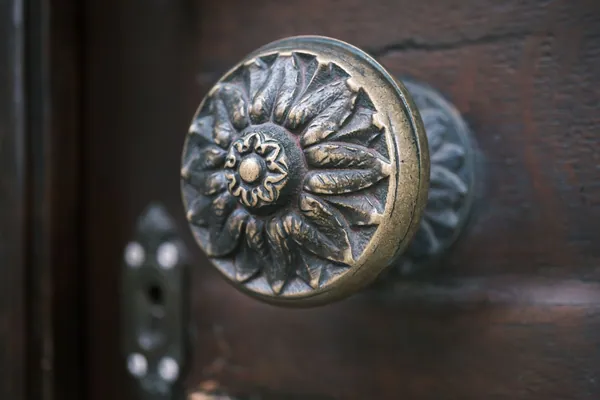
High-touch surfaces like door handles accumulate thick damp dust layers that require vigorous cleaning before disinfectant can be effective.
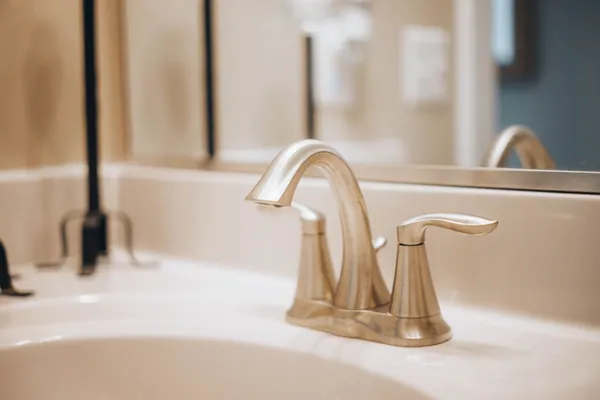
Bathrooms are likely the dampest rooms, and black mould may coat walls around the toilet and bath. Specialist mould treatment may be needed before general disinfection.
Kitchen and food preparation surfaces collect a mixture of wet dust and grease, requiring vigorous cleaning before disinfectant can work.
Drains and grout lines are critical: old pipes may be cracked and mould lives in them. Drain and grout treatment first is absolutely essential, not optional.
Contact time may need extension because consistently high humidity slows drying significantly, and vigorous ventilation is essential to remove excess moisture and lingering fumes.
A move-in, an illness and an after-party aren't the same job.
Grime and grease shield what's under them.
A disinfectant has to stay wet on the surface to work.
Handles, switches, taps and rails are done by hand because they carry the most and need direct contact that fogging alone doesn't give.
Once the hard surfaces are done, a fine fog reaches the air, the fabrics and the corners a cloth can't, settling over what hand-wiping misses.
We open up and air the rooms, then walk the home with you before leaving.
Mixed district: shops at street level with homes above them
In a mixed neighbourhood like Al Mahamid with decades of building history, chronic moisture is the underlying problem. Disinfection alone fails if pipes are leaking and walls stay damp. You may need separate moisture and mould treatment first, then repeated disinfection, because moisture returns rapidly and accelerates recontamination.
The common mistake is spraying disinfectant over dirt.
The company runs a large crew, and we send a team rather than one person.
The foggers and the products come with the team.
If what you need is deep cleaning or mould work rather than disinfection, we tell you.
Photographs from real jobs carried out by the crew.












The commitment is simple enough to actually keep: we don't leave until you've seen the result and had your say on it.
East Jeddah lies furthest from the sea and closest to the open ground and hills beyond the ring roads, so the air is drier and the dust is coarser and paler than on the coast. It comes in under doors and settles on every flat surface overnight, making sofas, mattresses and curtains the heaviest part of the routine. Floors are mostly ceramic tile in the apartment districts and marble in the villa areas, both scratched by grit that is mopped rather than swept. Roof tank water leaves a grey film of sediment in baths and basins.
We provide these in Al Mahamid too, and more than one can share a single visit.



