
Clean first, then disinfect
The common mistake is spraying disinfectant over dirt.
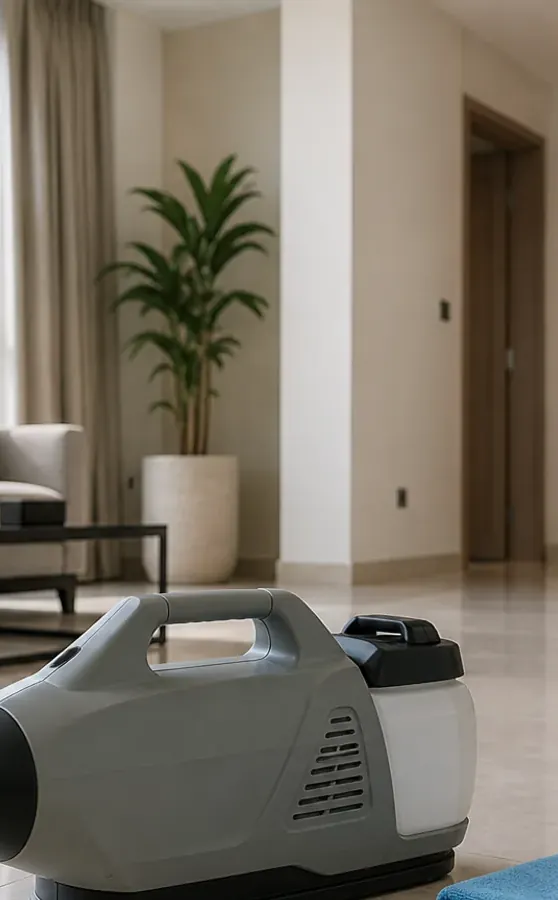
Al Muruj is a new district in north Jeddah bustling with construction and empty land. Ongoing foundations and building work mean dense dust and sand constantly. This dust enters new homes and flats through cracks and seams, settling on surfaces and furniture. New houses here need deeper disinfection because construction dust builds faster than in completed areas, and the settling happens continuously.
Furniture, floors and window frames show sand after a single night when construction is happening next to you, and gaps around windows are packed with construction dust. For the method itself, see the full disinfection and sanitisation page.
Construction in Al Muruj means constant dust that never stops. Foundations, excavation and building work release fine sand particles all day. This dust enters new homes and builds faster than anywhere else. Disinfection means removing these layers first so it can reach the actual surface.
New homes have fresh seams around doors and windows that are not yet sealed tightly. Dust enters through every gap. Disinfection of these seams needs more care than in older established homes.
Brand-new furniture and flooring can be easily affected by heavy building dust. Continuous site work means dust returns quickly. Disinfection needs deeper treatment and longer ventilation time.
A subdivision within Obhur Al Shamaliyah in north Jeddah, within the city's new urban extension, with vacant plots between newly released housing, served by Jeddah Madinah Road and King Abdulaziz Road.
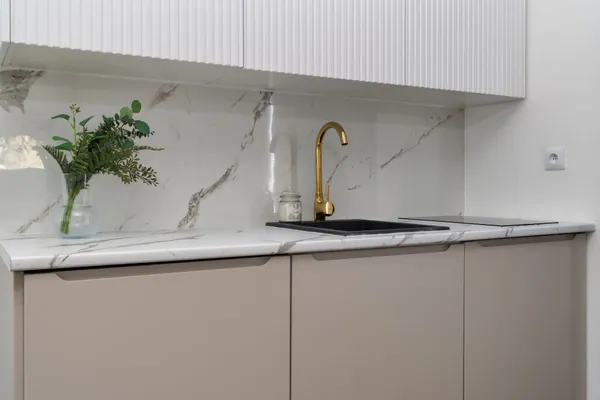
Cleaning needs special focus on seams, corners and floors because construction dust builds in tight spaces and settles heavily.
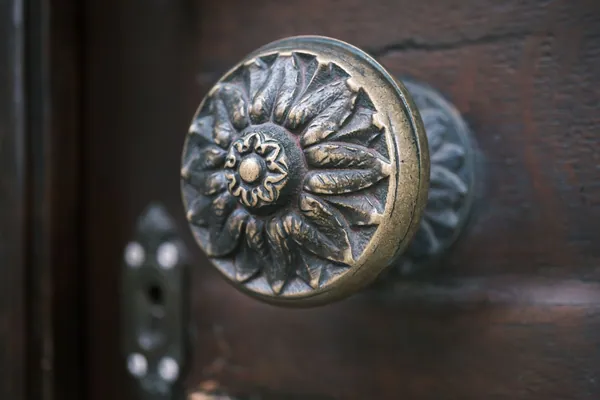
High-touch surfaces carry heavy dust and may be sticky from moisture and oils in the air around building sites.
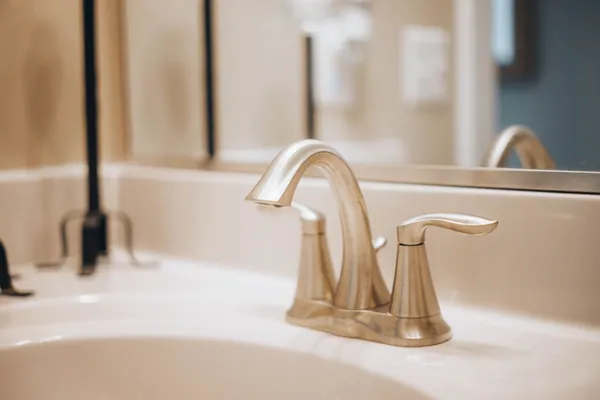
New bathrooms may not have been fully cleaned of dust and sand that built up during construction work.
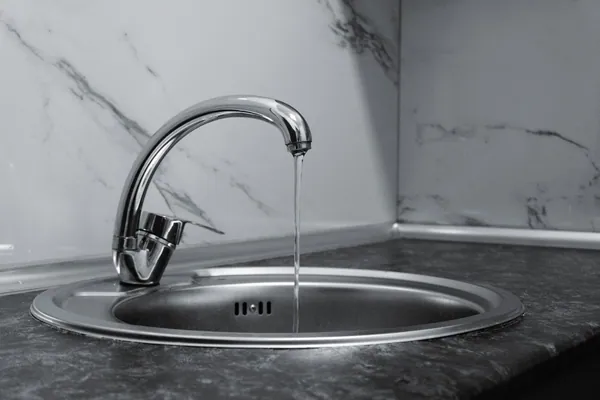
New kitchens may need deep cleaning first because construction dust enters even closed cupboards and sealed drawers.
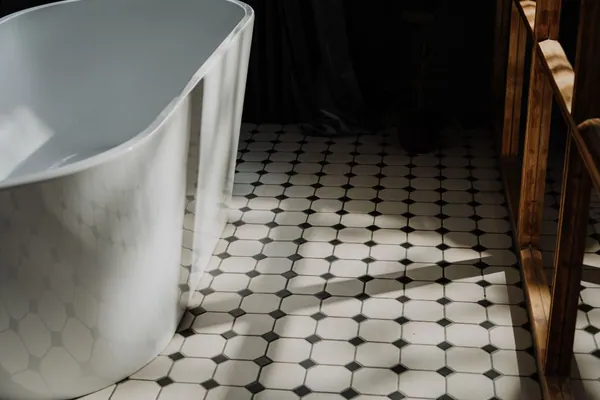
Drains and grout lines may carry heavy sand particles from building work, needing separate treatment.
Ventilation may be slow because dust returns quickly from ongoing construction happening all around the building.
A move-in, an illness and an after-party aren't the same job.
Grime and grease shield what's under them.
A disinfectant has to stay wet on the surface to work.
Handles, switches, taps and rails are done by hand because they carry the most and need direct contact that fogging alone doesn't give.
Once the hard surfaces are done, a fine fog reaches the air, the fabrics and the corners a cloth can't, settling over what hand-wiping misses.
We open up and air the rooms, then walk the home with you before leaving.
The common mistake is spraying disinfectant over dirt.
The company runs a large crew, and we send a team rather than one person.
The foggers and the products come with the team.
If what you need is deep cleaning or mould work rather than disinfection, we tell you.
Photographs from real jobs carried out by the crew.












The commitment is simple enough to actually keep: we don't leave until you've seen the result and had your say on it.
New development: ongoing construction and vacant plots between the homes
In a new development, ongoing construction means an environment that constantly changes. The home itself is new but surrounded by homes under construction, excavation and materials. Disinfection here protects not only from germs but from heavy dust that enters every crack and continuously batters surfaces and furniture.
We provide these in Al Muruj too, and more than one can share a single visit.



