
Clean first, then disinfect
The common mistake is spraying disinfectant over dirt.
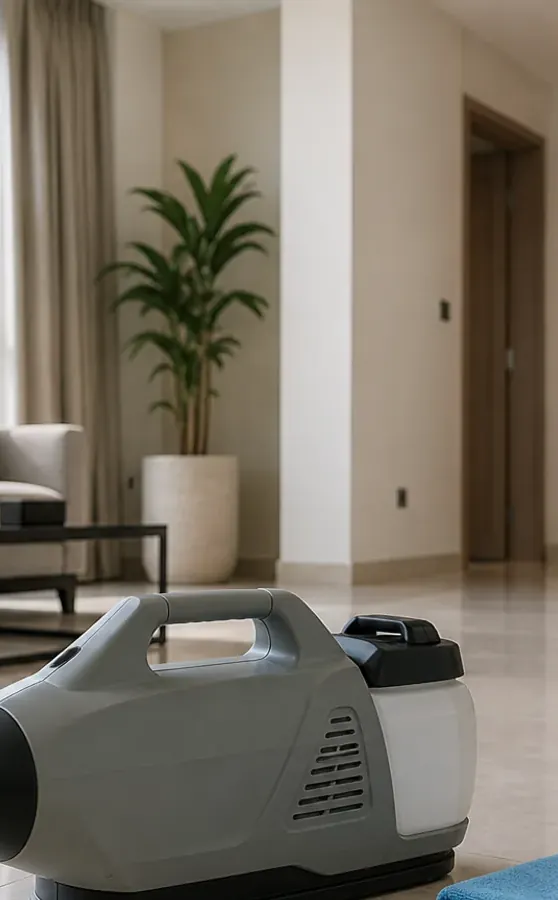
Al Wafa is a small simple mixed district in east Jeddah toward Asfan close to University of Jeddah road, with shops below and residential flats above. It lies very near the University stadium, and rough desert dust and coarse grit enter easily from open ground. Disinfection needs treatment of coarse dust and heavy grime before any disinfectant product is applied.
Desert dust and dust from the stadium enters under doors and settles on every surface overnight, making sofas, mattresses and curtains the heaviest part of the routine. For the method itself, see what disinfection and sanitisation involves.
The desert and hills are very close and air is dry. Dust is rough and lighter in colour than coastal dust, and it enters under doors easily leaving grey sediment. Surfaces need sweeping before washing and washing before disinfection.
Roof tanks in this district may hold water with sediment, and washing surfaces with it leaves a grey film in sinks and bathroom fixtures. Disinfection does not remove this sediment, so separate cleaning is needed first.
Dry air makes sofas, mattresses and curtains accumulate more dust particles. Dirt settles by dryness not by damp, so it needs brushing and sweeping before disinfection can work.
A small simple residential district close to open desert and hills beyond the roads. The air is dry and dust is coarse and paler than on the coast.
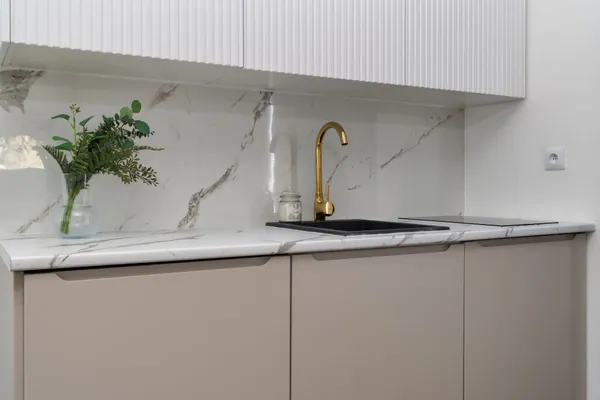
Surfaces in a district near the desert are coated with grey sediment from dust and tank water, so they need cleaning product washing before disinfection.
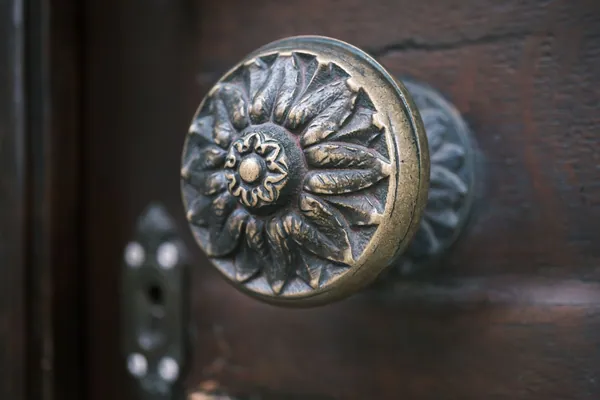
Door handles and curtains and fabrics hold coarse dark desert dust longer than coastal districts, so they need careful hand cleaning first.
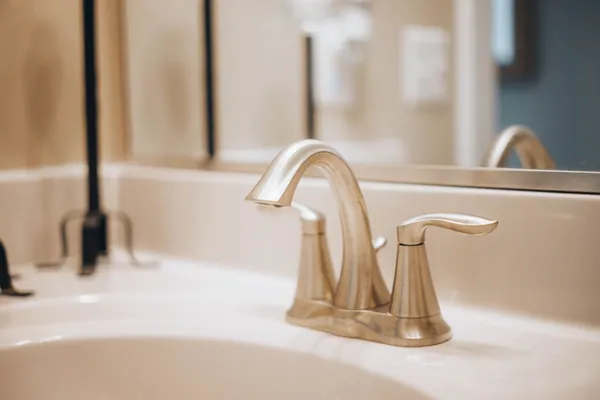
The bathroom may have grey sediment from roof tank water, so drains and grout need careful cleaning before disinfection.
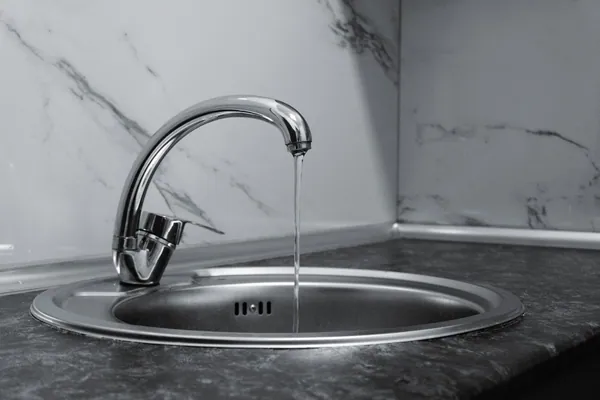
Kitchen surfaces gather dust from the desert and stadium, so they need strong washing before disinfecting any food preparation area.
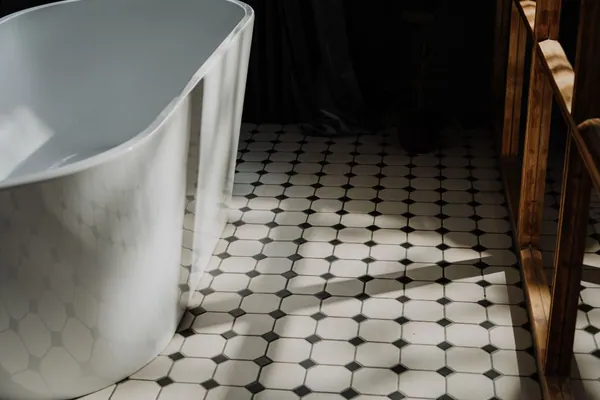
Tile grout collects coarse dust and grey sediment, so it needs brushing and deep cleaning before disinfection is applied.
Ventilation after disinfection is essential but wind from the desert may carry fresh dust, so we wait until odour has cleared and the air is completely dust-free.
A move-in, an illness and an after-party aren't the same job.
Grime and grease shield what's under them.
A disinfectant has to stay wet on the surface to work.
Handles, switches, taps and rails are done by hand because they carry the most and need direct contact that fogging alone doesn't give.
Once the hard surfaces are done, a fine fog reaches the air, the fabrics and the corners a cloth can't, settling over what hand-wiping misses.
We open up and air the rooms, then walk the home with you before leaving.
Mixed district: shops at street level with homes above them
A mixed district at the desert edge with a stadium nearby means shops below and flats above with heavy desert dust everywhere.
The common mistake is spraying disinfectant over dirt.
The company runs a large crew, and we send a team rather than one person.
The foggers and the products come with the team.
If what you need is deep cleaning or mould work rather than disinfection, we tell you.
Photographs from real jobs carried out by the crew.












The commitment is simple enough to actually keep: we don't leave until you've seen the result and had your say on it.
East Jeddah lies furthest from the sea and closest to the open ground and hills beyond the ring roads, so the air is drier and the dust is coarser and paler than on the coast. It comes in under doors and settles on every flat surface overnight, making sofas, mattresses and curtains the heaviest part of the routine. Floors are mostly ceramic tile in the apartment districts and marble in the villa areas, both scratched by grit that is mopped rather than swept. Roof tank water leaves a grey film of sediment in baths and basins.
We provide these in Al Wafa too, and more than one can share a single visit.



