
Clean first, then disinfect
The common mistake is spraying disinfectant over dirt.
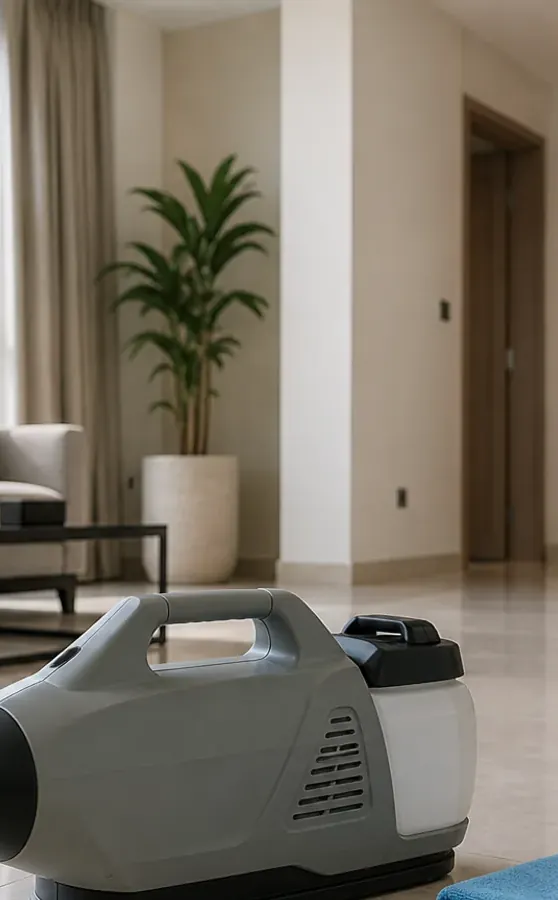
Khaleej Salman sits on the Red Sea coast north of Jeddah, where coral reefs edge a shallow bay and sea air leaves salt deposits on everything. Disinfecting here is not simply killing germs; it means first removing the salt film that coats glass, outdoor fabrics and surfaces, then applying a disinfectant strong enough for the humidity and the mould that follows it.
Outdoor furniture, cushions and canopies accumulate a layer of salt and dust far more quickly than in inland districts, and basic disinfectants do not penetrate the barrier this creates. For the method itself, see what disinfection and sanitisation involves.
Sea air leaves salt residue on windows, glass panels and outdoor fabrics, creating a barrier that stops disinfectant reaching the surface underneath. We remove the salt first with a descaling rinse, then disinfect the surface properly. Without this step, the spray sits on top and dries without effect.
Coastal humidity speeds the growth of mould and fungi in curtains, soft furnishings and sealed corners. Disinfection alone does not work if it is not followed by strong ventilation and prompt drying. The air must be moved through every room to prevent the spores from settling again.
The chalets and villas here feature gardens, courtyards and patios that require the furniture, walkways and decking to be disinfected separately from indoors. This demands different equipment and a disinfectant formulated to withstand direct sunlight without breaking down.
Salt air settles on the large windows, open-plan curtains and outdoor furnishings characteristic of these coastal properties. Irrigation spray dries to chalky rings on the marble and porcelain floors found throughout the villas and chalets.
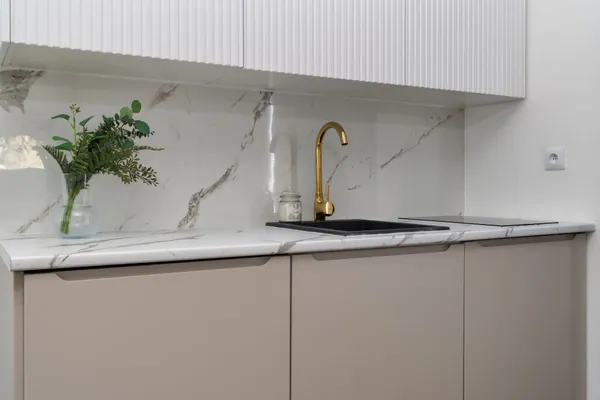
Salt deposits on surfaces and windows block disinfectant from working, so we rinse away the salt first with a descaling product before any disinfection begins on that surface.
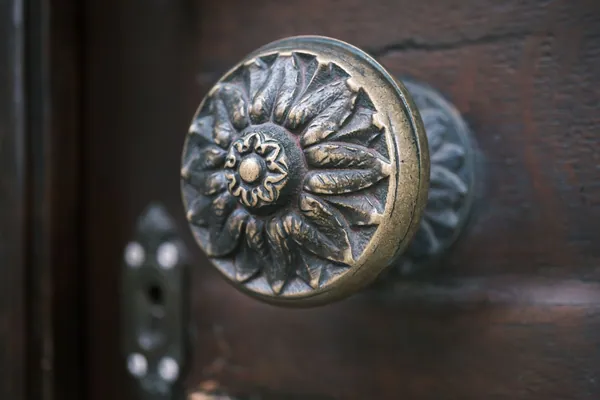
Door handles, window frames and railings accumulate salt and mould rapidly in the coastal climate, and disinfecting them requires a strong product and immediate ventilation of the surrounding air.
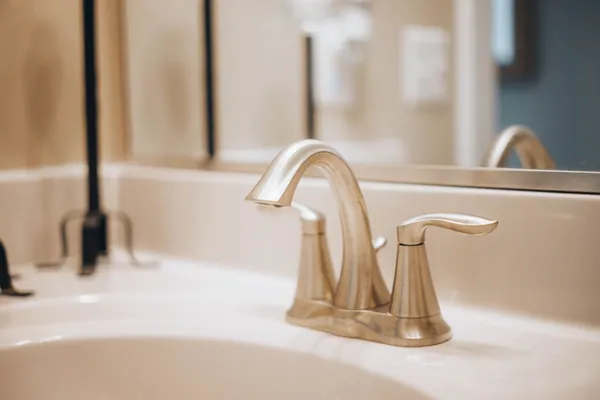
Bathroom taps and drains operate in a humid environment where salt exposure is constant, and clearing both mineral and organic deposits before disinfection is essential because moisture causes premature corrosion.
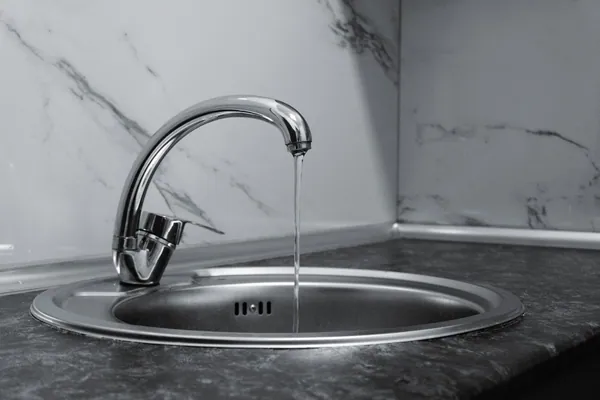
Kitchen surfaces and refrigerator seals are exposed to salt air entering through open windows, and deep cleaning before disinfection is necessary to ensure the product reaches all affected areas.
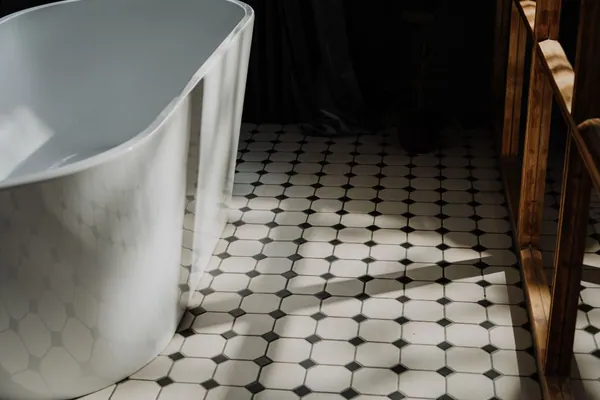
Grout lines between tiles collect salt and mould deposits, requiring scrubbing before disinfection because humidity causes cracks and gaps to widen rapidly in coastal zones.
Ventilation after disinfection is critical in Khaleej Salman because coastal humidity allows microbes to recolonise quickly, so windows and doors are left open for several hours to ensure thorough air exchange.
A move-in, an illness and an after-party aren't the same job.
Grime and grease shield what's under them.
A disinfectant has to stay wet on the surface to work.
Handles, switches, taps and rails are done by hand because they carry the most and need direct contact that fogging alone doesn't give.
Once the hard surfaces are done, a fine fog reaches the air, the fabrics and the corners a cloth can't, settling over what hand-wiping misses.
We open up and air the rooms, then walk the home with you before leaving.
Khaleej Salman sits about 8.5 km from Al Shati Al Thahabi and about 11 km from Al Zumurrud.
Open in Google MapsThe common mistake is spraying disinfectant over dirt.
The company runs a large crew, and we send a team rather than one person.
The foggers and the products come with the team.
If what you need is deep cleaning or mould work rather than disinfection, we tell you.
Photographs from real jobs carried out by the crew.












The commitment is simple enough to actually keep: we don't leave until you've seen the result and had your say on it.
North Jeddah is largely newer villa districts and compounds around Obhur and inland from it. Homes here tend to have marble or porcelain floors, large windows and a garden or courtyard, so the routine is set by what comes in from outside: fine sand carried on sandals, and sprinkler spray that dries to a chalky ring on tiles. Near the creek and the coast, sea air leaves a faint salt film on glass and on outdoor cushions, which stiffens fabric. Curtains and upholstery in these open plan rooms catch the dust that settles overnight.
We provide these in Khaleej Salman too, and more than one can share a single visit.



