
Clean first, then disinfect
The common mistake is spraying disinfectant over dirt.
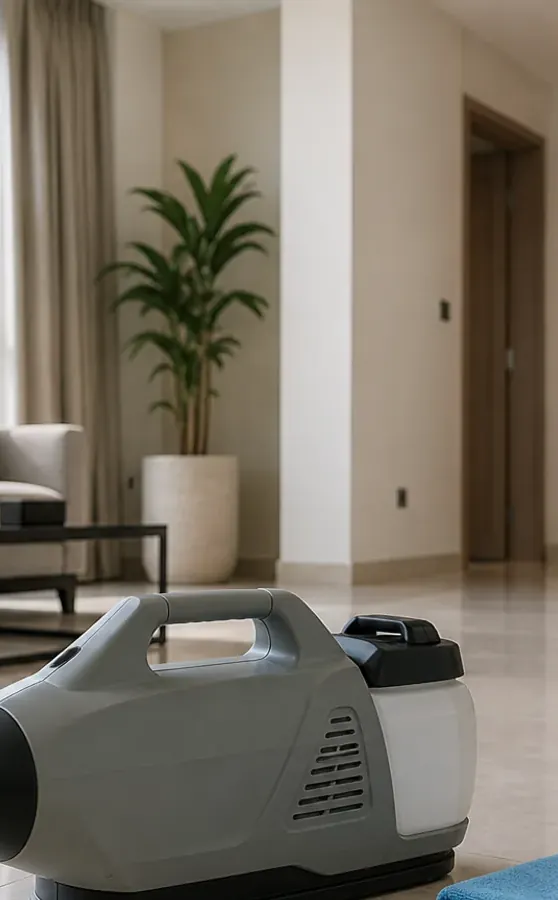
Al Hamra is an established upmarket coastal district, a mix of villas, apartments and hotels sitting directly on the Corniche. High humidity and salty sea air mean surfaces trap moisture longer, and mould and musty smells can start within days. Disinfection here must also address the dampness that lets mould return immediately.
Fabrics and upholstery here absorb sea moisture, and curtains in particular trap mould in their folds if not ventilated immediately after treatment, even before residents return to the rooms. For the method itself, see our guide to disinfection and sanitisation.
Damp sea air penetrates every joint and gap, and mould grows inside fabrics and curtains before it is even visible. Disinfection that lacks complete drying and ventilation will not stop new mould from growing back within days.
Al Hamra holds hotels and holiday apartments where guest turnover is high, so surfaces touch new hands constantly. Surface-level disinfection will not work on high-touch zones in these settings.
The King Fahd Fountain and nearby Corniche mean sea spray settles on windows and handles daily. This salt layer becomes a breeding ground for bacteria, so it must be washed away first before any disinfection can be effective.
The seafront location means high relative humidity year-round, and the wide windows allow sea spray and salt to enter directly into living spaces, settling on all surfaces and fabrics.
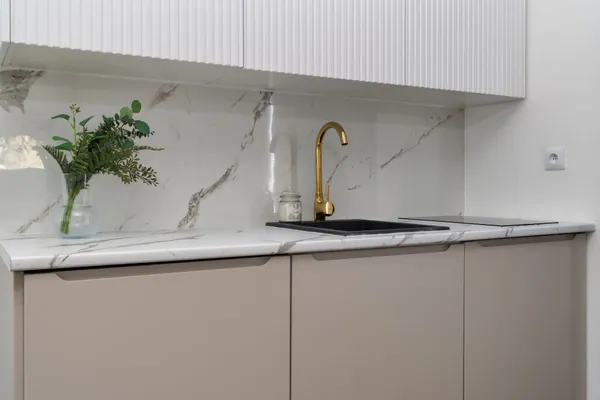
Deep cleaning first here means removing old salt and mould from glass and handles before disinfection begins, so that the disinfectant actually reaches the surface beneath.
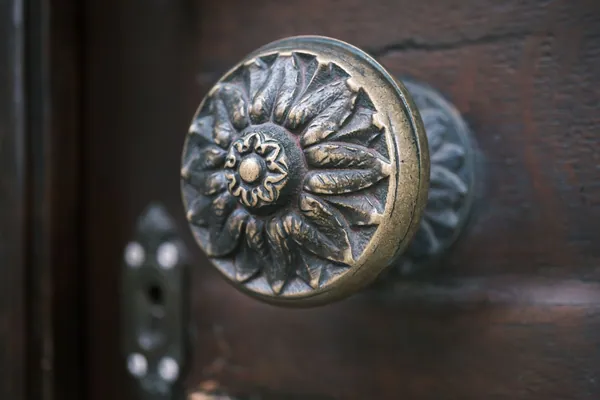
High-touch surfaces in hotels and holiday apartments need treatment every few hours during guest stays, not once a month like a residential home.
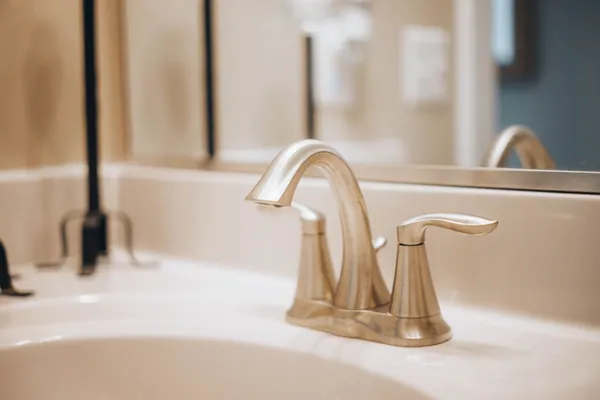
Tap handles, shower fixtures and light switches trap moisture and salt together, so they need cleaning and drying before disinfection can work on them.
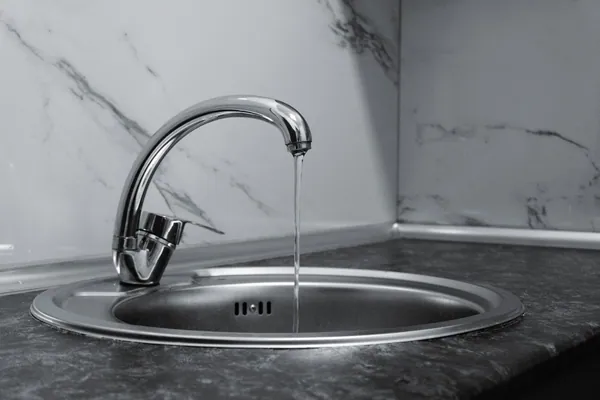
Kitchen surfaces here are often marble or granite, prone to cooking grease stains, and sea salt interferes with disinfectant absorption on these polished stones.
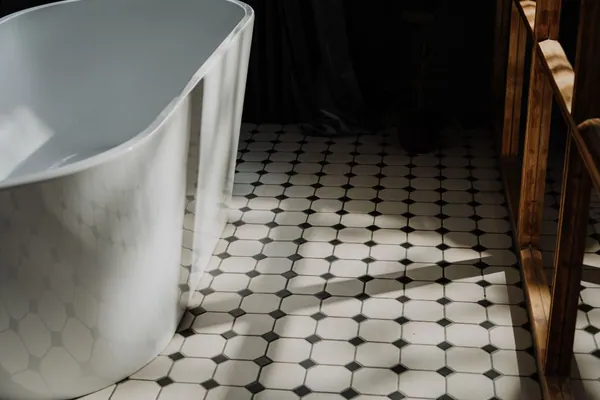
Drains and grout lines trap moisture and mould, and high humidity means new mould grows back quickly if these areas are not dried thoroughly after treatment.
Ventilation after disinfection here is essential and must be sustained for hours, because damp air will re-absorb moisture into fabrics within minutes if not forced dry by circulation.
A move-in, an illness and an after-party aren't the same job.
Grime and grease shield what's under them.
A disinfectant has to stay wet on the surface to work.
Handles, switches, taps and rails are done by hand because they carry the most and need direct contact that fogging alone doesn't give.
Once the hard surfaces are done, a fine fog reaches the air, the fabrics and the corners a cloth can't, settling over what hand-wiping misses.
We open up and air the rooms, then walk the home with you before leaving.
The common mistake is spraying disinfectant over dirt.
The company runs a large crew, and we send a team rather than one person.
The foggers and the products come with the team.
If what you need is deep cleaning or mould work rather than disinfection, we tell you.
Photographs from real jobs carried out by the crew.












The commitment is simple enough to actually keep: we don't leave until you've seen the result and had your say on it.
Coastal area: high humidity and salt air through the year
High humidity and salt mean Al Hamra disinfection is not only about killing germs, but preventing mould regrowth in weeks. The work must include strong drying and ventilation for hours after application to stop dampness from bringing mould back.
We provide these in Al Hamra too, and more than one can share a single visit.



