
Clean first, then disinfect
The common mistake is spraying disinfectant over dirt.
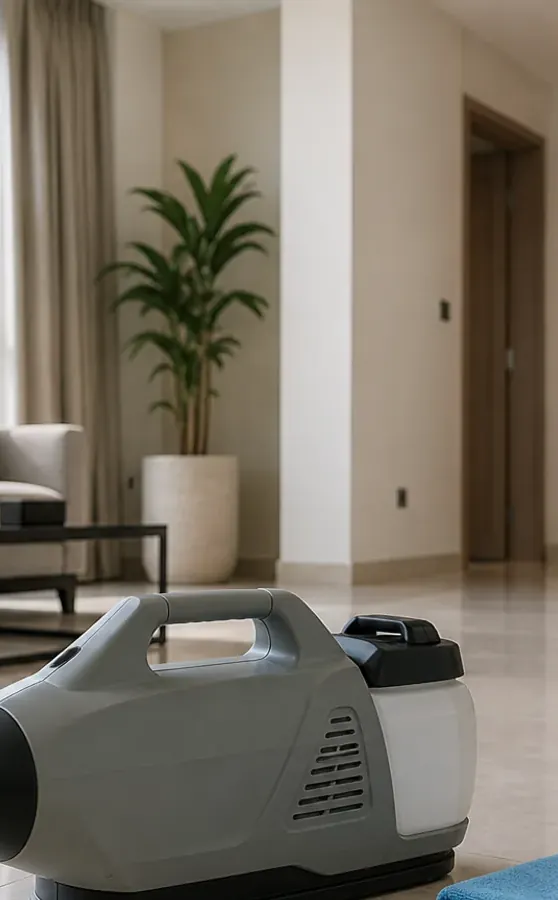
Al Aqeeq is a subdivision of Obhur Al Shamaliyah in north Jeddah, part of the new urban extension mostly of newly released land plots with ongoing construction nearby. The northern new location means marble and porcelain surfaces are pristine, but active building sites and vacant plots raise airborne dust significantly: white dust from concrete and excavation sand drift into homes easily and settle on new marble and tile.
New villas in Al Aqeeq need regular disinfection not from wear, but because ongoing construction raises concrete dust and white building debris that enters homes easily and sticks to new marble and porcelain surfaces. For the method itself, see the full disinfection and sanitisation page.
Continuous building around Al Aqeeq raises white concrete and sand dust. This dust is lighter and whiter than ordinary road dust, and enters villas easily through windows and doors. On white marble and light porcelain, this dust shows immediately.
New marble is not like aged worn terrazzo, but pristine. White dust bonds to it easily, and cleaning needs special product that does not scratch new luxury marble. Disinfectant after it must also be safe for new marble.
Excavation around the villa raises groundwater moisture. Bathrooms experience higher than normal humidity, and mould grows fast on marble and porcelain in the bathroom despite being brand new.
The district is very new and building is ongoing, with new marble and porcelain flooring throughout. Vacant land and ongoing excavation nearby mean the air carries white concrete dust and excavation sand at high levels.
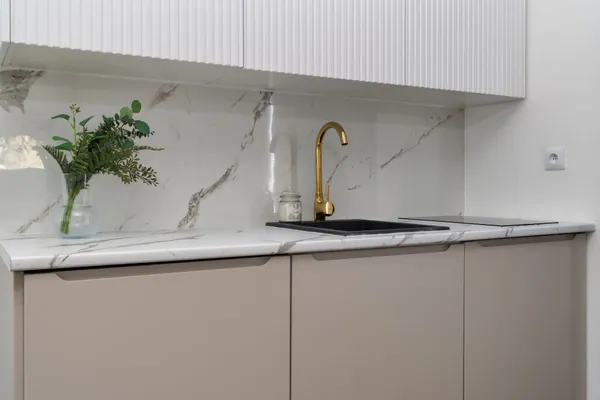
Before disinfecting we remove white construction dust carefully from new marble using special cleaner that does not scratch the surface, especially from windows and high level surfaces.
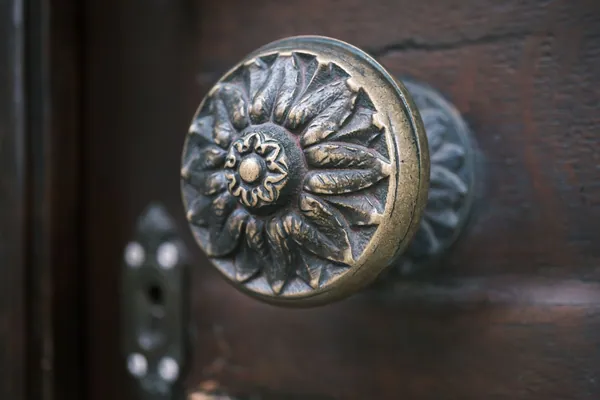
Door and window marble handles carry worker hand marks and construction dust. Gentle but thorough cleaning first, then disinfection, is essential.
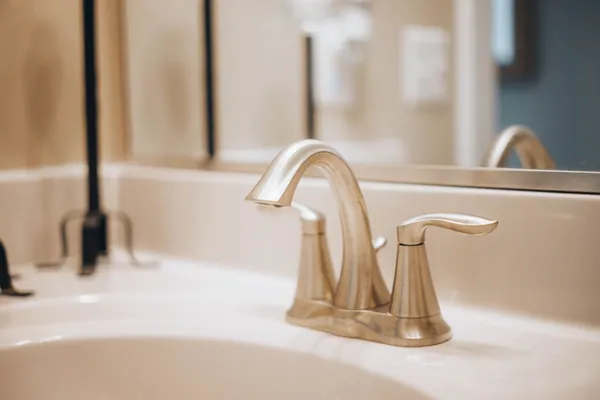
Bathroom taps and marble handles sit under moisture from excavation and construction nearby. Gentle cleaning then disinfection prevents mould growing on new marble.
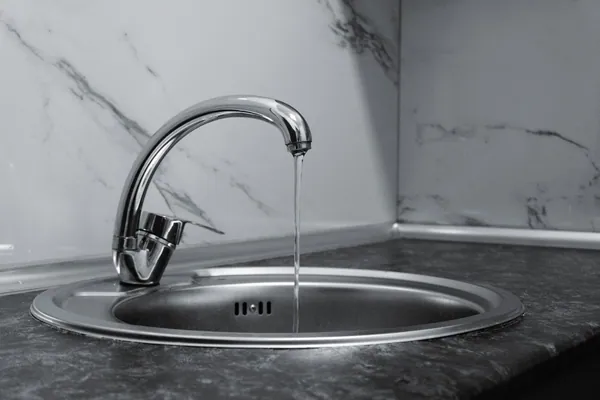
Kitchen work surfaces and fridge handles carry white construction dust. Gentle cleaning with special product first, then disinfection safe for new marble and surfaces.
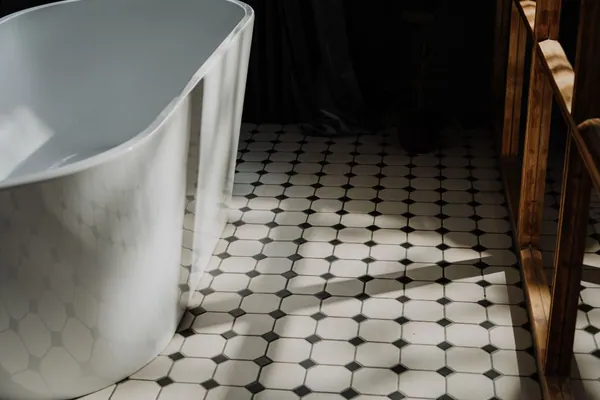
Drains and grout lines in bathroom tiles experience high moisture from building activity around the villa. Gentle cleaning then disinfection prevents mould on new tile.
After disinfection we open windows for ventilation but time it with light wind to prevent new construction dust entering. We walk you through to confirm approval of results.
A move-in, an illness and an after-party aren't the same job.
Grime and grease shield what's under them.
A disinfectant has to stay wet on the surface to work.
Handles, switches, taps and rails are done by hand because they carry the most and need direct contact that fogging alone doesn't give.
Once the hard surfaces are done, a fine fog reaches the air, the fabrics and the corners a cloth can't, settling over what hand-wiping misses.
We open up and air the rooms, then walk the home with you before leaving.
The common mistake is spraying disinfectant over dirt.
The company runs a large crew, and we send a team rather than one person.
The foggers and the products come with the team.
If what you need is deep cleaning or mould work rather than disinfection, we tell you.
Photographs from real jobs carried out by the crew.












The commitment is simple enough to actually keep: we don't leave until you've seen the result and had your say on it.
New development: ongoing construction and vacant plots between the homes
A newly developing district with ongoing construction means main pollutants are not age and wear, but construction itself. Concrete dust and excavation moisture are the two problems. Disinfection here must be gentle to protect new surfaces, yet thorough enough to remove construction debris.
We provide these in Al Aqeeq too, and more than one can share a single visit.



