
Clean first, then disinfect
The common mistake is spraying disinfectant over dirt.
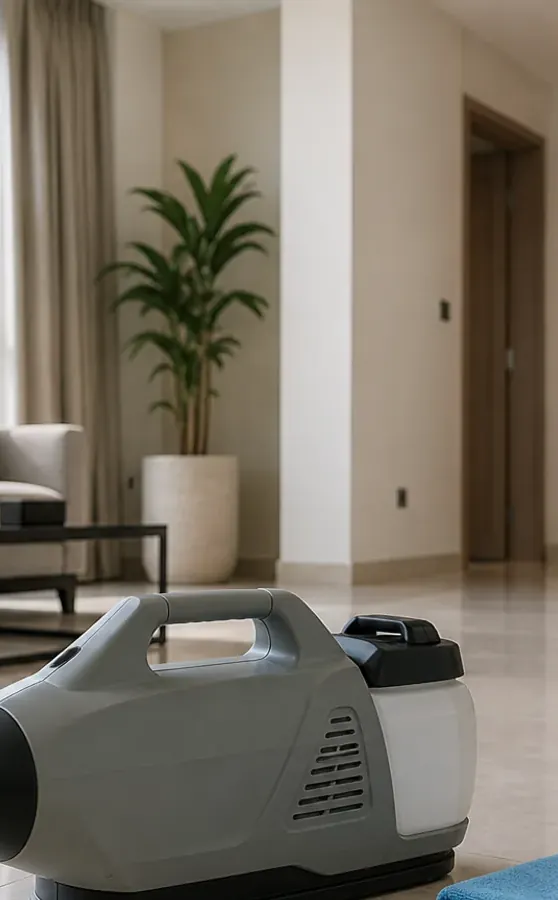
Al Tilal is a mixed district where shops and homes sit on ground that rises and falls, so roads and drainage follow the natural slope. Disinfection here must account for this slope, because pollution collects in low points and leaves traces in drains and grout lines that other districts avoid.
Drainage here follows the ground's natural fall, so lower surfaces collect dirt and moisture faster than higher areas, and this affects where sanitisation must focus. For the method itself, see our guide to disinfection and sanitisation.
Streets and floors follow the land's slope, so dust and grease gather in depressions and corners rather than spreading evenly. Disinfection here targets these low zones more than homes on level ground, because contaminants do not distribute uniformly.
Rainwater and surface runoff travel downslope to drains and grout lines, carrying soil particles and mould spores with them. These drains here are far more active than in level districts, requiring separate treatment before full disinfection.
Water seeps toward foundations more aggressively from low points than high ones. Humidity concentrates in the low corners of rooms, where mould begins first, so these areas need targeted cleaning and disinfection before the rest.
An east Jeddah district named for its hilly terrain, with undulating streets and varied elevations. It sits close to Wadi Al Qaws and Mareekh Mountains, and the Haramain High Speed Railway runs nearby.
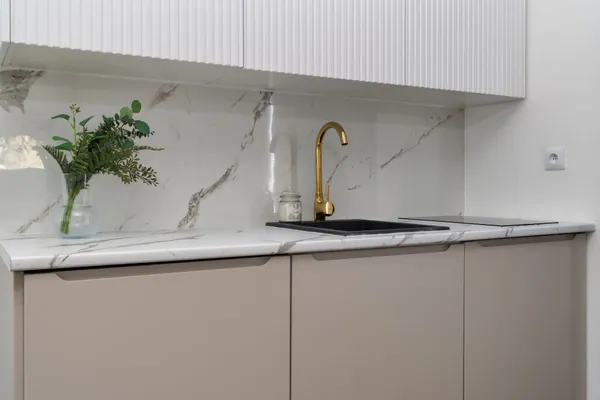
Floors need thorough cleaning before disinfecting because moisture and heavy soil particles collect in low corners more than in level districts.
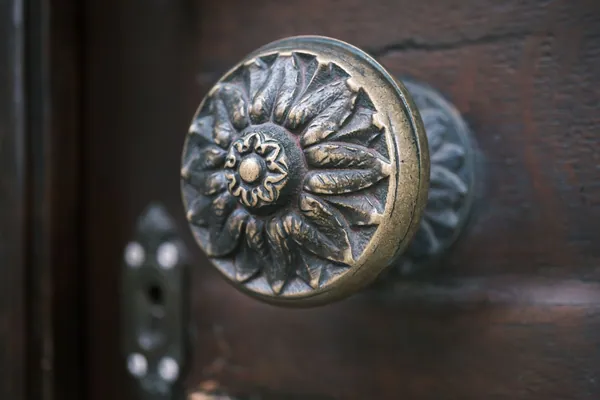
Door handles, tap heads, surfaces touched often need special attention in low corners where humidity concentrates and mould forms first.
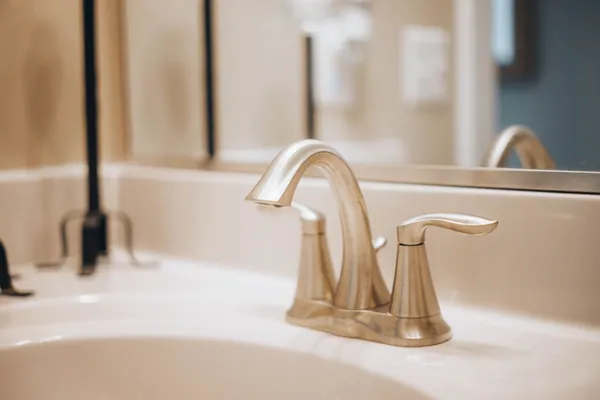
Drains under sinks and around toilets need separate aggressive cleaning because natural water flow concentrates debris and mould in them.
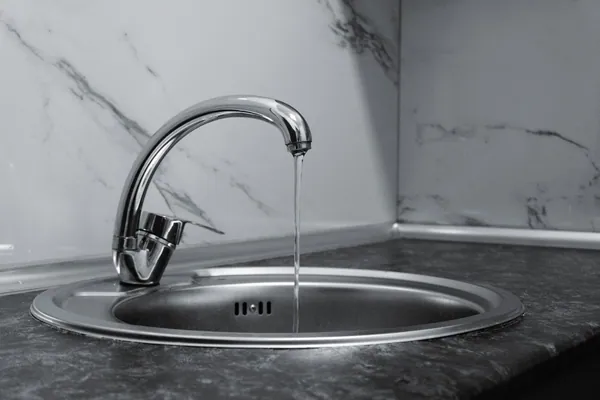
Kitchen taps, basin rims and surfaces around water need cleaning from sediment and mould before disinfection begins.
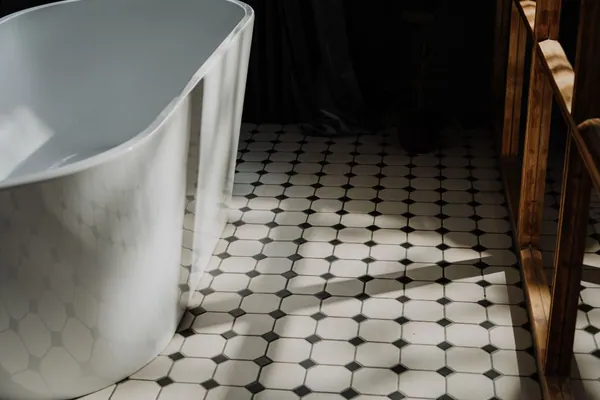
All drains and grout lines need special treatment because natural slope and runoff concentrate contaminants there more than in other locations.
Ventilate the entire district for longer than usual afterwards, because moisture lingers in sloped terrain longer than on level ground.
A move-in, an illness and an after-party aren't the same job.
Grime and grease shield what's under them.
A disinfectant has to stay wet on the surface to work.
Handles, switches, taps and rails are done by hand because they carry the most and need direct contact that fogging alone doesn't give.
Once the hard surfaces are done, a fine fog reaches the air, the fabrics and the corners a cloth can't, settling over what hand-wiping misses.
We open up and air the rooms, then walk the home with you before leaving.
Mixed district: shops at street level with homes above them
In a mixed district on sloped terrain, disinfection must read where water and pollutants gather: the low corners, drains and grout lines where natural flow concentrates the dirt.
The common mistake is spraying disinfectant over dirt.
The company runs a large crew, and we send a team rather than one person.
The foggers and the products come with the team.
If what you need is deep cleaning or mould work rather than disinfection, we tell you.
Photographs from real jobs carried out by the crew.












The commitment is simple enough to actually keep: we don't leave until you've seen the result and had your say on it.
Work here is organised in relation to Haramain High Speed Railway stations and the slope of Wadi Al Qaws: higher districts sit south of the wadi and lower ones east of Mareekh Mountains, with access routes following the natural terrain fall.
We provide these in Al Tilal too, and more than one can share a single visit.



