
Clean first, then disinfect
The common mistake is spraying disinfectant over dirt.
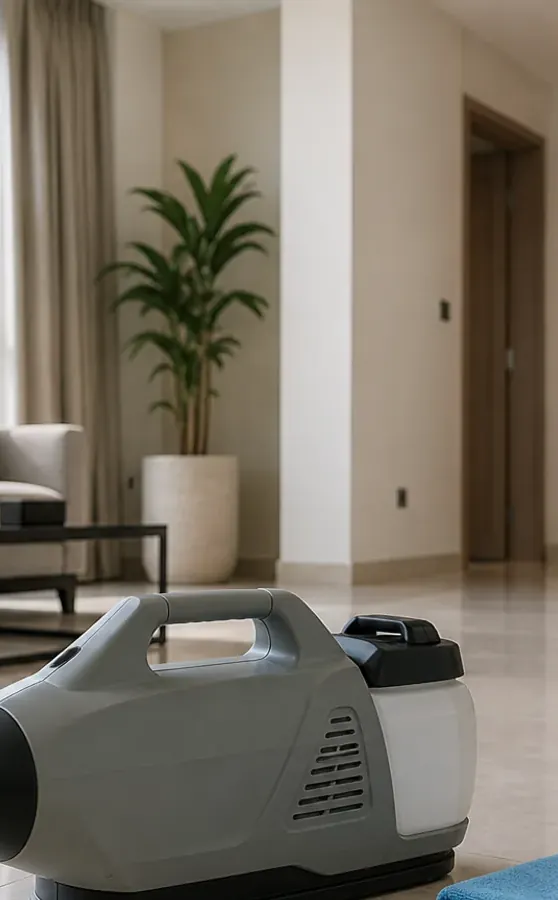
Al Muntazahat stretches along the Old Makkah Road in south eastern Jeddah, mixing villas, apartment blocks and commercial frontages along the main road. The neighbourhood sits where the dry air and coarse dust of east Jeddah meets the continuous soot and grime of a main traffic route carrying heavy commercial vehicles. Homes here face relentless layered contamination: dry interior dust combined with oily soot from the road. Villas with gardens add irrigation moisture that may slightly raise local humidity around the house.
Constant traffic from the road and delivery vehicles and shop workers means dust accumulation faster than in neighbourhoods distant from major roads, so both villas and flats need cleaning at shorter intervals than do quieter areas. For the method itself, see what disinfection and sanitisation involves.
The Old Makkah Road carries heavy truck traffic releasing diesel soot and dark dust directly onto neighbouring villas and apartment blocks. The dry air of east Jeddah means this soot does not remain airborne but settles firmly on every surface, creating a stubborn layer that requires aggressive pre-cleaning before disinfectant can work.
A mixed neighbourhood means shared pathways where apartment blocks stand beside villas. Ground floor shops release additional vapours. Disinfecting a villa alone does not solve the problem if an apartment block shares a wall or common area, because recontamination travels easily across shared structures.
Villas with gardens require watering, and this localised moisture may slightly raise humidity around the house, slowing disinfectant drying and accelerating algae and mould growth on exterior surfaces exposed to spray.
The Old Makkah Road is a major through-route carrying heavy truck traffic, releasing a continuous stream of dust and diesel soot onto nearby villas and apartment blocks, while the dry interior air means this soot does not settle away but accumulates visibly.
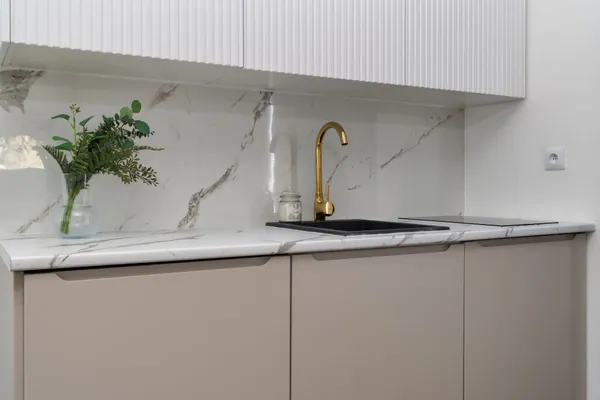
Cleaning before disinfecting must focus on removing heavy soot and grease from the road, as surface rinsing alone is insufficient to remove the oily layer that blocks disinfectant contact.
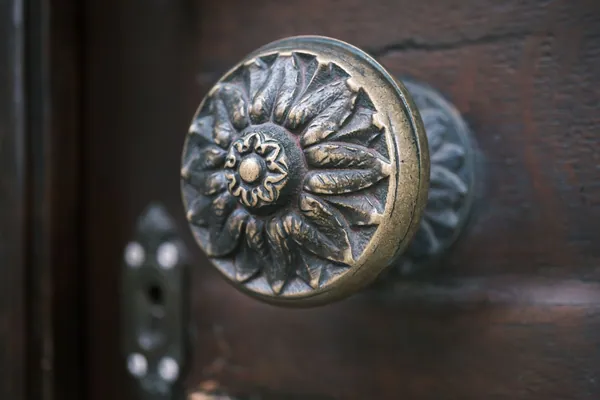
High-touch surfaces like door handles and railings accumulate a brown oily layer of soot, requiring vigorous degreasing before the disinfectant can make effective contact with the underlying surface.
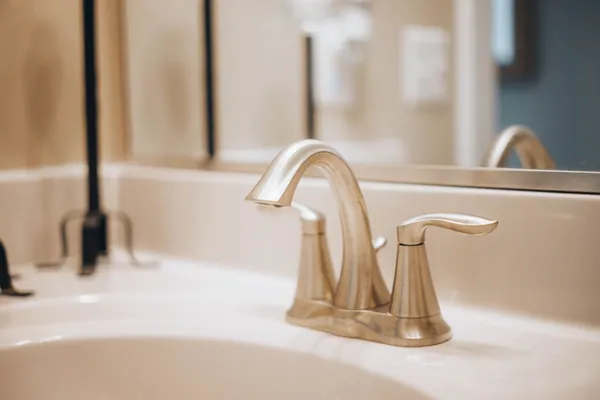
Bathrooms may show additional humidity from adjacent garden irrigation, and mould can grow on inner walls due to this added moisture raising local bathroom humidity.
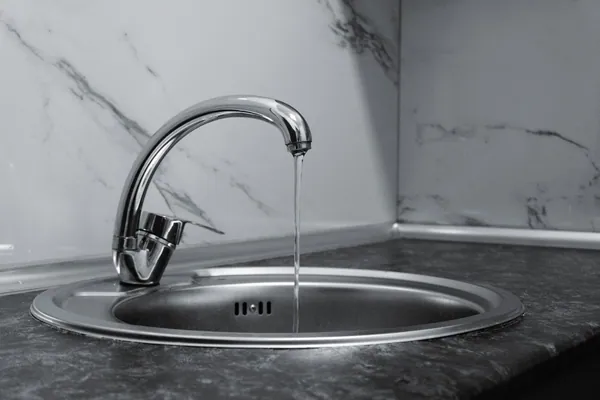
Kitchen and food preparation surfaces are affected by road soot if the kitchen window faces the road, requiring aggressive pre-cleaning before disinfectant application.
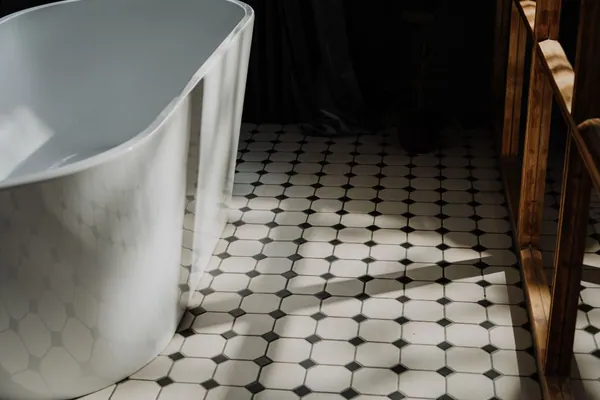
Drains and grout lines accumulate soot as an oily layer combined with dust, and need specialist treatment to remove the grease layer before general disinfectant is applied.
Contact time may need slight extension because garden irrigation adds local humidity that slows drying, and ventilation is essential to remove fumes and residual moisture.
A move-in, an illness and an after-party aren't the same job.
Grime and grease shield what's under them.
A disinfectant has to stay wet on the surface to work.
Handles, switches, taps and rails are done by hand because they carry the most and need direct contact that fogging alone doesn't give.
Once the hard surfaces are done, a fine fog reaches the air, the fabrics and the corners a cloth can't, settling over what hand-wiping misses.
We open up and air the rooms, then walk the home with you before leaving.
The common mistake is spraying disinfectant over dirt.
The company runs a large crew, and we send a team rather than one person.
The foggers and the products come with the team.
If what you need is deep cleaning or mould work rather than disinfection, we tell you.
Photographs from real jobs carried out by the crew.












The commitment is simple enough to actually keep: we don't leave until you've seen the result and had your say on it.
East Jeddah lies furthest from the sea and closest to the open ground and hills beyond the ring roads, so the air is drier and the dust is coarser and paler than on the coast. It comes in under doors and settles on every flat surface overnight, making sofas, mattresses and curtains the heaviest part of the routine. Floors are mostly ceramic tile in the apartment districts and marble in the villa areas, both scratched by grit that is mopped rather than swept. Roof tank water leaves a grey film of sediment in baths and basins.
We provide these in Al Muntazahat too, and more than one can share a single visit.



