
Clean first, then disinfect
The common mistake is spraying disinfectant over dirt.
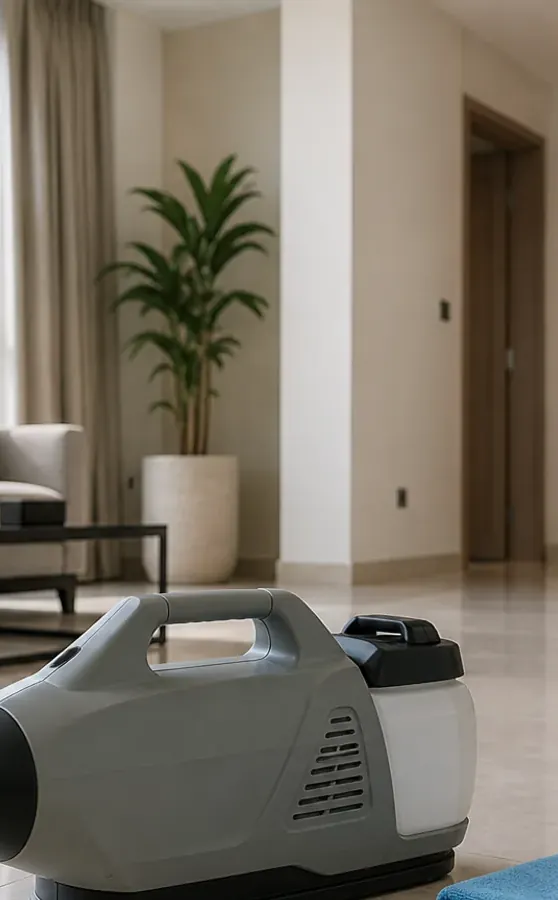
Al Rimal is a new subdivision at the far south of Jeddah, with homes squeezed between heavy goods routes and the port itself, and the dust here is darker and greasier than anywhere else in the city. Disinfection works only if the surface is clean first, and in Al Rimal the oily soot forms a barrier that demands proper treatment before any spray can reach what lies underneath.
Ceramic and cement floors in Al Rimal darken visibly where soot is walked in, and net curtains become soiled in weeks rather than months, showing how much thicker the contamination layer is than in northern areas. For the method itself, see what disinfection and sanitisation involves.
The mixture of soot and moisture creates a sticky paste that clings to every surface, even smooth ones. Disinfectant alone cannot penetrate it, but thorough cleaning beforehand breaks down this layer, allowing the disinfectant to reach the surface underneath and actually work.
Salt air and dampness enter through windows and settle into textiles and crevices. Disinfectant kills the organisms but does not dry out the moisture, so full ventilation after disinfection is essential to prevent rapid regrowth and stale smells returning within days.
Floors in existing homes are often basic cement or older porous tiles, and soot embeds itself in the pores. Deep cleaning first opens these pores so disinfectant can penetrate and kill what lives inside them, not just coat the surface.
Al Rimal sits directly between the heavy truck roads and the sea, so the dust carries diesel soot and workshop particles mixed with constant coastal humidity, creating a sticky film on surfaces faster than in interior districts.
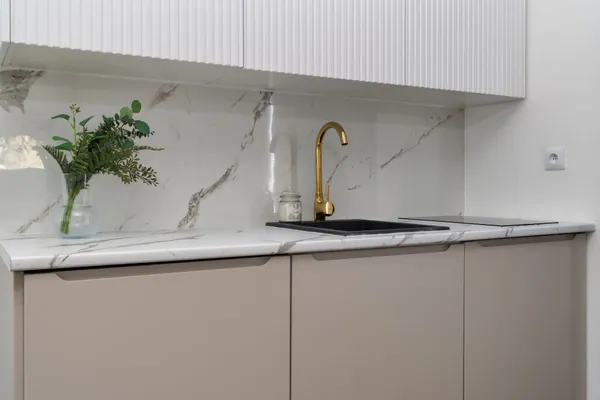
Deep cleaning is essential in Al Rimal because the oily soot forms a thick barrier on every surface, and disinfectant cannot penetrate it without first removing this layer completely.
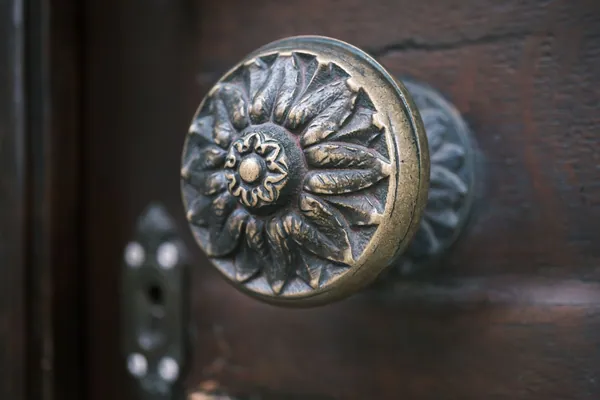
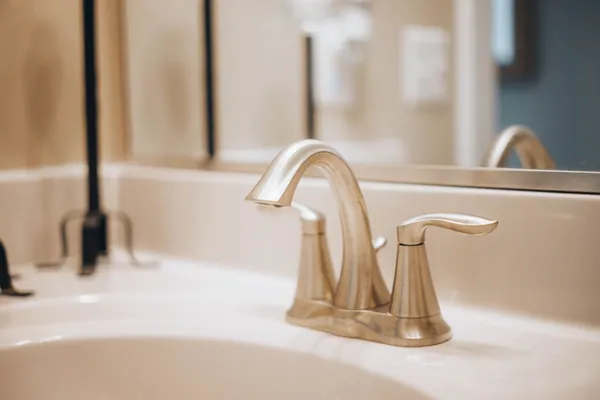
High-touch surfaces in Al Rimal gather soot very rapidly, especially door handles, window frames and taps, and require careful cleaning before disinfection to ensure the treatment actually reaches the surface.
Bathroom exhaust fans and vents fill with moisture and mould due to the coast proximity, so they receive special treatment to kill fungal growth rather than simply hiding the smell it causes.
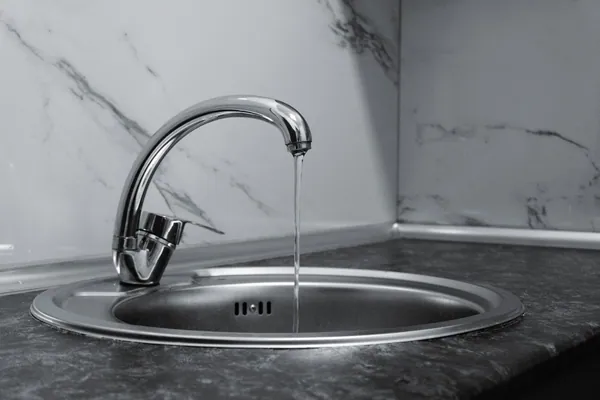
Kitchen work surfaces collect cooking grease mixed with exterior soot to form a sticky deposit, which must be removed before disinfection so the treatment reaches the actual surface beneath.
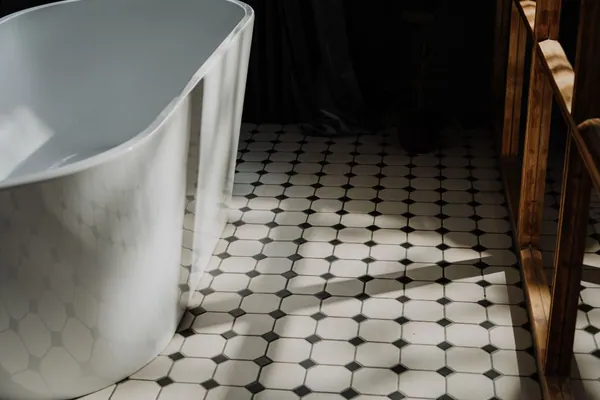
Drains and grout lines hold persistent moisture and mould that causes staleness in the air, requiring specific treatment to kill fungal colonies rather than mask the odour they produce.
Ventilation after disinfection is critical in Al Rimal to expel excess moisture and allow the disinfectant to work fully, and we walk the home with you afterwards to confirm the treatment is complete.
A move-in, an illness and an after-party aren't the same job.
Grime and grease shield what's under them.
A disinfectant has to stay wet on the surface to work.
Handles, switches, taps and rails are done by hand because they carry the most and need direct contact that fogging alone doesn't give.
Once the hard surfaces are done, a fine fog reaches the air, the fabrics and the corners a cloth can't, settling over what hand-wiping misses.
We open up and air the rooms, then walk the home with you before leaving.
New development: ongoing construction and vacant plots between the homes
Al Rimal is a new developing area with ongoing construction and vacant plots between homes, which adds extra dust from neighbouring building sites mixing with the coastal soot.
The common mistake is spraying disinfectant over dirt.
The company runs a large crew, and we send a team rather than one person.
The foggers and the products come with the team.
If what you need is deep cleaning or mould work rather than disinfection, we tell you.
Photographs from real jobs carried out by the crew.












The commitment is simple enough to actually keep: we don't leave until you've seen the result and had your say on it.
South Jeddah runs from the port and the industrial city down towards Al Khumrah, and homes here sit between the sea and the heavy goods roads. The dust is darker and oilier than in the north, a mix of diesel soot and workshop grit, and it clings to net curtains, window sills and the tops of kitchen cupboards. Floors in the older low rise housing are often plain cement or ceramic tile that darkens where soot is walked in. Humidity from the coast adds mildew in bathrooms and a musty smell in stored fabrics.
We provide these in Al Rimal too, and more than one can share a single visit.



