
Clean first, then disinfect
The common mistake is spraying disinfectant over dirt.
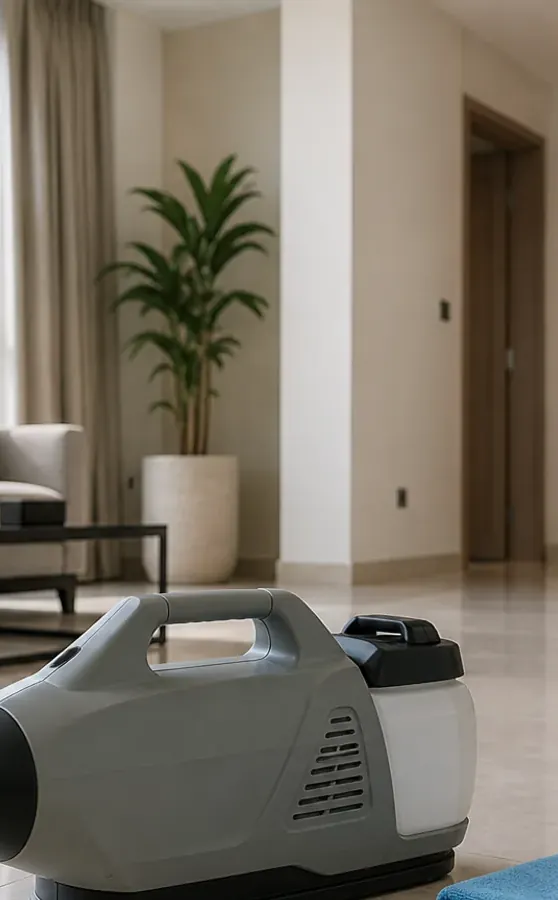
Al Sanabel is a recently developed district in south Jeddah on Al Laith Road, with new villas and apartments among vacant plots and ongoing construction. Its location between Al Laith Road and the Industrial City means the dust here is darker and more oily than the north: a mix of diesel soot and workshop grit that clings to curtains, windows and furniture much faster than ordinary road dust.
New buildings here need regular disinfection not because surfaces are worn, but because industrial pollutants accumulate faster on them. Vacant land and construction sites around the district mean airborne dust loads are heavier than in mature settled areas. For the method itself, see how we approach disinfection and sanitisation.
Diesel soot and workshop particles from the Industrial City to the west drift into the area easily. This dust is darker and stickier than ordinary road dust, clinging to curtains, fabrics and furniture, leaving brown stains that persist through normal cleaning.
Marble and porcelain are pristine, but oily industrial contaminants bond to them fast. Deeper mechanical cleaning is needed before disinfectant, and the vacant land and active building sites nearby ensure dust loads stay higher than in established districts.
Coastal moisture adds mould to bathrooms and damp corners faster, especially when combined with heavy dust providing rich substrate for fungi. Disinfection here needs sustained contact time or repeat treatment to combat rapid recolonisation.
The district is new and its tile, marble and porcelain surfaces are pristine, but its position between heavy goods routes and the Industrial City to the west subjects it to heavier contamination than northern areas.
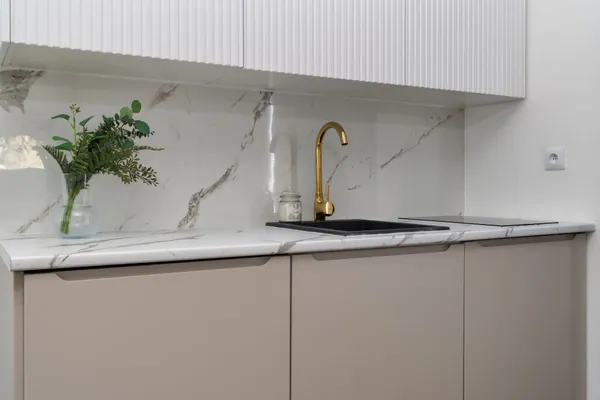
Before disinfecting we remove heavy dust and soot with deep mechanical cleaning, especially from window sills, curtains and high surfaces that accumulate industrial pollutants more than other areas.
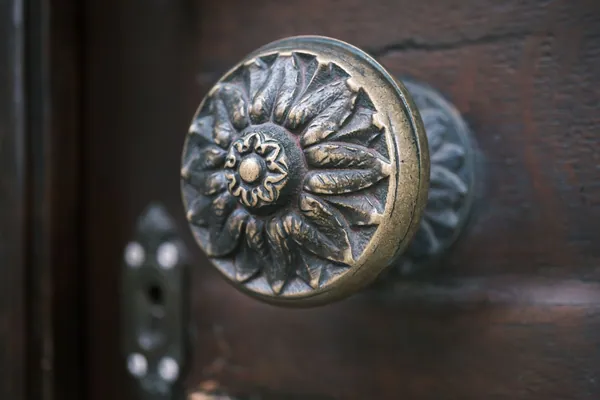
Handles, switches and railings carry oily industrial dust that is sticky and hard to remove. We wipe and pre clean these before disinfectant so the product can work properly.
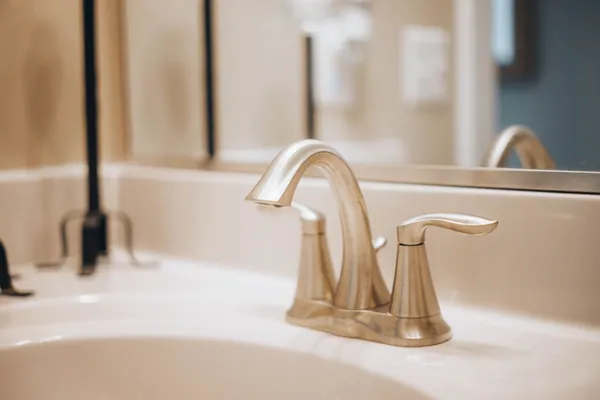
Bathroom taps and handles, with high coastal humidity here, accumulate fungi and mould faster than elsewhere. Deep disinfection is essential to kill the living microbes, not just remove visible marks.
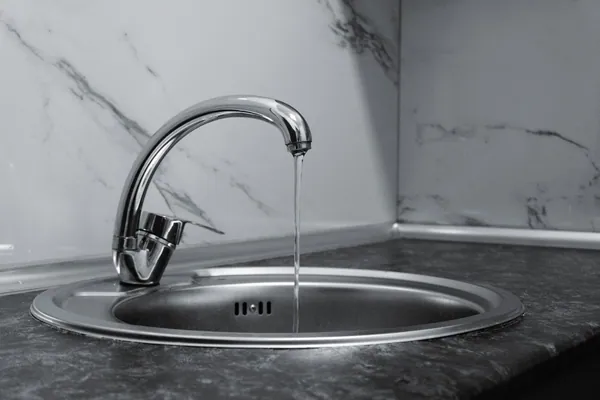
Kitchen work surfaces, fridge handles and high cupboards carry diesel soot deeply embedded. Mechanical cleaning comes first to remove the oily layer completely, then disinfectant reaches the clean surface.
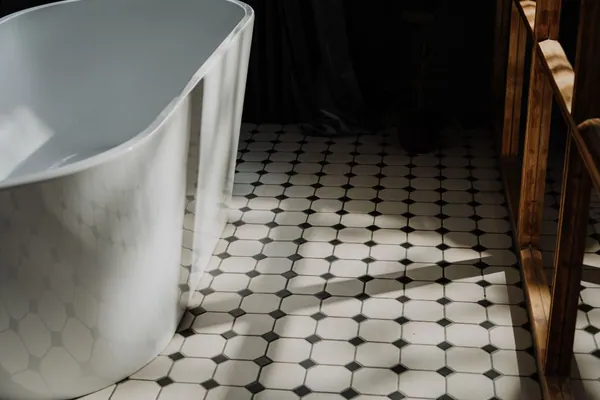
Drains and grout in bathroom tiles sit under continuous moisture and salt deposit from coastal air, requiring regular mechanical scrubbing and deep disinfection or repeat treatment cycles.
After disinfection we open windows for full two hour ventilation minimum, then walk every room and surface with you to confirm approval and complete air clearing before we leave.
A move-in, an illness and an after-party aren't the same job.
Grime and grease shield what's under them.
A disinfectant has to stay wet on the surface to work.
Handles, switches, taps and rails are done by hand because they carry the most and need direct contact that fogging alone doesn't give.
Once the hard surfaces are done, a fine fog reaches the air, the fabrics and the corners a cloth can't, settling over what hand-wiping misses.
We open up and air the rooms, then walk the home with you before leaving.
In Al Sanabel, location identification is straightforward from key local landmarks: Al Sanabil Park helps us pinpoint the district geographically, and Al Sanabil Primary Care Centre is a known reference point that guides the team and clients to the exact location.
The common mistake is spraying disinfectant over dirt.
The company runs a large crew, and we send a team rather than one person.
The foggers and the products come with the team.
If what you need is deep cleaning or mould work rather than disinfection, we tell you.
Photographs from real jobs carried out by the crew.












The commitment is simple enough to actually keep: we don't leave until you've seen the result and had your say on it.
South Jeddah runs from the port and the industrial city down towards Al Khumrah, and homes here sit between the sea and the heavy goods roads. The dust is darker and oilier than in the north, a mix of diesel soot and workshop grit, and it clings to net curtains, window sills and the tops of kitchen cupboards. Floors in the older low rise housing are often plain cement or ceramic tile that darkens where soot is walked in. Humidity from the coast adds mildew in bathrooms and a musty smell in stored fabrics.
We provide these in Al Sanabel too, and more than one can share a single visit.



