
Clean first, then disinfect
The common mistake is spraying disinfectant over dirt.
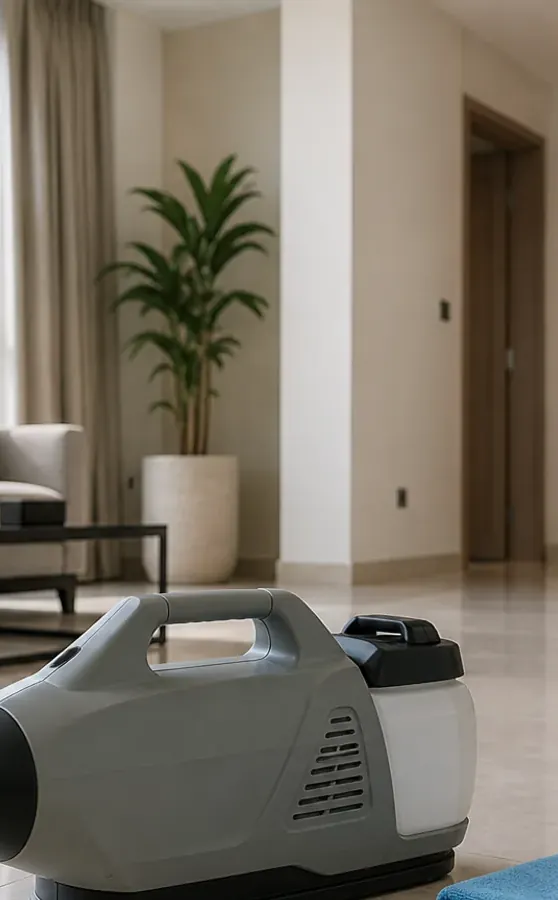
Al Hindawiyah is a very old popular quarter beside Jeddah Islamic Port, with very high population density and over two hundred shops beneath ageing apartment buildings. The district dates from the nineteenth century, and surfaces carry heavy marine salt deposits on all metal, high humidity and sea pollution make mould spread fast. Disinfection here starts with very deep cleaning to remove salt, rust and mould first, because ancient surfaces trap all of this deep in their pores.
Apartments in very old Al Hindawiyah carry layers of sea salt and rust on every metal surface, and black mould fills grout lines and corners. Salt and humidity together make disinfection here completely different from anywhere else in Jeddah. For the method itself, see how we approach disinfection and sanitisation.
Proximity to the port means the air is salt saturated. Every metal surface: taps, handles, windows, carries a salt film. This salt turns to rust over time, and rust itself is a living bacterial incubator. Removal is essential before disinfection.
Salt plus marine humidity create ideal mould conditions. Grout lines, damp corners, around taps: any damp spot bears thick black mould. This is not surface mould, but deeply rooted.
Floors in Al Hindawiyah are hundred year old terrazzo or very aged ceramic, worn slick from a century of use. Salt and mould hide in pores and fine cracks. Surface cleaning is not enough: deep scrubbing with a stiff brush is needed.
Al Hindawiyah sits very close to Jeddah Islamic Port, and marine salt and humidity accumulate heavily on every surface. High population density and shops beneath flats mean the air carries many pollutants.
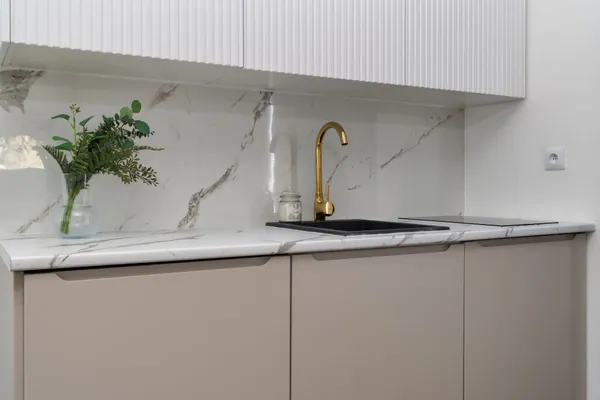
Before disinfecting we remove salt, rust and mould with very deep mechanical cleaning that needs vigorous brushing, especially on metal surfaces, grout lines and damp corners.
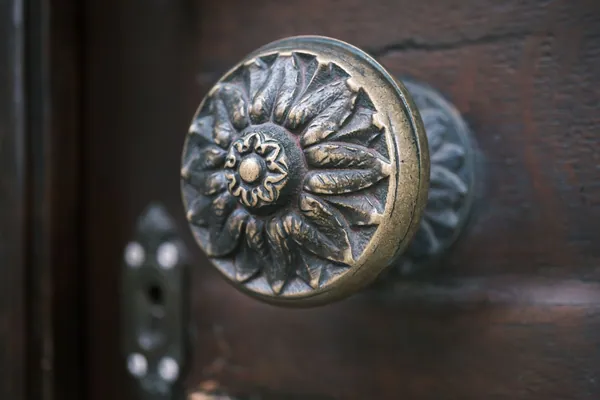
Light switches, railings and handles carry layers of salt and rust from direct marine air. Deep scrubbing, then disinfection, is necessary.
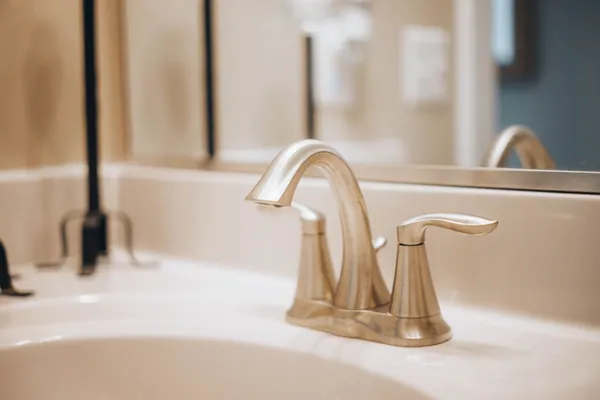
Bathroom taps and handles are covered in salt, rust and black mould. Complete mechanical removal of these layers first, then disinfection sanitises the clean surface.
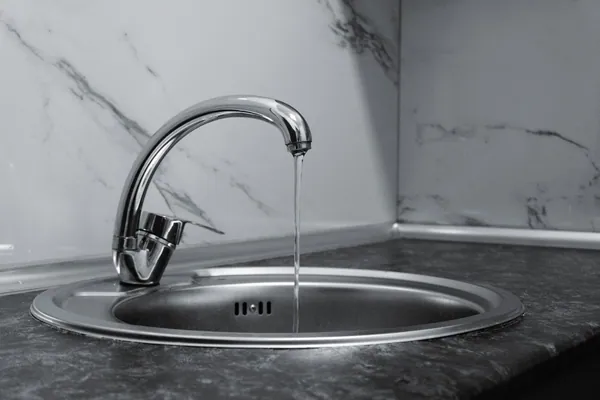
Kitchen work surfaces, fridge handles and cupboard tops carry sea salt and black mould from moisture. Deep cleaning with a brush first to remove everything, then disinfection.
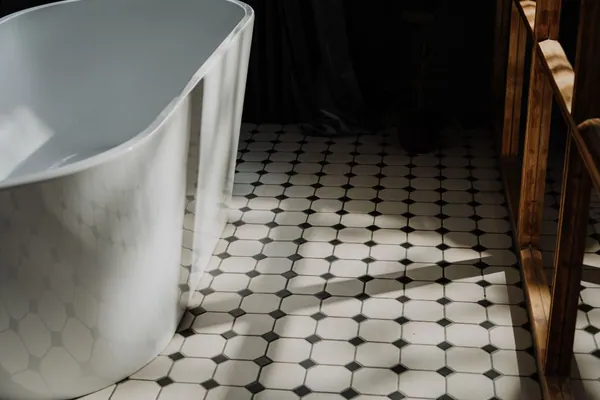
Drains and grout lines in bathroom tiles are packed with rooted salt and black mould. Very deep mechanical scrubbing with a stiff brush, then intensive disinfection, is essential.
After disinfection we open all windows and doors for very extended ventilation (three hours or more), then walk you through the apartment to confirm complete removal of salt and smell.
A move-in, an illness and an after-party aren't the same job.
Grime and grease shield what's under them.
A disinfectant has to stay wet on the surface to work.
Handles, switches, taps and rails are done by hand because they carry the most and need direct contact that fogging alone doesn't give.
Once the hard surfaces are done, a fine fog reaches the air, the fabrics and the corners a cloth can't, settling over what hand-wiping misses.
We open up and air the rooms, then walk the home with you before leaving.
The common mistake is spraying disinfectant over dirt.
The company runs a large crew, and we send a team rather than one person.
The foggers and the products come with the team.
If what you need is deep cleaning or mould work rather than disinfection, we tell you.
Photographs from real jobs carried out by the crew.












The commitment is simple enough to actually keep: we don't leave until you've seen the result and had your say on it.
In Al Hindawiyah, location is very clear because the quarter is defined by famous marine landmarks: Jeddah Islamic Port pinpoints the district geographically, and Port Street helps the team and residents navigate precisely, making access and work straightforward.
We provide these in Al Hindawiyah too, and more than one can share a single visit.



