
Clean first, then disinfect
The common mistake is spraying disinfectant over dirt.
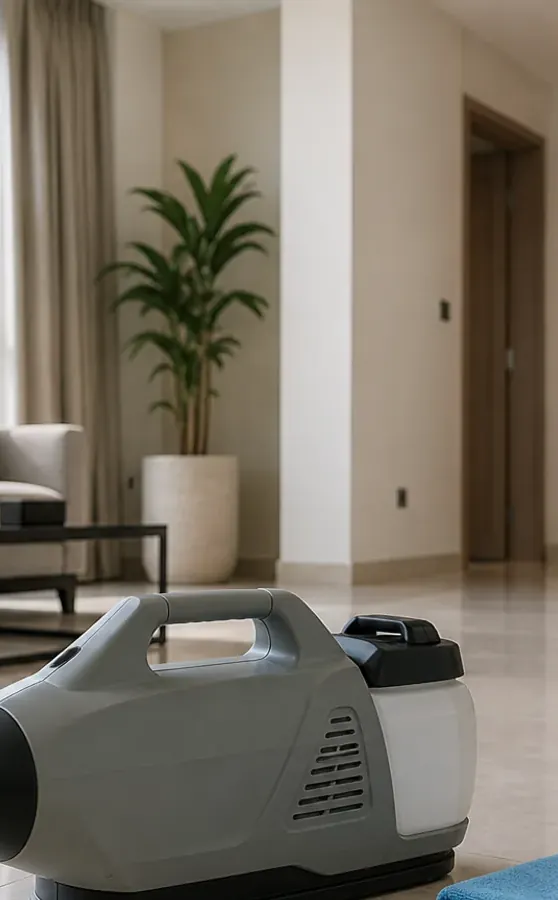
Al Naseem is a mixed district between busy commercial roads and residential quarters, and its surfaces are often old terrazzo or worn ceramic tile that has absorbed limestone scale for decades. Grease from the street and fine black dust from heavy traffic settle on curtains and carpets, which means disinfection here requires understanding how to handle aged surfaces that have seen steady contamination since they were laid.
Older ceramic tiles in this district darken over time from foot traffic driving soot into the surface, and ordinary mopping cannot lift it because the particles are trapped in the tile glaze. For the method itself, see our guide to disinfection and sanitisation.
Terrazzo and ceramic here have been walked on for decades, so the surface is no longer new and sealed but polished by constant friction, which means disinfectant does not flow smoothly and does not reach every pore. Harsh scrubbing risks damage, so we need a balanced approach that removes soil without scratching the material underneath.
Kitchens and bathrooms in this district carry white scale buildup on taps and basins, which means the disinfectant needs long contact time before it can kill bacteria hidden beneath the deposits. We may need to soften the scale first before the final disinfection can work, or the product simply sits on top.
Fine black dust from vehicles, lorries and restaurant exhaust embeds in fabric where a vacuum cannot reach. Disinfection alone will not be enough; fabrics need hot water washing before disinfection so the product reaches the fibres fully and the bacteria trapped inside.
The district sits between Haramain Road, Prince Majid Road and King Abdullah Road, all main thoroughfares with constant traffic, and the air carries engine dust, food vapours and workshop particles throughout the day.
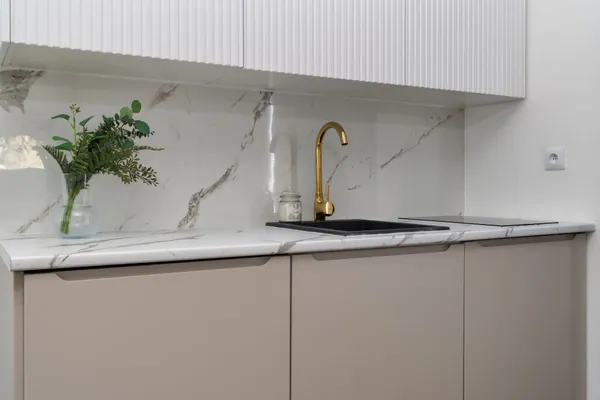
Hard scrubbing may damage old terrazzo, so we use soft contact and warm water to remove surface soil before disinfection, never aggressive force.
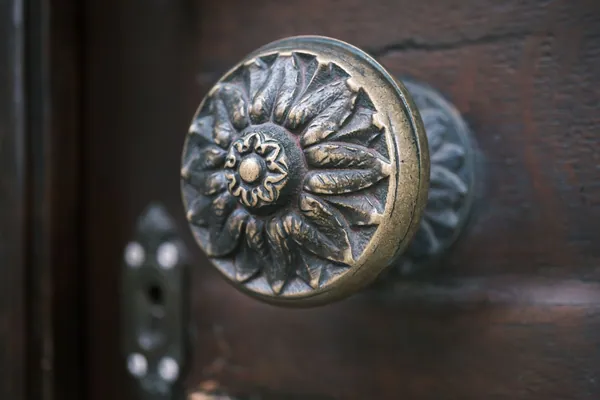
Taps and tap surrounds are covered in heavy white scale that needs special treatment before disinfection reaches the bacteria underneath them.
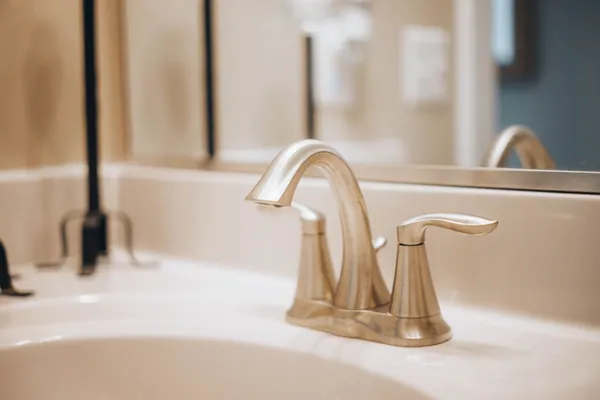
Tap outlets and under-sink drains hide heavy limescale buildup that may need gentle loosening before any product is applied.
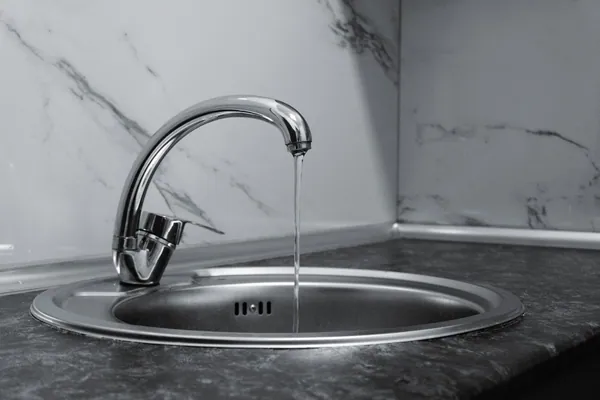
Kitchen surfaces in older homes carry layers of dried cooking grease from the street, and hard cleaning may scratch the finish rather than clean it.
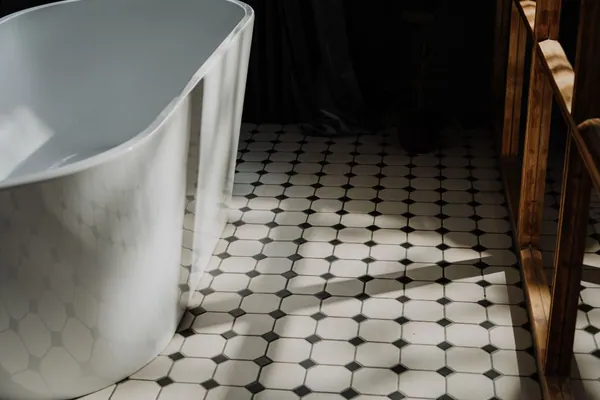
Drains beneath sinks hold mineral deposits from old water, and need a softening treatment before disinfection can work inside them.
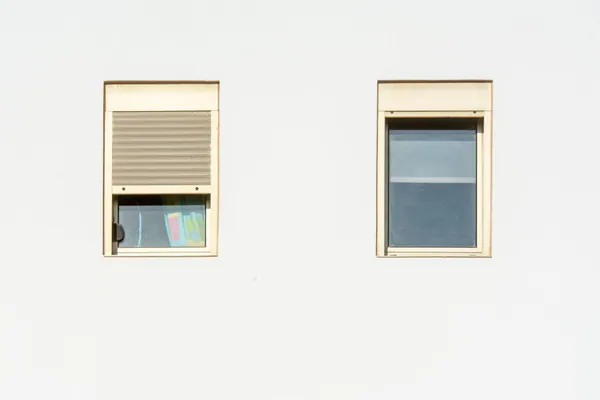
Ventilation in old homes may be poor because windows do not open fully, so the disinfectant may take longer to dry and clear.
A move-in, an illness and an after-party aren't the same job.
Grime and grease shield what's under them.
A disinfectant has to stay wet on the surface to work.
Handles, switches, taps and rails are done by hand because they carry the most and need direct contact that fogging alone doesn't give.
Once the hard surfaces are done, a fine fog reaches the air, the fabrics and the corners a cloth can't, settling over what hand-wiping misses.
We open up and air the rooms, then walk the home with you before leaving.
Mixed district: shops at street level with homes above them
Mixed here means the commercial street brings constant new contamination into the home, and old surfaces are under pressure from polluted air every single day. Disinfection is not a cure but contamination management, because new dirt arrives from outside every morning.
The common mistake is spraying disinfectant over dirt.
The company runs a large crew, and we send a team rather than one person.
The foggers and the products come with the team.
If what you need is deep cleaning or mould work rather than disinfection, we tell you.
Photographs from real jobs carried out by the crew.












The commitment is simple enough to actually keep: we don't leave until you've seen the result and had your say on it.
Central Jeddah is the old heart of the city: Al Balad with its coral stone houses, and the dense apartment quarters around it with shops beneath the flats. Floors here are often terrazzo or older ceramic tile, worn smooth and easily stained by cooking grease that drifts up from the street. Older kitchens and bathrooms carry heavy scale on taps and around drains, and pipework in the older blocks leaves rust marks in basins. Rugs and curtains take on the fine black dust of the main roads, so they need washing more often than elsewhere.
We provide these in Al Naseem too, and more than one can share a single visit.



