
Clean first, then disinfect
The common mistake is spraying disinfectant over dirt.
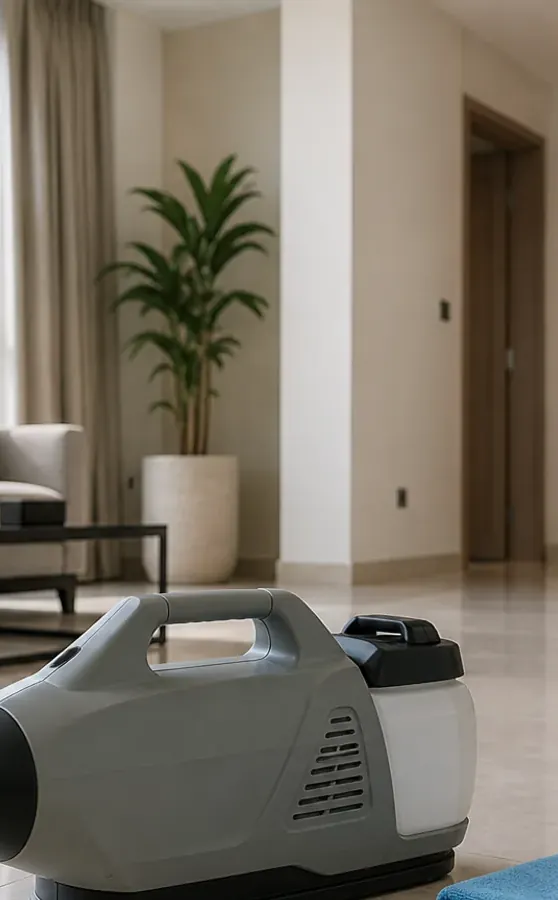
Um Al Salam is a mixed district in south eastern Jeddah on the Old Makkah Road, with popular housing and areas cleared under the informal settlement reorganisation programme. Homes here face relentless dry, coarse dust from open ground and hills beyond the ring roads, and contamination accumulates rapidly. Hidden moisture from old drainage pipes compounds the problem, so disinfection must manage both the dry air and the heavy, dust-driven contamination simultaneously.
Sofas, mattresses and curtains become the heaviest part of the weekly routine because coarse dust accumulates faster and clings more stubbornly here than in coastal neighbourhoods or newer developments, making standard surface treatment insufficient. For the method itself, see our guide to disinfection and sanitisation.
East Jeddah sits furthest from the sea and closest to open ground and hills beyond the ring roads, so the air is drier and the dust is coarser and paler than on the coast. This dust settles with force on every surface and requires vigorous cleaning before disinfectant application, or the disinfectant sits on top of the dust layer rather than reaching the contaminated surface beneath.
Coarse dust adheres stubbornly to fabrics, making sofas, mattresses and curtains the heaviest part of disinfection work. Cleaning them thoroughly first takes time but is essential, because dust on textiles blocks disinfectant from contacting the fabric itself, leaving the contamination intact.
Despite the dry exterior air, old drainage lines and aging pipes transmit moisture into walls and floors. This hidden dampness reduces disinfectant effectiveness and permits bacteria to multiply rapidly in the damp plaster behind the wall, undoing surface treatment.
The air is dry and the dust is coarser and paler than on the coast, penetrating under doors and settling on every flat surface overnight, so sofas, mattresses and curtains become heavy with accumulated grit and require deep cleaning before any treatment.
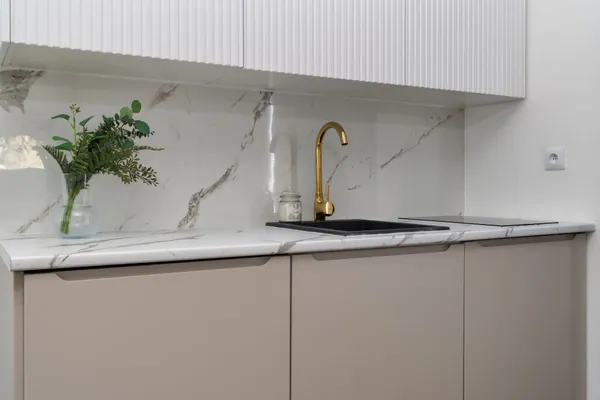
Cleaning before disinfecting must focus on removing the coarse dust that creeps under doors, as this dust creates a barrier preventing disinfectant from reaching the actual surface underneath.
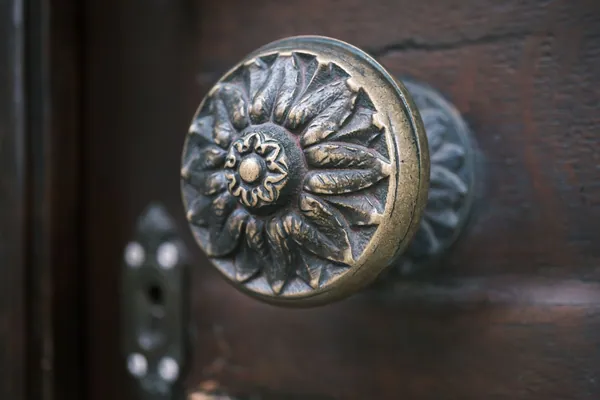
High-touch surfaces like door handles accumulate thick brown layers of dust and oils combined, because coarse dust clings to any light skin oil and builds up visibly between cleaning cycles.
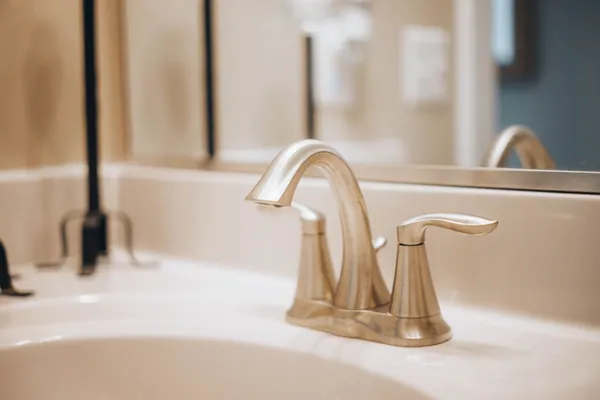
Bathrooms show continuous dampness from old pipes even in the dry air, and mould can appear rapidly behind mirrors and heaters, requiring targeted treatment before general disinfection.
Kitchen and food preparation surfaces collect coarse dust rapidly and require vigorous cleaning before disinfectant, especially if the kitchen faces a commercial street or opens to an exterior window.
Drains and grout lines trap moisture from pipes despite the dry exterior air, and may need mould removal treatment before any general disinfection can be effective.
Contact time may be standard, but ventilation requires active management because the dry air may speed drying and trap fumes if windows are not opened forcefully after disinfectant is applied.
A move-in, an illness and an after-party aren't the same job.
Grime and grease shield what's under them.
A disinfectant has to stay wet on the surface to work.
Handles, switches, taps and rails are done by hand because they carry the most and need direct contact that fogging alone doesn't give.
Once the hard surfaces are done, a fine fog reaches the air, the fabrics and the corners a cloth can't, settling over what hand-wiping misses.
We open up and air the rooms, then walk the home with you before leaving.
Mixed district: shops at street level with homes above them
In a mixed district like Um Al Salam, the home faces relentless dry, coarse dust penetrating everything, and dust-heavy furniture becomes the primary obstacle to effective disinfection.
The common mistake is spraying disinfectant over dirt.
The company runs a large crew, and we send a team rather than one person.
The foggers and the products come with the team.
If what you need is deep cleaning or mould work rather than disinfection, we tell you.
Photographs from real jobs carried out by the crew.












The commitment is simple enough to actually keep: we don't leave until you've seen the result and had your say on it.
East Jeddah lies furthest from the sea and closest to the open ground and hills beyond the ring roads, so the air is drier and the dust is coarser and paler than on the coast. It comes in under doors and settles on every flat surface overnight, making sofas, mattresses and curtains the heaviest part of the routine. Floors are mostly ceramic tile in the apartment districts and marble in the villa areas, both scratched by grit that is mopped rather than swept. Roof tank water leaves a grey film of sediment in baths and basins.
We provide these in Um Al Salam too, and more than one can share a single visit.



