Yacht Cleaning in Kilo 14

Yacht Cleaning in Kilo 14, Jeddah

Kilo 14 is a mixed industrial area where vehicle workshops and warehouses stand beside a dense informal residential quarter. Soot from the workshops and diesel is harsher than any other district, sticking to every metal and glass surface. A yacht here faces multiple dust types: black soot, workshop particles and cement dust from building, each needing different treatment. The map shows Kilo 14 neighboured by Prince Fawaz North to the west and Al Shifa to the east.

  • A full team comes aboard together
  • Price confirmed before we start
  • Our own equipment, brought aboard
  • Deck, cabins and glass

What changes about yacht cleaning in Kilo 14

Windows and glass need cleaning roughly every three days because soot returns at an unusually rapid rate and builds visibly between cleanings. For the method itself, see our yacht cleaning service in detail.

  • The first reason

    Industrial soot combines multiple dust types

    The mix of diesel soot, workshop particles and oils creates a thick layer that grips hard. One cleaner is not enough; treatment needs multiple steps: dissolving oils first, then scrubbing the gritty particles.

  • The second reason

    Metals corrode faster than in other areas

    The chemical blend of soot and oils accelerates metal corrosion. Protection after cleaning is necessary, not just washing.

  • The third reason

    Surfaces blacken at an unusual rate

    Even light-coloured surfaces darken fast from soot. Clearing it requires nearly daily care, not weekly maintenance.

What yacht cleaning covers in Kilo 14

Kilo 14 sits on the main Old Makkah Road between industrial workshops and warehouses, exposed to heavy exhaust and varied workshop dust and particles.

  • Fresh water wash down

    Fresh water wash down

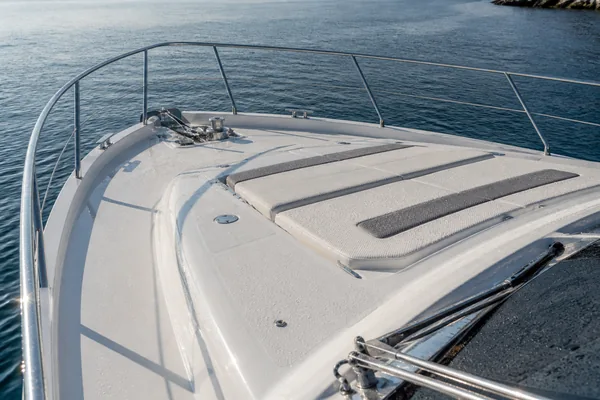
    Fresh water rinsing must be preceded by a strong degreaser to strip oils and grease from industrial soot.

  • Teak decking

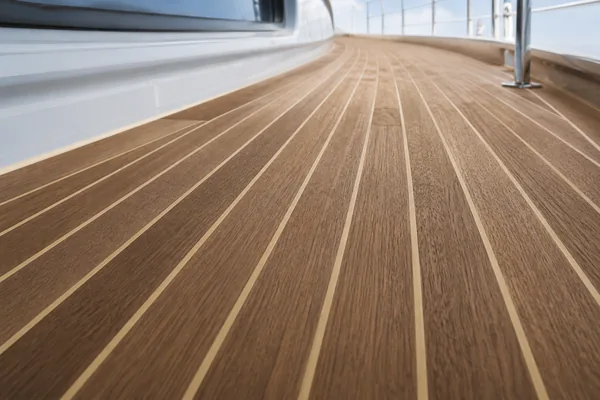
    Teak decking

    Fibreglass needs high protection from soot and sharp particles, so we clean it carefully then apply a protective coat.

  • Cabins and sleeping berths

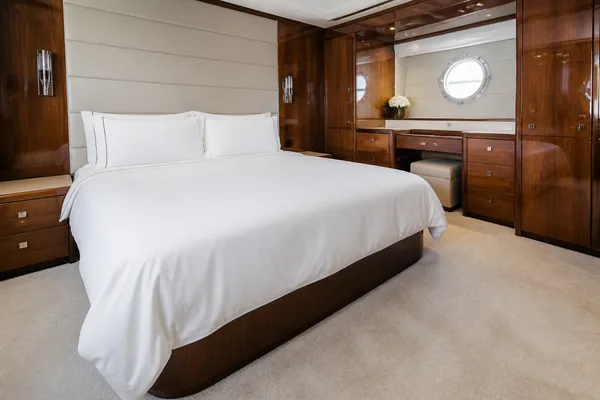
    Cabins and sleeping berths

    Cabins need aggressive ventilation because trapped soot and moisture from the residential area combine to create poor air quality quickly.

  • Galley and cooking area

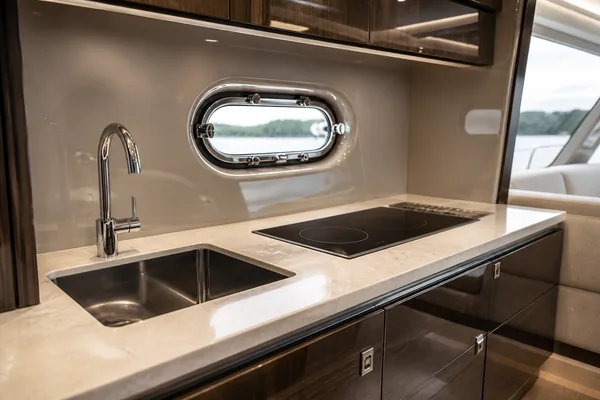
    Galley and cooking area

    The galley accumulates oils and grease from nearby workshops, needing near-daily scrubbing with degreasers.

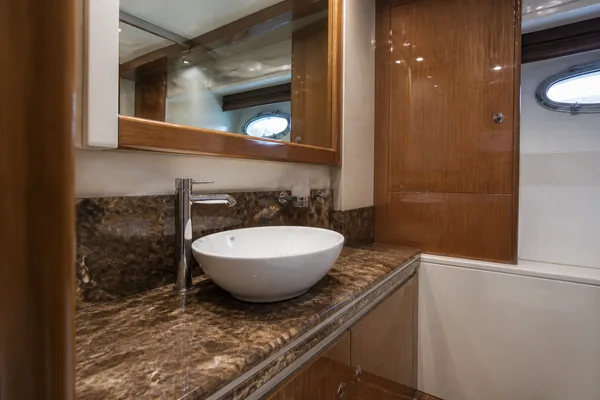
  • Onboard washroom

    Onboard washroom

    The washroom needs cleaning from oils and mildew together, plus continuous ventilation to keep air moving.

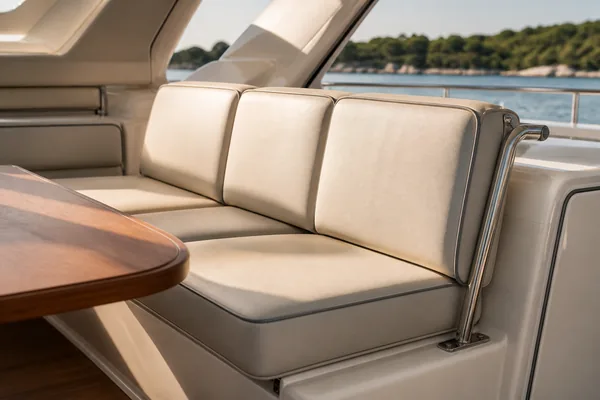
  • Seating and cushions

    Seating and cushions

    Fabrics and seating absorb soot and oils quickly here, needing frequent washing with strong industrial-strength cleaners.

Not included

  • Hull cleaning below the waterline and antifouling
  • Engine, bilge and mechanical servicing
  • Teak sanding, oiling or refinishing
  • Gelcoat polishing, buffing or restoration
  • Repairs to upholstery, fittings or fibreglass

How a yacht clean actually goes

  1. 1

    Fresh-water rinse first

    Before anything is wiped, the whole exterior is rinsed to soften and float off the salt.

  2. 2

    Wash from the top down

    Cabin top, then the sides, then the deck.

  3. 3

    Non-slip and deck scrubbed

    The textured areas worked with a brush to lift salt and sunscreen out of the grip, where a rinse leaves it behind.

  4. 4

    Glass cleared and dried

    Windows and windshields cleaned and dried so the mineral spots do not just reappear as the water evaporates.

  5. 5

    Below deck cleaned and aired

    Cabins, galley and heads wiped and floors cleaned, with hatches open and air moving to pull the damp smell out rather than seal it in.

  6. 6

    A walk-through with you

    We walk the deck and cabins with you before we step off.

The character of Kilo 14

Industrial area: workshops, warehouses and loading yards

Industrial zone means the yacht faces exceptional pressure from multiple soot types and heavy oils, requiring specialist industrial cleaning rather than ordinary residential care.

Why us for this service specifically

We clean it where it is berthed

The work is done at the marina, deck and cabins both.
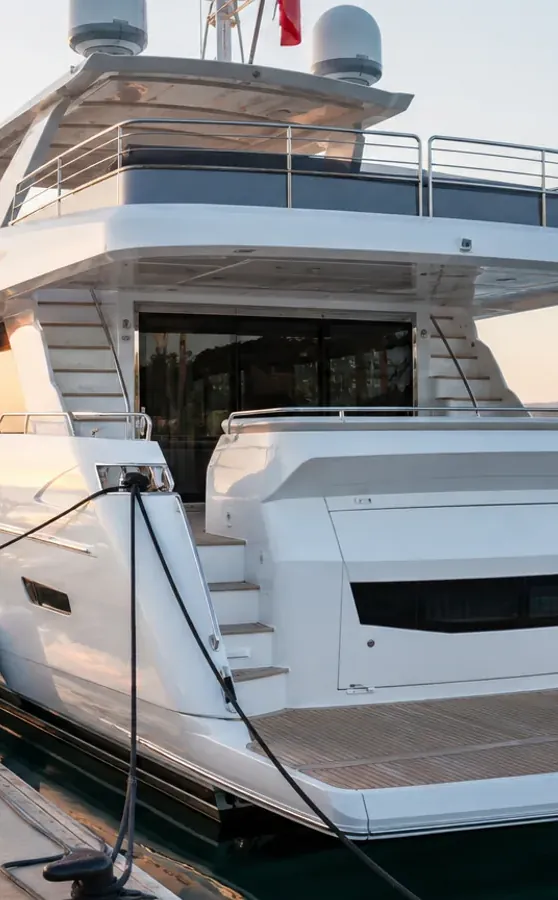
A full team comes aboard

The company runs a large workforce, and we send a team rather than one worker.

Our equipment comes with us

Machines and materials arrive with the team, not rented and not borrowed.

We say no when it is no

If what you need is gelcoat polishing or teak work rather than cleaning, we say so.

From our work

Photographs from real jobs carried out by the crew.

A bedroom after a full clean
Bedroom at handover
Majlis carpet after washing
Majlis after washing
A majlis after a full clean
Majlis after cleaning
A living room after cleaning
Living room after cleaning
A sitting room after cleaning
Sitting room
A folded towel on a table
The small details
A tidy bedroom after service
Bedroom made up
Mopping a marble floor during work
Marble floors
Washing a stone entrance
Exterior entrances
Cleaning a commercial floor
Commercial floor
Making the bed during work
Bed made
A jacuzzi after descaling
Jacuzzi after cleaning

The job does not close before you approve it

The commitment is simple enough to actually keep: we do not step off before you have seen the result and told us what you think.

What is different about South Jeddah

South Jeddah runs from the port and the industrial city down towards Al Khumrah, and homes here sit between the sea and the heavy goods roads. The dust is darker and oilier than in the north, a mix of diesel soot and workshop grit, and it clings to net curtains, window sills and the tops of kitchen cupboards. Floors in the older low rise housing are often plain cement or ceramic tile that darkens where soot is walked in. Humidity from the coast adds mildew in bathrooms and a musty smell in stored fabrics.

Questions about yacht cleaning in Kilo 14

Is soot from vehicle workshops different from diesel exhaust soot?

Yes, the mix of oils and metal particles is much harsher. It needs specialist degreasers and solvents working together.

How often per month should a yacht in an industrial zone be cleaned?

Weekly minimum, and you may need quick surface cleaning every three days for windows and visible surfaces.

Do workshop particles scratch the hull and fibreglass?

Yes very much, sharp gritty particles scratch surfaces. Scrubbing needs care and soft brushes, never aggressive scraping.

Is cleaning a yacht here harder than in normal residential districts?

Much harder, soot and oils need specialist products and equipment. Time and effort are longer than any other area.

Are the strong chemicals you use safe on marine surfaces?

Yes, we use potent but safe degreasers on wood and fibreglass. Strength is high but the formulation is safe for marine use.

Does moisture from the dense residential quarter nearby cause cabin mildew?

Yes, the dense residential area beside the workshops raises humidity. Mildew starts fast if cabins are not ventilated continuously.

Will hosing the yacht down with fresh water not do the same thing?

A rinse softens fresh salt, but a dried salt haze and set-in grime need the right materials to lift without dragging over the surface. That is the part a hose alone leaves behind, and doing it dry is what scratches the finish.

Do you handle the engine or bilge?

No. Anything mechanical, engine, bilge, systems, is outside cleaning and outside what we do. We tell you at the inspection and point you to the right person if you need it.

How much does yacht cleaning in Kilo 14 cost?

It is set after the inspection, because it follows the size of the job, the materials involved and their condition. Send photos on WhatsApp and we will give you an estimate before we reach Kilo 14.

Other services in Kilo 14

We provide these in Kilo 14 too, and more than one can share a single visit.

Yacht Cleaning in districts near Kilo 14

Need yacht cleaning in Kilo 14?

We reach Kilo 14 at a time we agree, and you get the full cost before we start.

Call WhatsApp