
We clean it where it is berthed
The work is done at the marina, deck and cabins both.
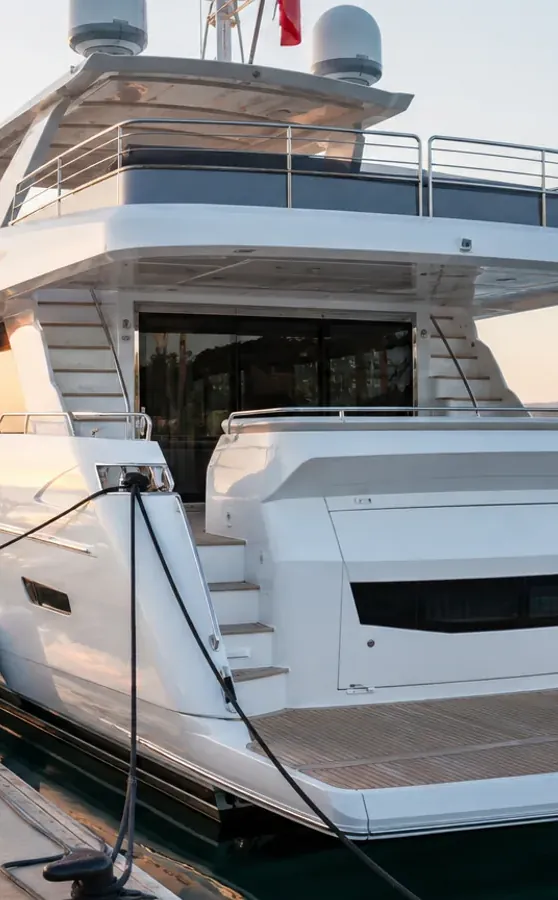
Al Karamah is a newly planned administrative district on the eastern edge of south Jeddah, yet its dust is darker and oilier than districts further north. Soot from the heavy goods roads and workshop yards clings to the yacht harder than salt alone does, requiring precise cleaning that tells the difference between one surface and the next.
Soot here penetrates even sealed cabins, and stored fabrics retain the smell of diesel and metal particles longer than areas distant from the main traffic routes. For the method itself, see our yacht cleaning service in detail.
South Jeddah dust is not simple sand, but a mix of diesel soot and workshop particles that sticks hard to fibreglass and glass. Fresh water alone cannot lift it, and the product chosen differs from cleaning in cleaner coastal areas. The soot clings to net curtains, window edges and the tops of galley cupboards, requiring a treatment step that inland areas never need.
Most mixed-use homes here have plain cement or simple ceramic floors, and soot darkens wherever feet are walked in. These surfaces need dedicated scrubbing rather than rinsing, and differ entirely from marble and porcelain in higher-grade neighbourhoods. The grain holds the grime, and a different approach is needed to avoid damage to the substrate.
Al Karamah is a mixed district with ground floor retail, so heavy wash water runoff can affect the shops below. The team must coordinate with the shopkeeper, plan drainage carefully so water does not spill onto the lower entrance, and work at times that minimise disruption to the business.
Al Karamah lies between Al Lith Road and the Middle Ring Road in a mixed industrial and commercial zone where heavy trucks pass daily to and from the port and industrial city.
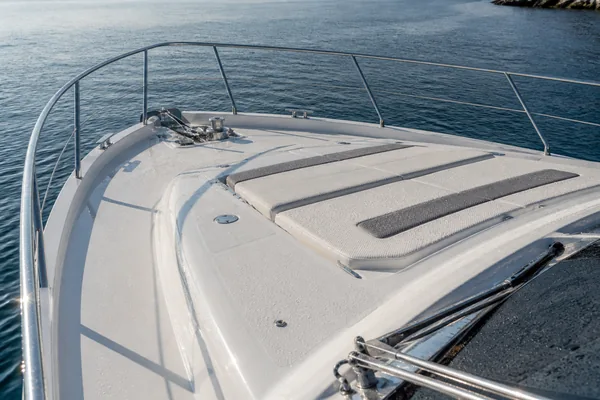
Fresh water rinsing here removes the oily soot layer first; it is not salt removal alone. The right product comes before the final rinse and makes a measurable difference to the finish.
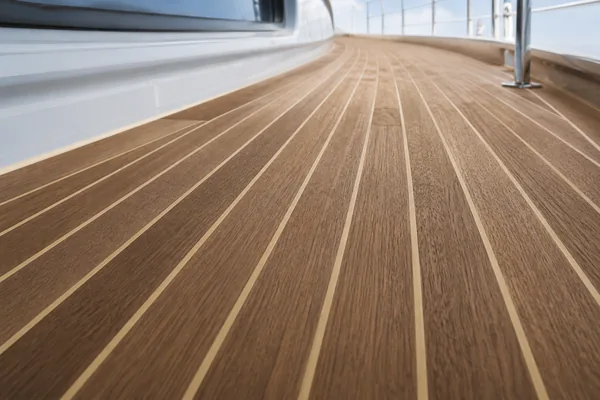
Teak and fibreglass need protection from the sticky soot; the product and method differ from cleaning the cleaner marine surfaces further north.
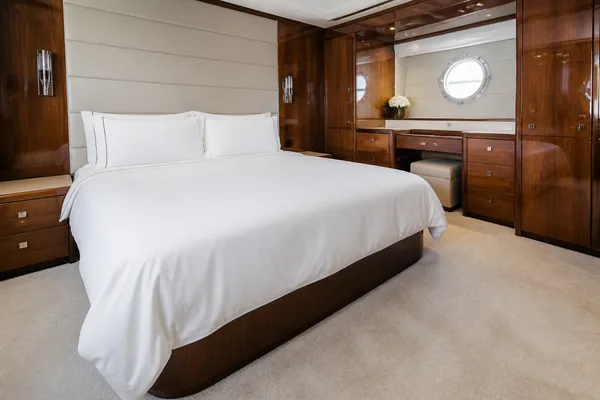
Cabins have absorbed diesel smell for months, and post-cleaning ventilation takes hours, not just opening a porthole. The smell lingers until the air circulates fully.
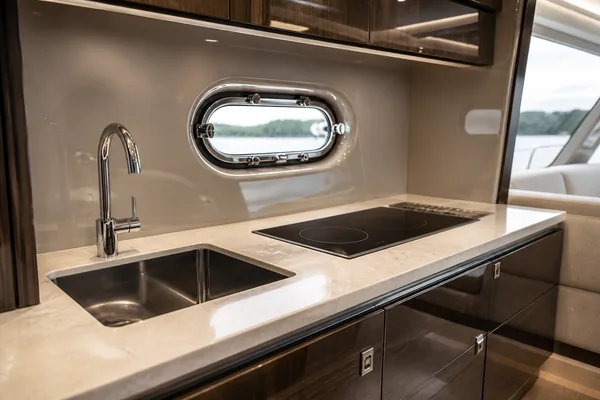
The galley is small but traps soot in corners and edges. Manual scrubbing is necessary here more than in cleaner areas, because the grit sits in the grain.
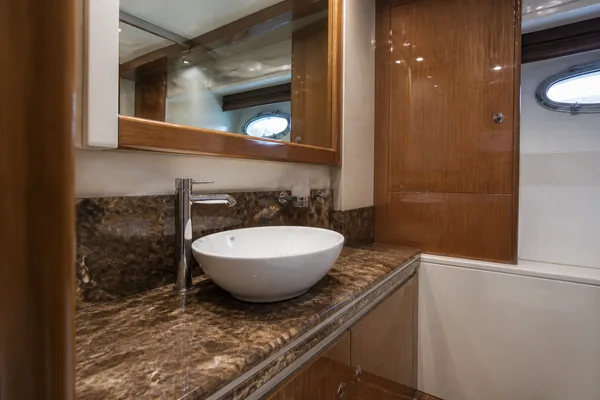
The washroom is damp from both coastal humidity and soot, so its need for full air circulation and drying is greater than inland districts.
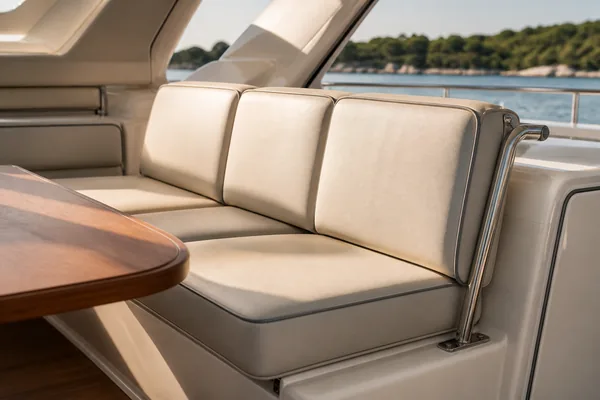
Soft furnishings here hold both dampness and a lingering odour at once. Final drying may need help from a fan or extra time to clear completely.
Before anything is wiped, the whole exterior is rinsed to soften and float off the salt.
Cabin top, then the sides, then the deck.
The textured areas worked with a brush to lift salt and sunscreen out of the grip, where a rinse leaves it behind.
Windows and windshields cleaned and dried so the mineral spots do not just reappear as the water evaporates.
Cabins, galley and heads wiped and floors cleaned, with hatches open and air moving to pull the damp smell out rather than seal it in.
We walk the deck and cabins with you before we step off.
Mixed district: shops at street level with homes above them
Shops below homes create extra coordination, drainage and access challenges. The team plans with the shopkeeper in advance, chooses times that minimise disturbance to the business, and routes water carefully so it does not run across the lower entrance.
The work is done at the marina, deck and cabins both.
The company runs a large workforce, and we send a team rather than one worker.
Machines and materials arrive with the team, not rented and not borrowed.
If what you need is gelcoat polishing or teak work rather than cleaning, we say so.
Photographs from real jobs carried out by the crew.












The commitment is simple enough to actually keep: we do not step off before you have seen the result and told us what you think.
South Jeddah runs from the port and the industrial city down towards Al Khumrah, and homes here sit between the sea and the heavy goods roads. The dust is darker and oilier than in the north, a mix of diesel soot and workshop grit, and it clings to net curtains, window sills and the tops of kitchen cupboards. Floors in the older low rise housing are often plain cement or ceramic tile that darkens where soot is walked in. Humidity from the coast adds mildew in bathrooms and a musty smell in stored fabrics.
We provide these in Al Karamah too, and more than one can share a single visit.



