
We clean it where it is berthed
The work is done at the marina, deck and cabins both.
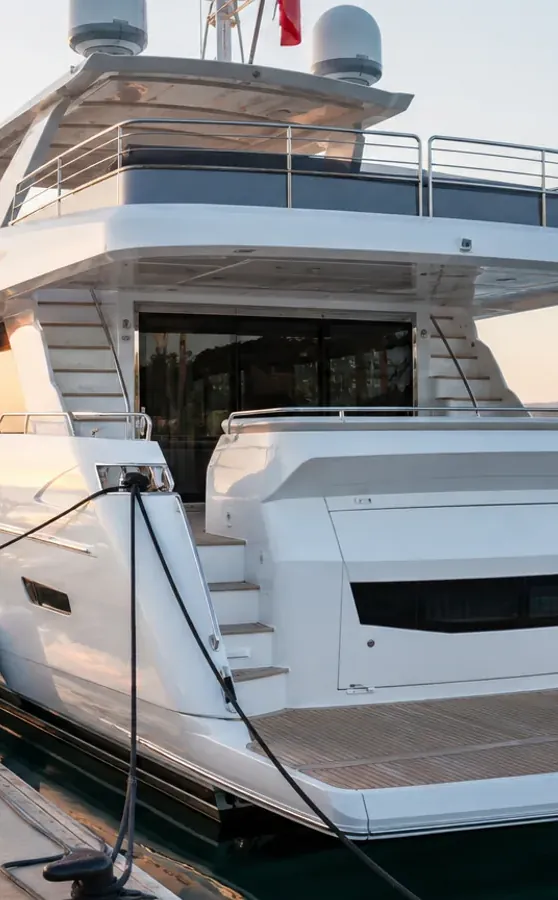
Al Quraiyat is an old quarter in south Jeddah between the port and the industrial city. The air here is not salty alone but stained with diesel soot and workshop dust. Yachts in this thick air collect salt, fine black dust and industrial grease all together. Fresh water alone is not enough; they need thorough cleaning that breaks down the layered buildup and clears the fine black that coats every surface.
Dust here is black and oily, a mix of diesel soot and grit from repair yards. Black dust does not rinse away with water; it needs brushing and time. White topsides show black spots again within weeks of cleaning. For the method itself, see our guide to yacht cleaning.
South Jeddah sits between the port and the industrial district. A yacht here carries not just sea salt but diesel soot and workshop grit. This mixture sticks to fibreglass and resists removal. Cleaning requires separating salt from soot in two different steps.
The sea is close and humidity is high, and black dust clings to the damp. Cabins and fabric hold both mildew and an oily smell. Cleaning means deep ventilation after washing.
Very old yachts here may have sun-weathered surfaces. Soot penetrates tired paint and becomes part of the surface. Removing it completely may need intensive work.
An old popular district in south Jeddah between Al Thaalibah and the Nazlah quarters, densely populated with ageing buildings, close to the port, heavy goods roads and the College of Telecommunications and Electronics.
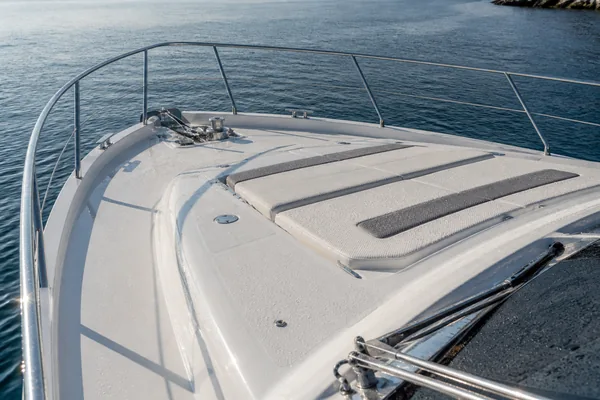
Fresh water first to clear salt, then a specialist agent to remove soot. Soft brush on teak and slightly firmer on fibreglass.
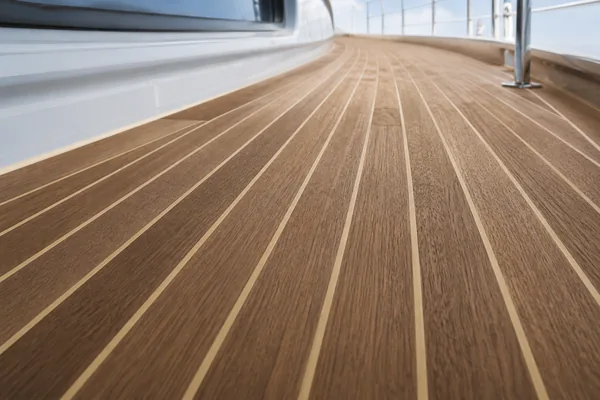
Teak is rare here but when present needs protection from soot that often coats it thicker than salt does.
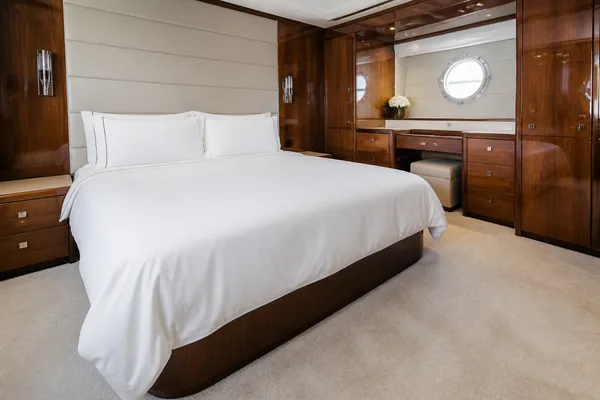
Cabins need deep and long ventilation. Humidity and soot together create stubborn odour.
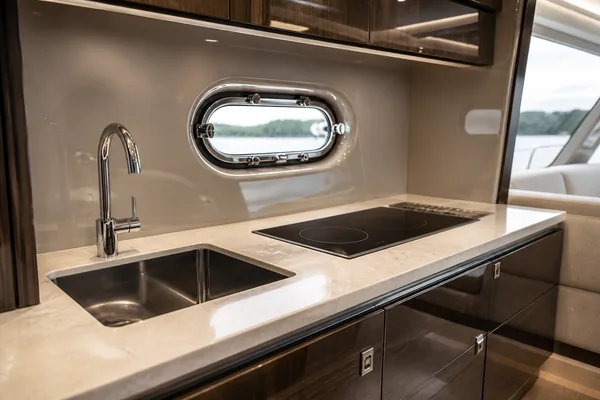
The galley collects salt, soot and cooking grease all at once. Cleaning demands intensive hands-on work around every fitting.
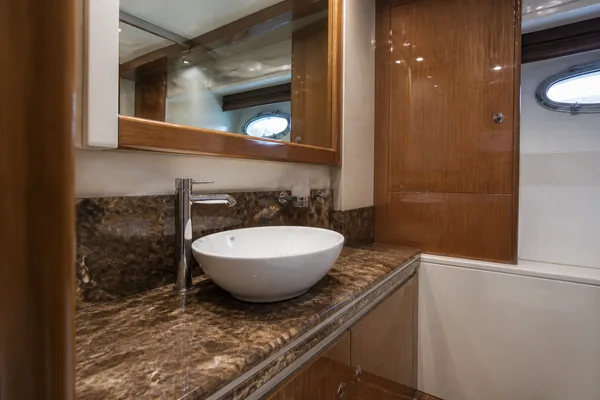
The head suffers humidity and soot. Scale appears alongside the fine black dust.
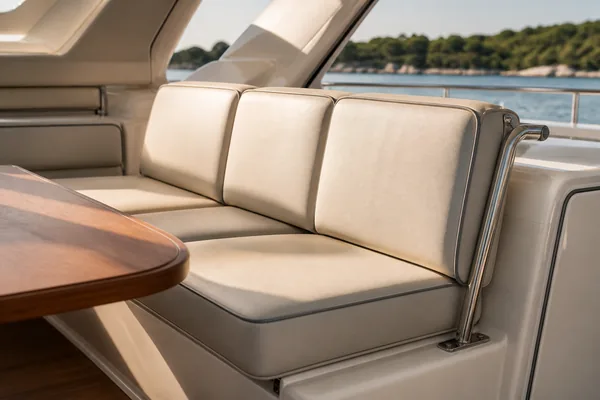
Curtains and cushions trap soot and oil. Washing or removing them before cleaning is necessary.
Before anything is wiped, the whole exterior is rinsed to soften and float off the salt.
Cabin top, then the sides, then the deck.
The textured areas worked with a brush to lift salt and sunscreen out of the grip, where a rinse leaves it behind.
Windows and windshields cleaned and dried so the mineral spots do not just reappear as the water evaporates.
Cabins, galley and heads wiped and floors cleaned, with hatches open and air moving to pull the damp smell out rather than seal it in.
We walk the deck and cabins with you before we step off.
Yachts in Al Quraiyat lie between the College of Telecommunications and Electronics to the east and the industrial city to the west, reached via King Khalid Road or Al Falah Road from the north.
The work is done at the marina, deck and cabins both.
The company runs a large workforce, and we send a team rather than one worker.
Machines and materials arrive with the team, not rented and not borrowed.
If what you need is gelcoat polishing or teak work rather than cleaning, we say so.
Photographs from real jobs carried out by the crew.












The commitment is simple enough to actually keep: we do not step off before you have seen the result and told us what you think.
South Jeddah runs from the port and the industrial city down towards Al Khumrah, and homes here sit between the sea and the heavy goods roads. The dust is darker and oilier than in the north, a mix of diesel soot and workshop grit, and it clings to net curtains, window sills and the tops of kitchen cupboards. Floors in the older low rise housing are often plain cement or ceramic tile that darkens where soot is walked in. Humidity from the coast adds mildew in bathrooms and a musty smell in stored fabrics.
We provide these in Al Quraiyat too, and more than one can share a single visit.



