
We clean it where it is berthed
The work is done at the marina, deck and cabins both.
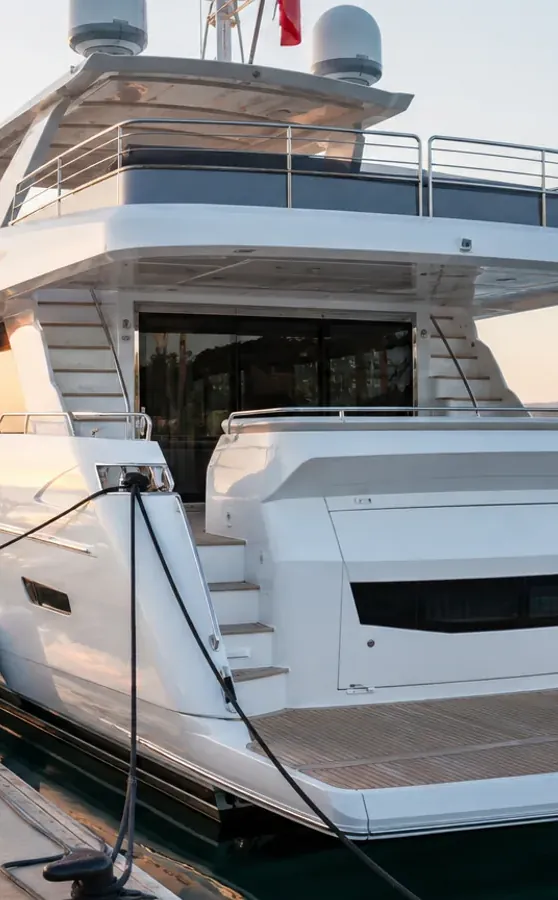
Al Corniche is where fine yachts sit on the Red Sea itself, and salt works on every surface whether the boat moves or stays moored. The sea air leaves a film on the hull and glass that clouds by the next day, and closed cabins below deck trap the salt-heavy humidity that turns into mildew smell fast.
Salt returns to exposed surfaces within a day here, especially on teak and glass, even when the sea is calm and the air seems dry. For the method itself, see what yacht cleaning involves.
Seawater rinse adds salt to the hull, not removes it. Fresh water is what actually strips salt from the exterior surfaces, glass and metal fittings. Teak and aluminium need fresh water to become clean again, not salt spray.
Closed cabins trap the salt-laden sea air and it turns into mildew smell and stains on fabrics within hours. Salt air seeps through every gap and leaves a layer on stored cushions and canvas.
Salt deposits on the glass and leaves it milky and dull by morning in the Corniche. Metal fittings and brass rust fast when exposed to salt spray without prompt fresh-water rinse and dry.
The open Red Sea waterfront means high humidity all year round and salt air that penetrates every material and fitting. Salt does not wash off with seawater: only fresh water actually removes it from the surfaces.
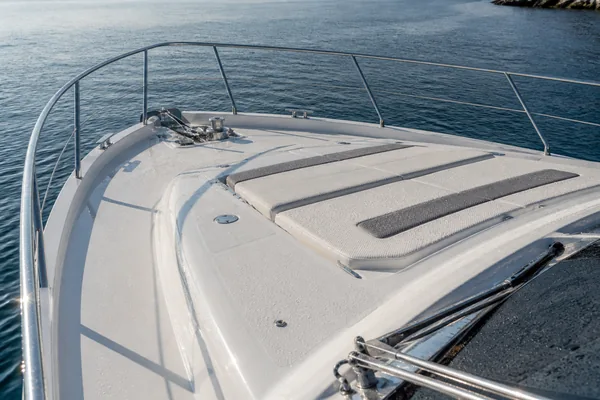
Seawater deposits more salt rather than removing it, so we rinse the hull, glass and metal with fresh water to strip away the salt layer completely.
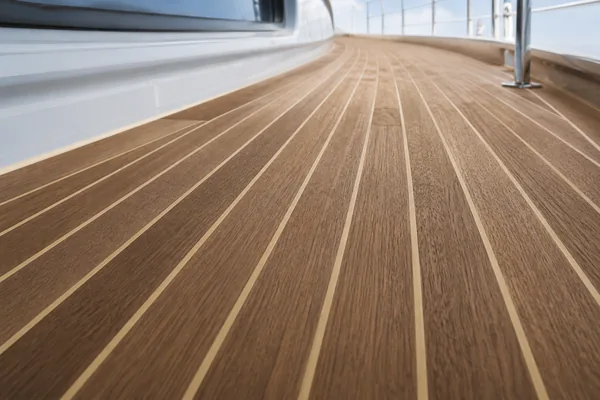
Teak on the deck is soft wood underneath the salt crust and needs fresh water only, never abrasives or scrub brushes that dig in.
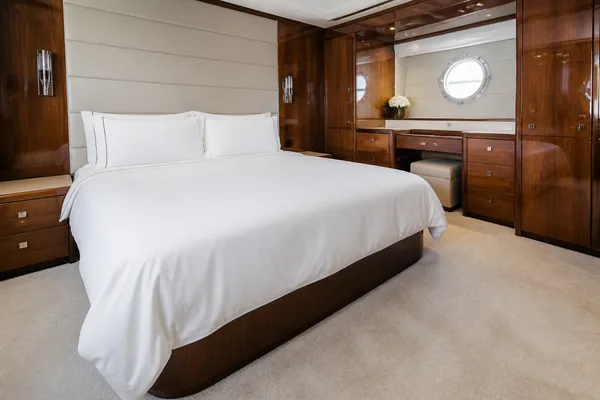
Cabins trap salt-heavy sea air and turn stored cushions and canvas into breeding grounds for mildew, so we air them and clean them thoroughly.
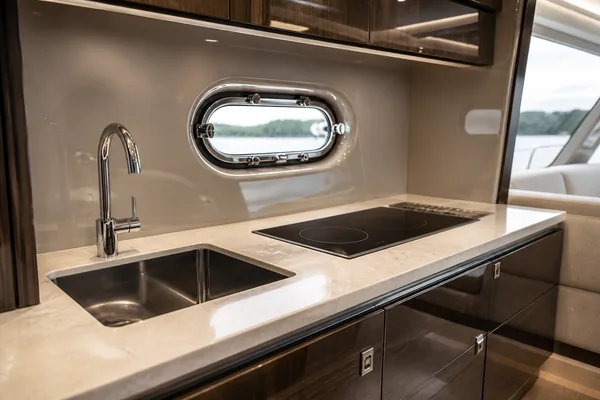
The galley on a yacht collects both cooking moisture and salt air, making it thick and sticky, so we rinse it with fresh water and leave it dry.
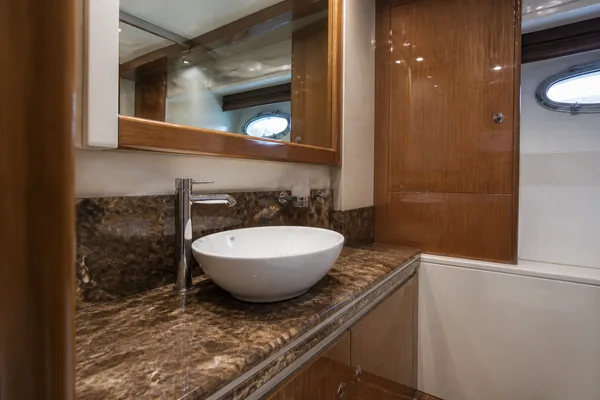
The onboard washroom is small and holds very high humidity, breeding mildew on every surface, so we scrub and dry it completely.
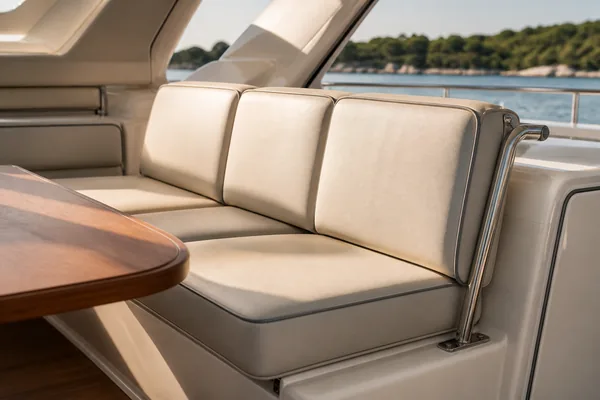
Curtains and cushion covers soak up salt air and emit that musty smell, so we wash them by hand according to their fabric type.
Before anything is wiped, the whole exterior is rinsed to soften and float off the salt.
Cabin top, then the sides, then the deck.
The textured areas worked with a brush to lift salt and sunscreen out of the grip, where a rinse leaves it behind.
Windows and windshields cleaned and dried so the mineral spots do not just reappear as the water evaporates.
Cabins, galley and heads wiped and floors cleaned, with hatches open and air moving to pull the damp smell out rather than seal it in.
We walk the deck and cabins with you before we step off.
The work is done at the marina, deck and cabins both.
The company runs a large workforce, and we send a team rather than one worker.
Machines and materials arrive with the team, not rented and not borrowed.
If what you need is gelcoat polishing or teak work rather than cleaning, we say so.
Photographs from real jobs carried out by the crew.












The commitment is simple enough to actually keep: we do not step off before you have seen the result and told us what you think.
Coastal area: high humidity and salt air through the year
A coastal location means relentless humidity and salt that never stops working. A quick wipe is not enough here. We need full fresh-water rinsing and careful drying to prevent mildew in the cabins and fabrics.
We provide these in Al Corniche too, and more than one can share a single visit.



