
We clean it where it is berthed
The work is done at the marina, deck and cabins both.
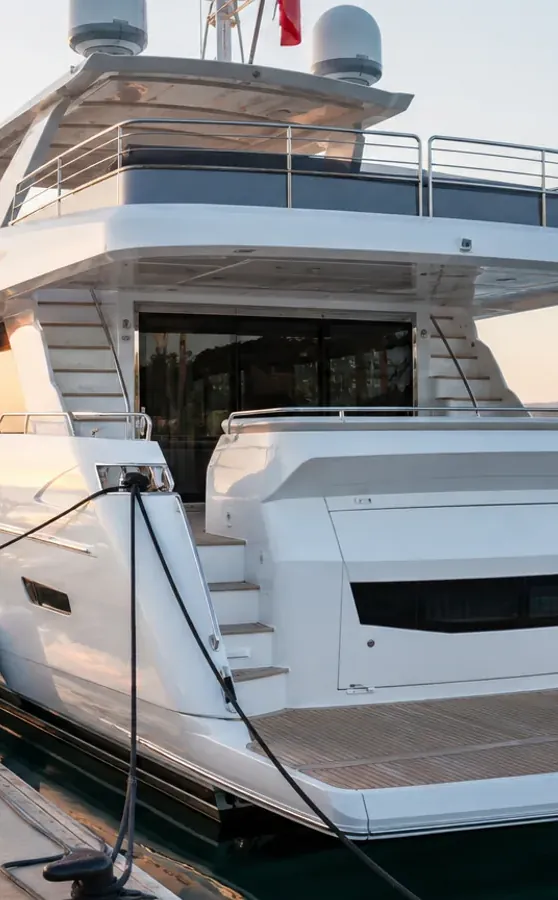
Al Baghdadiyah West sits by the corniche and lagoon, where salt air works on every exposed surface year round. A yacht here faces salt that redeposits within hours of any rinse, and humidity trapped in closed cabins breeds smell and mildew. Cleaning a yacht means removing salt, not just pushing it around with seawater.
Salt air leaves a fine grey film on glass and metal between rinses, even when the yacht is moored, so the routine demands fresh water and quick drying every time. For the method itself, see how we approach yacht cleaning.
Gulf salt air dries on every brass, chrome and steel fitting before sunset, leaving a fine white crust that hardens fast. Fresh water alone dissolves it; seawater adds to it. Fiberglass and teak need entirely different treatment, handled on site once the extent is clear.
Sealed cabins in this coastal district hold moisture from dusk to dawn, and smell embeds itself in bedding and curtains. Cabin air circulation and dry wiping before wash prevent mildew from taking root in fabrics that stay damp longer than they should.
Cushions, rugs and curtains in outdoor seating zones absorb salt spray and grow heavy and damp. Fresh water wash removes the salt, but quick drying afterward is essential or the fabric will smell like low tide by morning.
The district lies on low coastal ground between Madinah Road and the Port Bridge, a short distance from Al Hamra Corniche, historic Jeddah and the Arbaeen Lagoon.
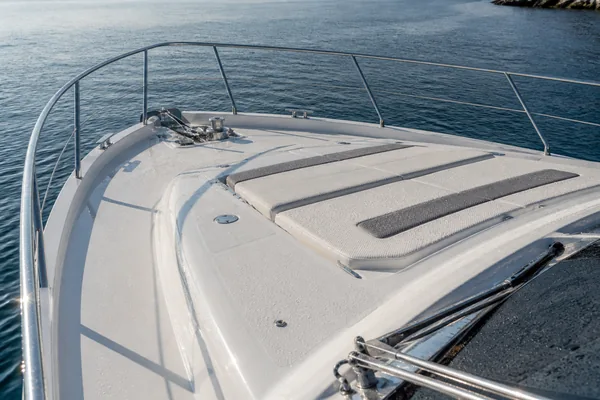
Fresh water rinse on Al Baghdadiyah exteriors removes salt that deposits every night from the Gulf air onto every fitting, surface and join.
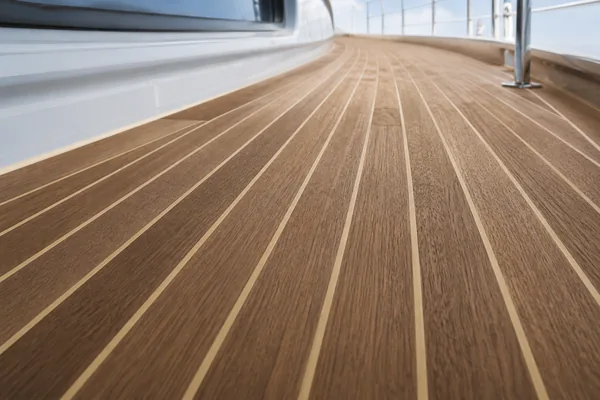
Teak decking needs deeper cleaning than fiberglass because it absorbs both salt and moisture; we clean with the grain and check for any soft spots that hint at trapped water.
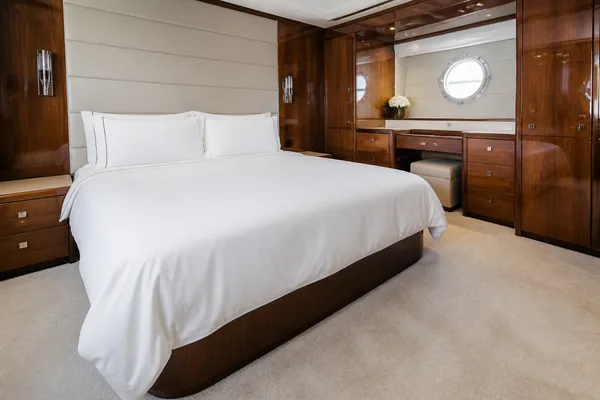
Cabins are aired first before wash to reduce humidity, then wiped with a damp cloth and safe product, and dried quickly to prevent mildew settling in during storage.
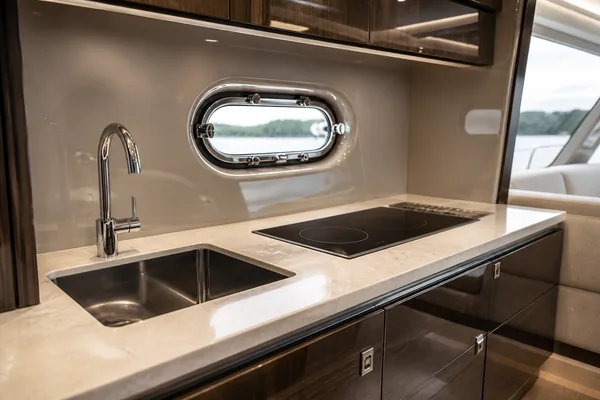
The galley and cooking area contain lime deposits from old seawater use; we remove them with a product safe on metal that will not corrode brass or fittings.
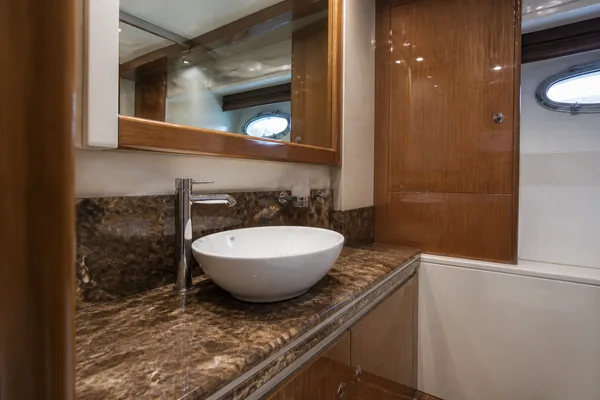
The onboard washroom holds high humidity and needs careful cleaning and drying to prevent mildew and odour returning within days of our leaving.
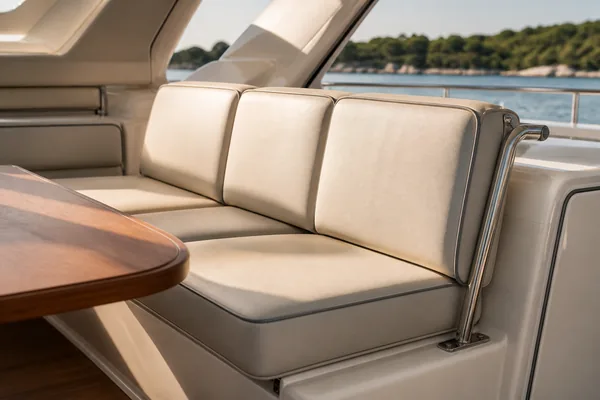
Seating and cushions absorb salt from sea spray; we wash them in fresh water and dry them in direct sun to ensure salt and moisture are both gone.
Before anything is wiped, the whole exterior is rinsed to soften and float off the salt.
Cabin top, then the sides, then the deck.
The textured areas worked with a brush to lift salt and sunscreen out of the grip, where a rinse leaves it behind.
Windows and windshields cleaned and dried so the mineral spots do not just reappear as the water evaporates.
Cabins, galley and heads wiped and floors cleaned, with hatches open and air moving to pull the damp smell out rather than seal it in.
We walk the deck and cabins with you before we step off.
Coastal area: high humidity and salt air through the year
High humidity and constant salt mean cabins need real drying, not cosmetic cleaning. We focus on cabin air circulation and complete humidity removal before we leave, or the smell will return.
The work is done at the marina, deck and cabins both.
The company runs a large workforce, and we send a team rather than one worker.
Machines and materials arrive with the team, not rented and not borrowed.
If what you need is gelcoat polishing or teak work rather than cleaning, we say so.
Photographs from real jobs carried out by the crew.












The commitment is simple enough to actually keep: we do not step off before you have seen the result and told us what you think.
Al Hamra Corniche and Arbaeen Lagoon frame the district, and yachts here are never far from the salt water that touches every inch of them. We route our arrival via Madinah Road where the main berths cluster.
We provide these in Al Baghdadiyah West too, and more than one can share a single visit.



